Niger State is a region blessed with rich agricultural resources, abundant natural landscapes, and a strategic geographical location and it is steadily carving out a reputation as a significant economic hub in Nigeria. The state’s economy has traditionally been anchored on agriculture, but there is a growing emphasis on diversifying into other sectors such as small and medium enterprises (SMEs), technology, and services. Recognizing the potential for economic growth and the importance of entrepreneurship, the current government has set a clear agenda aimed at fostering a vibrant, inclusive, and sustainable economy. This is government has shown through the creation of Ministry for Micro, Small and Medium Scale Enterprises in the State.
The Small Business Big Doings (SBBD), an initiative of Paritie Innovation Hub plays a crucial role in this economic vision. By providing a platform for small business owners to gain valuable insights, network, and develop practical skills, the SBBD initiative supports the state’s goal of creating a robust and sustainable business ecosystem. It’s workshops and masterclasses are not just events; they are a catalyst for economic transformation, empowering local entrepreneurs to overcome challenges and seize opportunities, ultimately contributing to the economic prosperity of Niger State.
The Small Business Big Doings (SBBD) 2.0 is the second part of the sequential workshop event which first took place on the 1st July 2024. The second edition of the workshop (SBBD 2.0) took place on the 18th of July 2024 at Paritie innovation Hub workspace.
The workshop brought together business owners, majorly from Minna, who are involved in various entrepreneurial activities in the state as participants. We also had speakers with experience in business, government, social media and content creation grace the workshop to encourage and give participants the opportunity to learn and gain insight on strategic ways to promote their business, access funding from government and surmount business challenges. The sessions handled by the speakers covered these topics:
Leveraging Social Media for Lead Generation and Revenue Growth – Abubakar Buba (Creative Director of Paritie Studios)
How to Access Funding from Government – Mr. Shehu Bawa Bwari (Coordintator of Entrepreneurship, Niger State Ministry for MSMEs)
Challenges of Doing Business in Niger State and How to Overcome Them – Hajiya Rahma Salihu Ndaliman (Chief executive officer of Royal Events and Galleria Kids Plus).
SBBD Workshop 2.0 – Speakers
Highlights of the workshop were question and answer sessions with speakers. Participants asked questions bordering on leveraging social media for business growth, challenges faced by business owners in Niger State and funding opportunities available for business owners to benefit from. There was also mood board activity where participants were paired into three groups and given a task to come up with a business idea and analyze the business using SWOT Analysis. The Mood Board activity was an avenue for participants to display teamwork, innovation and bond well.
There was also presentation of certificate to participants. The workshop came to an end after Syed Abdullahi, the Human Resource Manager for Paritie Innovation Hub, gave words of appreciation and urged the participants to register for the upcoming SBBD Masterclass which will hold from 2nd to 4th of September 2024. It was indeed a wonderful workshop for the participants, going by the feedback gotten from participants especially on social media.
One technology trend that has gained significant attention in recent years is the evolution of artificial intelligence (AI). Its disruptive nature offers immense potential across various applications, particularly in transforming customer experience (CX).
Businesses increasingly recognize the importance of excellent customer experience for their success, prompting them to integrate AI to deliver intelligent, convenient, and informed customer experience throughout the customer journey. According to a prediction by IDC (International Data Corporation), by 2026, 60% of digital transformation initiatives will rely on cognitive computing or AI. Additionally, another study forecasts that by 2030, 95% of customer interactions will be managed without human involvement.
The immense potential of AI stems from its ability to analyze and process vast amounts of data from various sources, including human behaviors and emotions, which helps create more meaningful customer experiences.
We are already seeing AI’s impact across numerous industries. Examples like Tesla’s autonomous vehicles, Google’s personal assistant Siri, and Amazon’s Alexa/Echo illustrate how AI can transform every facet of our modern lives.
For businesses to successfully integrate AI into customer experience, they require three essential capabilities: data unification, real-time insights, and business interaction.
Here is how AI has improve customer experience for better
AI
Enhanced customer experience with chatbots and AI-powered virtual assistants
AI can significantly enhance customer experience by making it automated, fast, and hassle-free. Chatbots, for instance, are AI-driven virtual tools designed for various customer engagement scenarios. They simulate human interactions and deliver immediate, personalized responses.
This technology effectively eliminates unnecessary delays and errors in customer service, particularly when addressing complaints. By automating responses to customer inquiries, companies can reduce training time for service representatives and save costs associated with repetitive queries.
Additionally, AI-powered virtual assistants enable businesses to distribute content more effectively across different channels, ensuring it reaches the right audience. For example, Facebook’s Messenger Bot assists shoppers in finding what they need through simple conversations. Combined with machine learning, AI can enhance client interactions and facilitate lead-generating marketing strategies to boost profitability. It can identify promising leads and ensure that potential customers are targeted on the appropriate platforms.
Predictive personalization
Predictive personalization involves the ability to anticipate user actions based on their past behaviors. Today, AI leverages predictive personalization to enhance customer experience by seamlessly integrating it into consumers’ daily lives. This AI-driven approach makes customers feel that every product or brand interaction is customized just for them.
Predictive personalization is especially valuable in online shopping, where data gathered from consumer behavior during online sessions is analyzed. This includes metrics such as time spent on sites, pages viewed, items purchased, forms completed, and searches conducted.
By analyzing this data, businesses can evaluate individual shopper needs, recommend suitable products, and facilitate home delivery. As a result, AI-enhanced processes will create smoother and more streamlined customer interactions across multiple channels.
AI-enabled analytics for crucial customer insights
AI can significantly enhance companies’ ability to generate actionable insights by integrating intelligence into CRM, marketing automation, and other essential operational tools. This technology helps improve customer engagement and empowers employees to make informed decisions.
Companies can utilize tools like facial recognition software, text analytics, and machine learning to understand customer perceptions, identify the right messaging, and communicate it in real-time. AI-driven customer journey analytics can analyze vast and complex datasets, uncovering numerous business opportunities.
Visual, voice and text engagements
Visual engagement, combined with voice and text sentiment analysis, enables companies to assess emotions and sentiments across various communications. AI-driven visual engagement technology analyzes facial expressions during in-person and video chat interactions.
This enhanced processing utilizes voice biometrics and the nuances of vocal tone and modulation during phone calls to understand emotions. With these AI algorithms, companies can effectively route communications and gauge customer satisfaction. This approach helps foster positive sentiments, ultimately enhancing customer lifetime value and driving repeat business for increased profitability.
Significant Change in decision making
The effectiveness of AI will be evaluated through practical metrics such as return on investment, new market opportunities, and diseases cured. These achievements will stem from a fundamental shift in decision-making.
The combination of big data, AI, and machine learning has established a new standard for decision-making metrics. It is increasingly recognized that decisions should not rely solely on intuition; they must be grounded in data. Whether it’s product reviews or customer service processes, AI empowers businesses to make informed choices. Sectors like healthcare, financial services, and automotive are experiencing a significant transformation in their decision-making strategies.
Recently, PwC, a leading audit and tax consulting firm, aggregated extensive data from the US Census Bureau, US financial data, and other publicly licensed sources to develop a comprehensive model for the financial decision-making of 320 million American consumers.
In the automotive industry, various AI applications have been created, spanning from vehicle design to marketing and sales decision support. AI modeling and simulation offer valuable insights into evolving consumer behavior, which is essential for making informed marketing decisions both in the short and long term.
Conclusion
Artificial Intelligence is here to stay, with endless future possibilities. Businesses recognize that AI-driven customer journey analytics will be essential for delivering impactful customer experiences quickly and efficiently.
When brainstorming a name for your new startup, choosing the best one can be challenging, especially if you’re initially attached to a particular name. You may have several ideas, each viable but none feeling like the ideal fit. When naming a business, relying solely on initial emotional attachment isn’t the most effective approach.
To find the perfect name, step back and consider the purpose of a business name. It should function as a tool that enhances your business and meets logical criteria to support your brand effectively. The following guidelines should help your name serve as a powerful marketing and branding tool.
While emotions are subjective, it’s advisable to choose your business name based on how well it aligns with your established naming criteria. Therefore, it’s essential to define a standard set of naming criteria before starting to brainstorm business name ideas. Ensure that your business name meets the following standards:
Select a brand name that is easy to pronounce
A strong brand name facilitates easier referrals. If your brand name isn’t memorable, loyal customers might hesitate to share it with others. Names that are challenging to pronounce or remember decrease the likelihood of being shared. Tip: If your brand name doesn’t pass the “crowded bar test,” consider choosing a different name.
Select a brand name that is easy to spell
An excessively complex spelling in your business name can hinder your audience’s ability to find you online. If customers rely on memory alone to search for your blog or website, they may struggle to locate you if your brand name is hard to spell. This could potentially result in lost sales, as a confusing name can create barriers to customer engagement.
Select a brand name that is hard to forget
Selecting a memorable business name enables potential customers to easily remember your brand when they want to learn more after hearing about it. This also facilitates referrals and contributes to increased repeat business.
Likeability
A business name that is embarrassing or cringeworthy could impede your future success. Ensure to thoroughly check for any hidden meanings, awkward sounds, or unfavorable translations of your brand name that could lead to a PR disaster.
Availability
Remember that a name you’re deeply attached to might already be in use. Your top choice may not be available due to trademark restrictions. If this occurs, be prepared to move down your list of alternative brand names. It’s crucial not to become overly fixated on a single name initially.
Problems with having a poor brand name
Having a poor brand name can lead to several potential issues for your business. Primarily, it can adversely affect your sales and revenue as potential customers may be deterred by a brand name they perceive as unprofessional or unappealing. Additionally, a bad brand name can harm your company’s reputation and hinder efforts to build consumer trust. Moreover, it can impede your company’s ability to expand its reach and attract new customers.
In summary, a bad brand name can bring about various negative consequences. To mitigate these risks, it’s crucial to invest time in choosing a name that resonates positively with your target audience and enhances your business’s reputation.
As you continue brainstorming business name ideas and narrowing down your options, consider how well each aligns with the criteria you’ve outlined. It’s okay if a name doesn’t immediately captivate you; sometimes, it takes time to realize how well it fits your brand.
Once you’ve trimmed your list to four or five names, it’s time to test them with your target audience for feedback. You might discover that a name you personally adore doesn’t resonate well with your audience during this testing phase. Such feedback is invaluable in making the final decision on your business name.
Ultimately, emotional attachment to a name can cloud judgment. While it’s natural to love what a name can do for your business, focus on how it will support your launch rather than solely on personal preferences.
Customer reviews are now integral to both the buyer’s journey and brand awareness efforts. Forbes highlights that positive reviews and testimonials play a crucial role in enhancing brand trust and credibility. They serve as social proof of a business fulfilling its commitments, showcasing authentic customer experiences and instilling confidence in prospective buyers. This article outlines eight effective strategies for utilizing customer reviews to enhance brand visibility and trust. By implementing these tactics, you can effectively showcase your reputation. Let’s delve into these strategies!
Here Are 8 Ways You Can Boost Your Brand Awareness With Customer Reviews
Here Are 8 Ways You Can Boost Your Brand Awareness With Customer Reviews
1. Include Reviews to Website Pages
A highly effective method for utilizing customer reviews to boost brand awareness is by prominently displaying them on critical website pages. This practice not only offers social proof but also fosters trust among visitors. Key pages ideal for showcasing customer reviews include:
Homepage: Feature a testimonial slider or reviews widget to showcase your brand’s satisfied customers. This offers immediate social proof when visitors first land on your site.
Pricing or product pages: Reviews help address customer concerns about value or quality. Include relevant reviews on pricing pages or next to product descriptions. You can also add short review snippets to your checkout page to help customers feel better about buying.
Dedicated testimonial or review page: Create a page showcasing all your best customer reviews. Link to this from navigation menus to make it easy to find.
Highlighting customer reviews on pages that receive high traffic enhances your brand’s image and credibility, showcasing genuine customer endorsements to visitors.
2. Create Social Feeds
A practical method to highlight and incorporate reviews on your website is through a social feed plugin. A social feed presents a visually appealing stream of social media posts directly embedded into your site, showcasing your own content, specific posts, and contributions from various social platforms or your audience. This integration simplifies the display of customer reviews, providing a dynamic impression that credits the original creators. Additionally, there are tools available to seamlessly aggregate real social media reviews onto a single page without manual input. Integrating social media reviews into your site effectively enhances conversions and sales through compelling social proof.
3. Feature in Emails and Newsletters
Incorporating curated customer reviews into email newsletters and drip campaigns effectively presents social proof directly to your subscribers’ inboxes. Rather than dedicating an entire email to reviews, strategically insert one or two highly positive and detailed reviews (along with ratings) into your regular newsletters. It’s essential to be selective and purposeful, choosing reviews that closely relate to the email’s topic or highlighted offer. These reviews can be presented in a callout box, text block, or linked for visibility.
For instance, you might feature a glowing review of a newly launched product in an email announcing its availability, or include a customer service accolade in a drip campaign focused on service offerings. Utilizing visual elements such as the customer’s name, photo, rating, or pull quote can effectively draw attention to the reviews, ensuring they complement rather than overshadow the email’s primary content or overwhelm subscribers. By showcasing authentic customer stories and experiences in this manner, emails can strengthen trust and foster stronger relationships with your target audience.
4. Share on Social Media
Social media offers an excellent platform for disseminating customer reviews and testimonials, enabling you to demonstrate social proof and bolster credibility among your audience. Integrating reviews into your social media content strategy is crucial.
Schedule snippets and quotes from positive customer reviews across all your social media platforms using a content calendar tool. Enhance your content distribution strategy by sharing reviews on platforms like Facebook, Instagram, Twitter, LinkedIn, and more.
For instance, you can feature a compelling one-liner from a five-star review as a caption alongside an engaging image on Instagram, or showcase a brief video testimonial from a satisfied customer on Facebook. Additionally, leverage user-generated content by reposting customer photos featuring your product, ensuring to obtain permission and provide proper credit. This practice authentically showcases real customers enjoying your brand.
5. Create Review-Focused Advertisements
A compelling approach to harnessing your customer reviews is transforming them into advertisements, showcasing authentic customer experiences to potential new buyers. Begin by selecting some of your most enthusiastic and favorable reviews, focusing on those that highlight specific benefits of your product or service. Incorporate an excerpt from these reviews alongside a relevant image or video to craft an ad.
For instance, imagine an outdoor equipment company featuring a review praising the lightweight and durability of their backpack. They can integrate this review text with an image showcasing the backpack in an ad, emphasizing these key qualities.
This paid promotion strategy enhances credibility as prospective customers perceive reviews as more genuine and trustworthy compared to traditional ads. By presenting authentic customer perspectives, these ads are more likely to engage and convert viewers.
6. Add Reviews to Packaging
An innovative yet underutilized concept involves integrating customer reviews into product packaging. Consider attaching tags featuring review snippets directly onto product packages. By printing select positive customer reviews on packaging, you effectively provide potential customers with recommendations as they assess purchases in-store or upon delivery.
When selecting reviews for packaging, opt for concise and impactful ones that highlight the most compelling product benefits. Periodically rotate different reviews to present diverse perspectives. Thoughtfully curated product reviews printed on packaging significantly contribute to building credibility and boosting sales. Moreover, they infuse a human touch that resonates positively with consumers.
7. Highlight in Your Sales Materials
Here’s a valuable tip for your sales team: integrate customer reviews into sales materials such as sales decks, brochures, flyers, and more. Including positive customer reviews in these materials serves as social proof and enhances trust with potential new customers.
When developing sales materials, consider incorporating a section titled “Testimonials” or “What Our Customers Are Saying” that showcases positive customer quotes and stories. These can be sourced directly from online review platforms or collected testimonials. Highlight the most relevant and enthusiastic reviews from your ideal customer profiles.
Visual elements like logos, star ratings, and graphs illustrating your average rating can reinforce the impact. It’s essential to ensure that the feedback displayed is genuine and accurately represents your review scores.
To streamline access, integrate reviews into your sales enablement platform so that your sales team can easily retrieve and integrate them into their communications and outreach efforts. This approach enhances the effectiveness of your sales collateral and strengthens customer confidence.
8. Prompt for Reviews
To effectively harness customer feedback, proactive engagement is key. Simply asking for reviews periodically is crucial, as it’s an active process.
Ideally, prompt customers to leave reviews at moments when they are likely to provide positive feedback. The optimal times include immediately after a purchase or service interaction, when their experience is still fresh in their minds. You can politely request feedback via email or text during this window.
Additionally, follow up a few days or weeks later, once customers have had time to experience your product or service. Check in to ensure satisfaction and kindly request their review once again.
To boost response rates, consider offering a small incentive, such as a discount on their next purchase. However, it’s important to avoid directly paying for reviews, as this violates review platform policies. The aim is to express gratitude rather than manipulate ratings. By timing your requests thoughtfully and approaching customers respectfully, you can encourage more happy customers to share their experiences.
Conclusion
Strategically leveraging customer reviews can significantly enhance brand awareness. By applying the discussed strategies, you can effectively highlight your reputation and amplify visibility.
Customer reviews represent a valuable and cost-effective asset for increasing awareness. Take proactive steps to collect reviews and prominently display them across various channels. The more exposure your reviews receive, the greater the impact on elevating your brand.
Begin by implementing one or two new review strategies today to establish familiarity and trust with potential customers. Consistently promoting reviews will compound these benefits over time. Take action now to cultivate your brand with the power of customer feedback!
The startup ecosystem is marked by its dynamic and unpredictable nature. As a founder or entrepreneur, you’re consistently maneuvering through a terrain where change reigns supreme. Securing the endurance and prosperity of your startup necessitates future-proofing. Future-proofing involves implementing preemptive strategies to adjust to shifting market dynamics, technological progressions, and evolving customer tastes. In this piece, we’ll delve into a thorough manual on future-proofing your startup.
Here Is A Step By Step Guide On How To Future-Proof Your Startup
One of the primary drivers of change in today’s business landscape is technology. To future-proof your startup, it’s crucial to not only stay abreast of technological advancements but also to embrace and leverage them for your benefit. Consider these steps:
Invest in Continuous Learning: Foster a culture of continuous learning within your organization. Encourage your team to attend workshops, seminars, and online courses to stay updated with the latest technologies relevant to your industry.
Implement Tech-Driven Solutions:Integrate cutting-edge technology into your products, services, and operations. Whether it’s AI, blockchain, IoT, or data analytics, identify how emerging technologies can enhance your business and implement them strategically.
Stay Ahead of the Curve: Regularly assess emerging trends and technologies within your industry. Be proactive in adopting those that can give you a competitive edge.
2.Build a Strong Team
Your team is the backbone of your startup. To future-proof your business, design your company structure to focus on cultivating a talented and adaptable team:
Hire for Adaptability: When recruiting, prioritize candidates who not only possess the necessary skills but also demonstrate a willingness to learn and adapt to change.
Promote a Learning Culture: Encourage continuous learning and professional development among your employees. Offer opportunities for training and upskilling.
Diverse Perspectives: Foster diversity in your team. Diverse backgrounds and perspectives can lead to innovative solutions and a broader understanding of market trends.
3.Customer-Centric Approach– How To Future-Proof Your Startup
The needs and preferences of your customers are ever-evolving. To future-proof your startup, you must stay attuned to their changing demands:
Gather Customer Feedback: Regularly solicit feedback from your customers. Conduct surveys, interviews, and focus groups to understand their pain points and desires.
Adapt Products and Services: Use customer feedback to refine your products and services. Be agile in making adjustments to meet their evolving needs.
Personalization: Leverage data and technology to personalize the customer experience. Tailor your offerings to individual preferences whenever possible.
4.Agile and Adaptive Strategy
In a rapidly changing environment, rigid long-term plans can be a liability. Instead, adopt an agile and adaptive strategy:
Scenario Planning: Develop scenarios for various market conditions and be prepared to pivot your strategy accordingly. Consider best-case, worst-case, and most likely scenarios.
Foster Innovation: Encourage a culture of innovation within your organization. Create a safe space for employees to experiment with new ideas and approaches.
Iterate Rapidly: Don’t wait for perfection. Launch minimum viable products (MVPs) quickly, gather feedback, and iterate based on real-world usage.
5.Diversify Revenue Streams
Relying solely on one source of revenue can be risky. To future-proof your startup, explore ways to diversify your income:
Add Complementary Products or Services: Identify complementary offerings that align with your core business and can attract new customers or upsell to existing ones.
Explore New Markets: Consider expanding into new geographic markets or demographic segments that could benefit from your products or services.
Strategic Partnerships: Collaborate with other businesses to create mutually beneficial partnerships that can generate additional revenue streams.
6.Ecosystem Engagement
No business operates in isolation. Engaging with a broader ecosystem can provide valuable resources and opportunities for growth:
Network Actively: Attend industry events, conferences, and meetups. Establish relationships with potential partners, investors, and mentors.
Join Industry Associations: Become a member of relevant industry associations or chambers of commerce. These organizations often provide access to industry insights and opportunities.
Seek Strategic Alliances: Form strategic alliances with other businesses or startups in your industry. Joint ventures or collaborations can open doors to new markets or technologies.
7.Robust Data Management
Data is a valuable asset in the digital age. Protecting and effectively using data can be a significant factor in future-proofing your startup:
Data Security: Invest in robust cybersecurity measures to protect sensitive customer data and your business from cyber threats.
Data Analysis: Utilize data analytics to gain insights into customer behavior, market trends, and operational efficiencies. Data-driven decision-making can be a competitive advantage.
Compliance: Stay informed about data privacy regulations and ensure your startup complies with relevant laws and regulations.
8.Sustainability and Social Responsibility
Sustainability and social responsibility are increasingly important to customers and investors. Consider how your startup can contribute positively to society and the environment:
Green Practices: Implement sustainable practices within your business operations, such as reducing waste, conserving energy, and minimizing your carbon footprint.
Corporate Social Responsibility (CSR):Engage in CSR initiatives, such as supporting local communities, charitable donations, or ethical sourcing.
Transparent Reporting: Communicate your sustainability efforts and social responsibility initiatives transparently to your stakeholders.
9.Financial Resilience
Maintaining a strong financial position is crucial to weather economic uncertainties:
Build Cash Reserves: Establish cash reserves to provide a financial cushion during lean times or unexpected crises.
Financial Contingency Planning: Develop a financial contingency plan that outlines steps to take in the event of adverse economic conditions.
Key Metrics Monitoring: Regularly monitor key financial metrics to ensure your startup remains financially resilient.
10.Innovation and Research
Innovation is at the heart of future-proofing your startup. Embrace innovation and research:
R&D Investment: Allocate resources to research and development. Invest in exploring new technologies, processes, or business models.
Market Research: Continuously monitor market trends, customer preferences, and competitor activities. Stay informed about emerging opportunities.
Reward Innovation:
Motivate your team to brainstorm and implement innovative concepts, while acknowledging and rewarding their inventive contributions. In the rapid-paced realm of startups, safeguarding the future of your enterprise isn’t merely a strategic decision; it’s a necessity for survival. By embracing technological progress, fostering a resilient and flexible team, prioritizing customer needs, and adopting an agile approach, your startup can navigate the uncertainties of the business landscape with resilience and adaptability. Additionally, diversifying revenue streams, engaging with your network, implementing robust data management practices, and demonstrating sustainability and social responsibility can bolster your startup’s stability and reputation. Financial resilience, compliance with regulatory shifts, ongoing learning, and cybersecurity measures are also vital aspects of future-proofing your business. Ultimately, success in future-proofing hinges on your capacity to anticipate change, embrace innovation, and adapt to evolving circumstances. By adhering to these comprehensive principles and staying proactive, your startup can not only endure but flourish in the ever-changing business environment.
As an entrepreneur, it’s crucial to recognize the genuine and significant risk of small business failure. While you may believe your business is secure, it’s worth pondering: does anyone truly anticipate their business failing? While statistics vary, approximately half of small businesses don’t survive beyond their first five years. After investing considerable effort into launching your venture, is failure something you’re willing to gamble on? Fortunately, some aspects of small business failure can be mitigated. By understanding potential pitfalls, you can steer clear of frightening outcomes such as those outlined below.
It’s a fundamental aspect: when launching a business, have a clear plan for its trajectory. Unfortunately, many small businesses neglect to create a business plan. Whether due to intimidation, uncertainty about where to start, or a preference for improvisation, this oversight can jeopardize their success. Now that you’re aware of this common cause of small business failure, you can actively avoid falling victim to it. Crafting a business plan is crucial! It doesn’t need to be lengthy; just keep it concise and focused on your brand’s core offerings, customer outreach strategies, and future growth objectives.
A deadly desire to do it yourself
You might be incredibly resourceful and adept at multitasking, but there reaches a juncture in business where managing everything independently becomes impractical, especially if you aim to expand or simply maintain stability. Persisting in reluctance to delegate will inevitably lead to downfall. Instead, initiate with delegating just one task you require assistance with, whether it’s content creation for your blog, financial management, or phone answering. Start by hiring a part-time employee or freelancer, and as the dividends of this decision manifest in freeing up your time, you can gradually expand your team.
A bad business budget
Can you provide your monthly business expenses when I inquire? Numerous entrepreneurs shy away from accounting tasks, believing it’s not their forte, and consequently neglect to establish budgets for their expenses. Some may even forgo the use of accounting software, to their own disadvantage. A proficient entrepreneur, even if employing an accountant, possesses a foundational understanding of accounting principles. Being cognizant of your business’s cash flow facilitates prudent investment decisions, ensuring resources are allocated to essential and revenue-generating expenses.
An uneffective customer service
It’s a straightforward principle: prioritize your customers! Yet, why do numerous small businesses overlook customer service as a valuable investment for future growth? It begins with offering quality products that minimize returns and eliminate the need for customer inquiries on usage. However, it’s imperative to have a responsive customer service team readily available whenever assistance is required. Utilizing multiple communication channels such as chat, social media, and email enhances connectivity. Moreover, swift responses are essential; nothing is more frustrating than sending an email to a brand only to receive no acknowledgment.
A very poor marketing strategy
Snapchat might not resonate with everyone, and you may not personally understand its appeal. However, if your customers are active on the platform, it’s crucial to utilize it (or any appropriate marketing tool) to engage with them. I’ve encountered many business owners who were resistant to the marketing tools I recommended. My advice to them is consistent: it’s not about personal preferences. Marketing involves leveraging the channels your audience frequents to establish connections. So, face it head-on. Either learn to embrace the unfamiliar marketing tool or enlist the help of a company proficient in its usage. Understanding that these five factors can lead to business failure should keep you focused on the right path. Remember, you’re just as susceptible to failure as anyone else, so take proactive steps to avoid it.
Your customers and clients are pivotal to your operations. Happy customers tend to foster brand loyalty and increase your CLV (customer lifetime value) over time. Businesses rigorously monitor their services across all aspects to consistently meet or surpass customer expectations. The website serves as a crucial arena for business-customer interaction, where any shortcomings may prompt customers to leave. Maintaining high levels of UX (user experience) is imperative, but how do you effectively monitor and evaluate it? Heatmap analysis stands out as a prime method. What exactly does heatmap analysis entail, and how can it be leveraged to enhance website UX?
You analyze the data you gather through various lenses. Heatmaps provide a visual representation of data in two dimensions, with colors representing different values. This visual aid offers an immediate understanding of data performance, ranging from straightforward to complex datasets. When examining a heatmap, colors indicate various variables and their relationships plotted on the X and Y axes. Typically, darker colors denote higher values or quantities being visualized. For instance, if you’re gathering data from call center reports, you could utilize a heatmap to discern the correlation between call volumes and ASA (average speed of answer). This insight could assist call center managers in optimizing agent scheduling to reduce ASA during peak call periods.
Importance of heatmaps
Amidst the abundance of data, it’s easy to feel overwhelmed. Yet, diverse data types empower informed business decisions, influencing everything from shipping costs to demand forecasting. Accurate data depiction at different business stages is crucial. Thus, why opt for heatmaps to illustrate this data?
Simplicity. We’re not all data scientists and it can be hard to interpret data sometimes, especially when the data sets are complex. Heatmaps offer a simple visual representation that lets you see the relationships between different variables.
Identifies website trends. In order to improve UX, you need to know user behaviors when visiting your site. Heatmap analysis can show what works and what doesn’t, including the most popular (and unpopular) links, what buttons and CTAs (calls to action) work best, and what UI (user interface) elements are proving to be pain points.
Helps with optimization. By identifying the performance levels of various website elements, you can optimize your site to provide the very best UX. It can also help if your web designer is working on updating your site or even creating a new website using Bootstrap.
Allows you to learn. Customer behavior can change over time. Creating heatmaps regularly can allow you to learn what those changes are and to make any adjustments when needed.
Understand your customers better. Ideally, you want a long-term relationship with your customers. Heatmaps can help you see what parts of your relationship are working and which need some improvement.
Types of heatmaps
Eye-tracking heatmaps. This type can show you where customers are looking, how often they look at things, and what captures their attention.
Attention heatmaps (AI-generated). These are similar to eye-tracking heatmaps but are more predictive in nature. The algorithm uses historical data to predict what visual material on your site customers are most likely to view (or not to view).
Click maps. This type of map will show you an aggregate representation of where visitors are clicking with their mouse (or with their thumb on a mobile device). This can be very useful when it comes to elements such as popups or CTAs.
Mouse tracking heatmaps (or hover maps). Where are customers hovering their cursor while on your site? This may not always be what they are reading so can be useful in understanding visitor behavior.
Scroll maps. Some of your pages may be text-heavy. A scroll map shows the ‘scroll depth’, that is how far customers are scrolling down a page. This can let you see what sections of a page people are spending the most time in and can let you rejig things if they’re missing crucial information.
5 ways you can utilize heatmaps
Understanding the concept and function of heatmaps is one thing, but applying them to enhance your website’s UX is another challenge altogether. Heatmaps can also pinpoint issues with your domain name, such as if visitors are quickly exiting your webpage. In such cases, the data might suggest the necessity for a domain name that better aligns with your website’s content. For instance, if you operate a tech-focused website, switching to a tech-specific domain could be beneficial. Here are several strategies for leveraging heatmaps to optimize your website.
1. Integrate design and performance
While your web pages may have stunning designs, their actual performance and customer reception remain crucial metrics. Heatmaps offer insights into the harmony between design and functionality, signaling areas for potential improvement. Their user-friendly nature allows for quick identification of design elements that may require adjustment, despite their aesthetic appeal. When integrated with tools like A/B testing, heatmaps enable ongoing enhancement of page design and overall site experience, leading to tangible improvements in vital metrics such as conversion rates. Moreover, optimizing SEO content, influenced by heatmap analysis, can significantly impact search engine rankings, emphasizing the importance of content placement alongside content marketing efforts in ensuring business success.
2. Solving Problems
Can any website claim perfection? Heatmaps serve as valuable tools in pinpointing visitor issues or dislikes. One common problem area is misclicks, where visitors expect certain elements to be clickable, only to find no links attached. By employing click maps, you can scrutinize click patterns, identify misclicks, and devise solutions. Options include adding links to frequently clicked elements or reducing their clickable prominence. Comprehensive heatmap analysis enables informed, data-driven decision-making. Additionally, heatmaps can unveil customer pain points beyond clickable elements.
3. Redesign and move content
When a webpage contains extensive content, visitors may not engage with all of it. Scroll maps prove invaluable in ensuring vital information or content isn’t overlooked. For instance, consider a .ai page attracting significant traffic. Despite its apparent success, a scroll map may reveal that visitors aren’t fully consuming the content, potentially missing out on crucial calls to action (CTAs). Armed with this insight, you can revamp the page layout to yield improved scroll map results. Strategies might involve relocating the CTA button to a more prominent position or reorganizing textual content to prioritize essential information. These adjustments can foster enhanced visitor engagement, encouraging deeper scrolling in subsequent visits.
4. Optimize for all devices
With nearly 96% of global internet users accessing the web via mobile devices, it’s imperative to ensure your website is fully optimized across all platforms. By comparing heatmaps of desktop and mobile access, you can verify the effectiveness of your responsive web design. Depending on the insights gained, you might opt to tailor distinct interfaces for mobile and desktop users. Alternatively, establishing a mobile-friendly website or dedicated mobile app can ensure optimal UX for both user groups. Ensuring seamless access to all website features across devices can significantly enhance conversions and other performance metrics.
5. Improve CTA effectiveness
Click maps serve as valuable tools for evaluating the efficacy of your different CTAs. If a CTA isn’t generating significant clicks, it’s essential to understand why. Is the CTA poorly designed or inadequately positioned? Alternatively, are other page elements diverting attention away from the CTA? By mapping the performance of individual CTAs and comparing them, you can discern the factors contributing to either positive or negative performance.
Conclusion
Continuously seeking ways to enhance your business, from operational streamlining to optimizing the customer journey, is paramount. Heatmap analysis serves as a valuable method not only for identifying strengths and weaknesses but also for presenting findings in a digestible format. It aids in pinpointing areas requiring modification or redesign, significantly elevating UX. It’s worth noting that in certain instances, integrating heatmaps with other analytical tools provides a comprehensive overview of the elements under scrutiny. Examining issues from multiple perspectives enhances understanding and facilitates effective problem-solving.
Making a marketing plan often gets underrated by new business owners, yet it’s crucial for success. Failing to strategize before opening can severely impact visibility and brand recognition, leading to challenges in customer retention and acquisition. While marketing efforts may appear intimidating and costly, crafting a targeted plan tailored to specific audiences is essential for launching a successful business. Marketing isn’t a straightforward process; it offers flexibility in messaging, channels, and mediums. Therefore, small business owners should consider several key factors when devising their marketing strategy.
The 5 Common Mistakes New Brands Make When Starting Up
The 5 common mistakes new brands owners make in marketing include inconsistency in messaging, producing stale and inauthentic content that fails to connect with the intended audience, and neglecting to understand their target audience thoroughly. Inconsistency across various marketing channels can confuse and disengage audiences, lacking a cohesive brand identity. Authenticity is paramount in today’s market, where consumers seek genuine connections with brands that share their values. Failing to communicate transparently can lead to mistrust and ineffective campaigns. Additionally, not analyzing audience demographics in targeted campaigns results in wasted resources and ineffective targeting. Thorough research and analysis are essential for developing impactful marketing strategies that resonate with consumers.
To avoid significant marketing errors, brands must prioritize consistency, authenticity, and understanding their audience. This involves establishing a clear identity and voice that resonates uniquely with the target demographic, leaving a lasting impression. Defining core brand attributes, values, and messaging guidelines ensures consistency across all consumer touchpoints, fostering trust over time. By maintaining cohesive messaging and visuals across various marketing channels, brands can solidify their identity and build consumer confidence gradually.
Continuous engagement with target audiences and actively seeking feedback are essential for staying in tune with evolving preferences and needs. By attentively listening to consumers and staying informed about industry trends, brands can adjust their messaging and strategies to remain relevant and resonate more deeply in today’s dynamic market environment.
2. Failing to promote authenticity when advertisingyour brand
Authentic advertising goes beyond surface-level messaging, requiring genuine transparency, honesty, and ethical practices within the marketing strategy. Establishing open communication channels to convey the brand’s voice, values, and experiences fosters trust and credibility, crucial for nurturing long-term consumer relationships. Brands must uphold their promises in alignment with their stated values and mission, reinforcing authenticity and fostering lasting loyalty and advocacy among customers, ultimately driving sustained business growth and success.
Developing a comprehensive authenticity strategy involves both internal and external initiatives. Organizations need to ensure that their culture and practices align with the brand image, maintaining consistency across all touchpoints. Externally, brands should employ authentic storytelling and engagement strategies that resonate with the values and behaviors of their audience. By infusing authenticity throughout the entire marketing process, brands differentiate themselves and forge meaningful, enduring connections that transcend individual transactions.
3. Overlooking deep audience and demographic analysis
Analyzing audience demographics forms the foundation for optimizing marketing campaigns and achieving impactful results. By understanding the demographic characteristics, interests, behaviors, and preferences of the target audience, brands can tailor highly focused and personalized messages for their campaigns, increasing consumer acceptance. This approach enables brands to deliver messaging, content, and offers that resonate with the audience’s needs and desires, fostering stronger connections and promoting engagement.
Moreover, investing extensively in audience research and analysis is crucial for refining targeting and optimizing campaigns further. Data-driven insights provide brands with comprehensive knowledge about their target audience’s demographics, psychographics, and behaviors. This information allows for the customization of marketing messages and strategies to address the specific pain points, desires, and motivations of each segment. Aligning the marketing strategy with the target audience’s needs and preferences positions brands for greater engagement, brand loyalty, and conversion rates.
4. Underpricing your products and services
Underpricing products and services is a guaranteed method to deplete cash flow. It’s a common error among new businesses, stemming from either inadequate market research or the misconception that lower prices will attract more sales compared to competitors. However, underpricing can lead to business failure for two main reasons:
Unfortunately, underpricing could put you out of business for 2 reasons:
Perceived value: Most customers don’t want cheap; they want quality and relevant value.
A race to the bottom: Odds are your established competitors can afford to sell at a lower price for longer. If you enter a price war, you’ll probably lose.
How to calculate your product’s price:
Calculate your variable price per product
Manufacturing, selling, and delivering product costs fluctuate depending on how many units you sell.
Include your fixed costs
Fixed costs are expenses you’ll pay regardless of how many products you sell, such as rent, utilities, services, wages, insurance, etc.
Add a profit margin
Add a profit margin that suits your target market and is sustainable for your business.
Use a product pricing calculator
You can make your life easier and find the correct selling point for your products using a product pricing calculator.
5. Not forming the appropriate business entity
The term “business entity” pertains to the structure selected for operating your company. Choosing the wrong business entity can prove expensive, as it dictates tax implications, personal liability levels, and setup and operational expenses. There are six primary types of business entities:
1. Sole proprietorship
2. General partnership
3. Limited liability partnership (LLP)
4. Limited liability company (LLC)
5. S corporation
6. C corporation
The most suitable option for you hinges on factors such as your industry and individual business goals.
Conclusion
For first-time entrepreneurs entering the world of marketing, building a solid foundation is paramount. This starts with understanding the brand’s identity, target audiences and overall objectives they have for their marketing materials. Doing a deep dive into your newly created business and taking time to develop a detailed marketing plan will lay a solid road map for navigating the complexities involved in marketing. This includes defining objectives, identifying target audiences, creating clear messaging and selecting appropriate channels when outlining the specific tactics needed to achieve the desired results.
Whether a decades old branding team or a first-time entrepreneur, avoiding mistakes like inconsistency in content, a lack of authenticity and overlooking deep audience analysis will lead to creating improved, more effective marketing campaigns that enable powerful results and contribute to long-term customer dedication.
While you’re away from your computer, you may still need to reach a crucial file or application. With Remote Desktop Protocol (RDP), your Android phone can serve as a remote controller for your PC, granting you the flexibility to work or retrieve files from any location. In this extensive manual, we’ll illustrate how to configure and utilize Remote Desktop Protocol on your Android device, enabling a heightened degree of convenience and efficiency.
Remote Desktop Protocol (RDP) is a technology enabling you to link to and manage a distant computer via a network connection. It provides a virtual window to your computer, granting you the capability to view and engage with your desktop as if you were physically present. IT professionals often rely on RDP for troubleshooting and maintenance, yet it’s equally beneficial for individuals seeking remote access to their computers.
How To Setup RDP On Your AndroidDevice
To start using Remote Desktop Protocol on your Android device, the first step is to download and install an RDP application from the Google Play Store. Microsoft Remote Desktop stands out as one of the most favored and dependable options. After installing the app, you can proceed to configure your remote connections.
Configuring RDP On Your Android Device
To set up a new connection within the Microsoft Remote Desktop app, launch the app and tap the “+” icon to introduce a new PC. Input your computer’s name or IP address, as well as your username and password. Additionally, you have the option to personalize settings such as resolution and sound to align with your preferences.
Connecting To A Remote Desktop
Once your connection is set up, simply tap on it to initiate a remote desktop session. You’ll then be prompted to input your credentials, and upon authentication, you’ll gain access to your computer. From this point, you can navigate your computer’s desktop using touch gestures, mirroring the experience of interacting with a physical computer.
Using Rdp On Your Android Device
Once linked to your remote desktop, your Android device functions similarly to a computer. You can launch and engage with applications, retrieve files, and even transfer files between your phone and computer. RDP ensures a seamless experience, facilitating productivity while you’re on the move.
Advanced Features And Tips
RDP presents numerous advanced functionalities to elevate your remote desktop encounter. For instance, clipboard integration enables seamless text copying and pasting between your phone and RDP (Windows server), simplifying information sharing. Furthermore, file transfer functionality facilitates the swift movement of files between your phone and computer, eliminating reliance on email or cloud storage services.
Security Considerations
While RDP is a powerful tool, it’s important to employ it over a secure network to safeguard your data. Consider using a virtual private network (VPN) to encrypt your connection and thwart unauthorized access. Moreover, activating two-factor authentication on your computer can bolster security measures.
Conclusion
Staying connected and productive on the move has become increasingly vital. Remote Desktop Protocol (RDP) emerges as a potent solution, granting you access to your computer from anywhere using solely your Android phone. With RDP, effortlessly switch between your desktop and mobile device, ensuring uninterrupted workflow. Whether retrieving crucial files, running applications, or troubleshooting issues, RDP offers the flexibility and convenience necessary to maintain productivity regardless of your location. By adhering to the steps delineated in this manual, you can effortlessly configure and utilize Remote Desktop Protocol on your Android phone, unlocking a new realm of convenience and productivity. So, why delay? Seize command of your computer from the palm of your hand and relish the liberation of remote desktop access today.
Here’s a straightforward yet impactful truth: Prior to making any purchasing decisions, your customers make online searches. So, where do you aim to position yourself on the web when these customers initiate their searches? Correct, right in front of their eyes.
The higher your webpage ranks on a search engine when these customers begin their searches, the more easily it can be found. Whether it’s answering a query, comparing products, seeking specific reviews, or exploring the market for available options, you want to be present when these customers rely on search engines for information and product awareness.
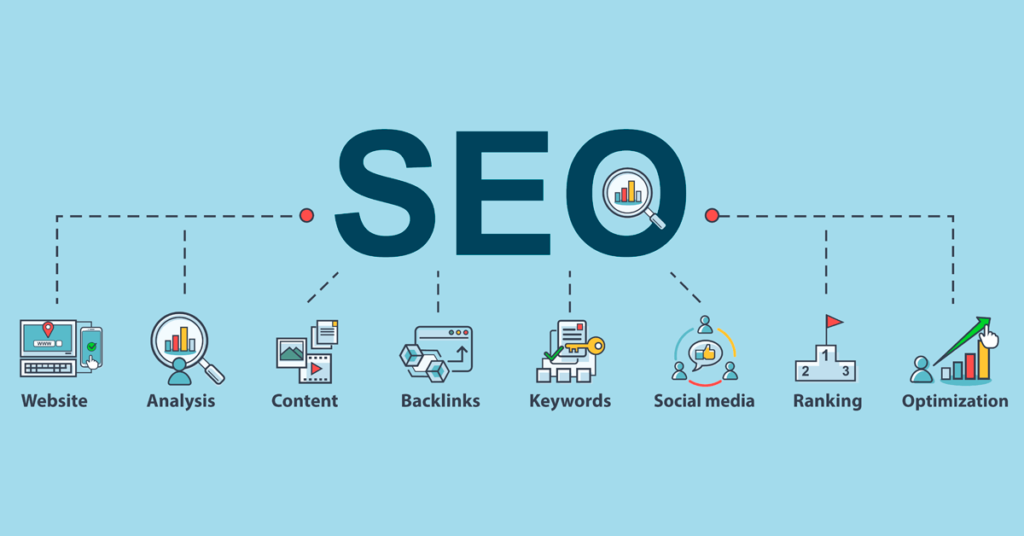
This is where search engine optimization (SEO) plays a crucial role. For digital marketers or entrepreneurs, SEO becomes imperative for visibility and sustained business success.
SEO has been a staple for over a decade, contributing significantly to the traffic of successful websites.
Search engine optimization involves enhancing both the caliber and quantity of organic traffic directed to your website. When executed effectively, it can provide your business with essential visibility through unpaid and relevant search engine outcomes.
Although SEO is typically strategized with search engines like Google in mind, its real potency lies in understanding people. The key lies in comprehending what individuals are searching for, the type of solutions they seek, their search methods (including the language they use), and their content preferences (be it text, video, or audio). If you can address these aspects, you’ll establish a connection with your audience.
Google prioritizes websites that resonate with its users. Gain their approval, and you’ll likely find your website among the top 10 results of a search query.
Importance of branding
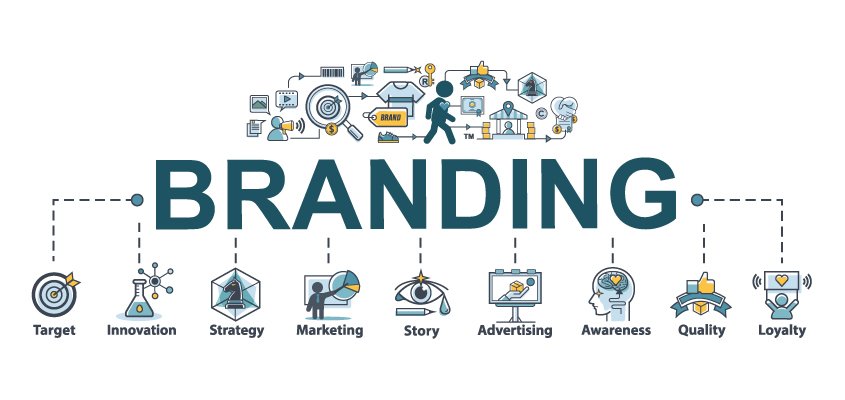
Before delving into the significance of SEO in digital marketing, it’s imperative to establish a robust foundation. This foundation revolves around your brand, encompassing elements such as your brand identity, logo, website design, and social media presence.
Branding plays a pivotal role in fostering trust, fostering repeat business, and enhancing profit margins. A well-crafted brand can augment your business’s worth by providing it with greater influence in the industry.
Your business logo serves as a cornerstone of your brand. It serves to distinguish you and your products, enabling you to stand out in the market. The more distinctive and straightforward your logo, the better it resonates with the audience. Just think of Nike’s iconic swoosh.
While some businesses choose to refresh their logos every few years to inject new life into their visual branding, establishing a strong logo from the outset eliminates the need for frequent changes. Take Nike’s swoosh, for example; it has remained unchanged since its inception and continues to hold significant cultural relevance today.
Humans are inherently visual beings, making visually appealing messages more memorable than plain text. Given this, the significance of a business logo in branding is undeniable. Moreover, with the assistance of top-notch logo makers available today, designing a logo can be accomplished in under an hour.
Importance of SEO in digital marketing
SEO is an important component within any digital marketing strategy. Although it requires dedicated time and effort, the outcomes justify the investment, providing noteworthy long-term advantages. Below are several factors that underscore the significance of SEO in digital marketing.
1. Rankings and visibility
When users conduct online searches, they tend to engage with the top 10 Google results. Effective SEO aids in securing a position on the first page, within these top 10 results, for pertinent keywords. This facilitates increased organic visibility, places you directly in front of potential customers, and boosts the likelihood of users clicking through to explore your website.
2. Increased web traffic
While relying on paid advertisements to drive site traffic may prove effective initially, it’s not sustainable in the long term. If prospective users struggle to locate your website organically, your sales potential will diminish considerably. Properly executed SEO endeavors to boost organic traffic to your website, attracting new and relevant users. The allure of organic traffic lies in its ability to draw users based on the quality of your website and content. This not only elevates your ranking to the first page but also bolsters credibility, thereby enhancing your prospects for sales and profitability.
3. Credibility and trustworthiness
Enhanced SEO translates to higher rankings on Google’s search results, a coveted advantage due to the heightened visibility it affords. Equally significant is the credibility garnered with potential customers through favorable rankings. Achieving top positions not only leads to organic discovery by users but also serves as a tacit endorsement from the search engine. Modern users are keenly aware of the stringent criteria necessary to secure a first-page ranking, reinforcing the perception of credibility and trustworthiness associated with your website.
4. Better user experience
An exceptional website addresses fundamental inquiries like product offerings, location, purchasing process, payment methods, shipping details (if applicable), and more. By crafting a site that caters to user needs, search engines can accurately retrieve and present information when queried. If users encounter difficulties navigating your site, search engines are likely to face similar challenges. In essence, prioritize delivering a superb user experience, and SEO will naturally fall into place.
5. Long-term growth
When considering the broader landscape of digital marketing tactics and strategies, it’s undeniable that SEO plays a pivotal role in driving business expansion. Achieving higher rankings for high-volume and pertinent keywords directly correlates to an influx of quality organic traffic to your site. It’s a concept as straightforward as it is intricate.
A meticulously optimized website, regularly refreshed and enriched with premium, valuable content, stands a greater chance of acquiring customers and generating increased sales. Moreover, if users have a positive experience with your brand, they may advocate for you within their social circles via social media, constituting the most effective form of word-of-mouth advertising.
SEO strategies to help you get started
Outlined below are two SEO strategies aimed at optimizing your content and website to be both user-friendly and search engine-friendly. When executed accurately and consistently, these strategies will yield rewarding, high-ranking outcomes.
1. On-page SEO strategy
The on-page SEO strategy involves optimizing the content existing on the website, encompassing tasks such as integrating relevant keywords, applying appropriate tags, and refining headings with targeted keywords, among others.
The aim is to craft content that delivers value and incorporates strategically placed keywords. Additionally, any images should be optimized with descriptive alt text. These steps are imperative for the effectiveness of on-page SEO in driving traffic.
This strategy applies universally to every page on the website, extending beyond just blog posts. Search engines like Google meticulously crawl each page of your site. Hence, by optimizing each page effectively, you increase the likelihood of ranking on the first page of search results for pertinent keywords.
2. Off-page SEO strategy
This approach stands in stark contrast to the on-page strategy. Here, the focus shifts to establishing relevant backlinks on other reputable and pertinent websites, while also promoting your content on platforms and forums frequented by your target audience.
Backlinks function as endorsements, with popular websites directing their users to your site for valuable information within their own content. While numerous strategies exist for acquiring backlinks, the crux lies in producing content that other sites deem worthy of reference. According to a study by uSERP, 40.7% of SEO experts affirm that content marketing yields the most robust passive results for generating backlinks.
Beyond backlinks, additional off-page SEO tactics encompass activities such as addressing queries on Quora, engaging with the Reddit community, and more. Authenticity is paramount in these endeavors; the aim is to be helpful rather than overtly promotional. Quora, in particular, offers an excellent platform for interacting with your audience. It serves as a hub where users seek answers to their inquiries. By furnishing valuable solutions and subtly guiding users to your website, you can cultivate credibility and bolster your SEO efforts.
Conclusion
SEO has become indispensable for acquiring organic traffic in today’s digital landscape. With new websites emerging daily, remaining relevant, current, and valuable is imperative. Users actively seek information, and positioning your website to appear prominently for relevant search queries can yield substantial long-term benefits.
By maintaining consistency and leveraging both on-page and off-page SEO tactics, your website can attain high rankings in search results for pertinent keywords. The key lies in providing valuable assistance to users and maintaining this approach consistently over time.