back to top
Home Blog Page 5

How a Fishbone Diagram Can Help Solve Startup Problems

0

Entrepreneurs generally thrive on problem solving, and the most successful startups are those that address a specific consumer need. Therefore, it’s no surprise that a tool designed to aid in problem resolution would be particularly valuable to entrepreneurs. This is where the fishbone diagram comes into play.

Also known as cause-and-effect diagrams, fish disease, fish snap method, or Ishikawa diagrams, fishbone diagrams help identify the root causes of problems. They are commonly used in problem solving to analyze the various factors contributing to an issue.

The diagram was first introduced in 1965 by Japanese organizational theorist Kaoru Ishikawa as a process analysis tool. Its primary purpose is to document problems and explore potential causes. Although the diagram might appear complex, it is actually quite user-friendly.

What is a Fishbone Diagram?

This is a tool used during the analysis phase of a project to facilitate problem-solving. It helps with brainstorming and identifying potential root causes that can be addressed. 

A typical fishbone diagram may feature categories such as:

   – Potential causes

   – Associated causes

   – Contributing factors

Why Use a Fishbone Diagram?

This diagram helps users uncover the relationships between various potential causes of issues, such as problems with product design, process functionality, or other areas. It enables brainstorming and identifies areas that may require deeper investigation. Additionally, it reveals multiple potential sources of a problem, rather than just a single primary cause.

Here are some key reasons to use a fishbone diagram:

1. Facilitates Brainstorming  

   Fishbone diagrams support brainstorming sessions aimed at identifying causes of issues or opportunities for improvement. The process often starts with generating ideas about potential causes within the diagram’s main structure.

2. Openly Displays Relationships

   Fishbone diagrams are valuable tools for startups as they not only identify problems but also illustrate the relationships between different factors contributing to the same issue. This visual representation helps clarify how various elements are interconnected.

3. Encourages Problem-Solving 

   Using a fishbone diagram promotes structured problem-solving by providing a graphical way to organize thoughts. Many experts believe it helps people think more clearly about an issue, often used in quality management and continuous improvement efforts.

4. Helps Maintain Focus  

   When initially creating a fishbone diagram, it’s easy to generate a long list of potential causes. Writing down these possibilities can quickly become overwhelming. To stay focused, techniques can be applied to narrow down the list while still capturing enough ideas for further analysis.

 How to Use a Fishbone Diagram

Since its development by Ishikawa in 1965, fishbone diagrams have been widely used in startups and continue to be valuable tools across various industries, from manufacturing to healthcare.

To use a fishbone diagram effectively:

   – Define the “fish”: Identify the main problem or issue that the diagram will address.

   – Identify the “bones”: Determine the factors that could be contributing to the problem.

   – Branch out from each bone: Add sub-branches to each factor, labeling them accordingly to represent specific causes or related issues.

How to Create a Fishbone Diagram

Must Read:7 Techniques Startups Can Use to Strengthen Communication

How to Create a Fishbone Diagram toSolve Startup Problems

To start, determine the focus of your diagram, which could involve understanding the key elements or participants in the process from beginning to end. Here’s how to construct a fishbone diagram step by step:

1. Write the Problem Statement: Begin by placing the issue you want to solve at the center of the diagram.

2. Identify Potential Causes: List the possible causes of the problem, branching out from the main line.

3. Break Down Each Cause: For each cause, add sub-causes, breaking them down further until you reach manageable, solvable factors.

A fishbone diagram consists of five main components:

   – The Problem Title

   – A Problem Description or statement

   – A Causes List, typically divided into 7 main categories

   – A Sub-causes List, with around 8 secondary categories

   – An Effects/Consequences List, outlining about 7 secondary factors

Tips for Creating a Fishbone Diagram

When building a fishbone diagram, consider these helpful tips:

1. Involve the Whole Team: Encourage everyone to participate in the brainstorming session.

2. Keep the Focus on Causes: Use the diagram to maintain the team’s attention on identifying and analyzing the causes.

3. Apply the “Why” Technique: Ask “why” repeatedly to get to the root of each reason and understand its rationale.

4. Double-Check Cause Categories: Make sure that the categories of causes are accurate and relevant.

5. Use Visual Aids: Draw the diagram on a dry erase board or flip chart for easy adjustments.

6. Use Digital Tools: Tools like Edraw can help you create a fishbone diagram with fewer errors.

Fishbone diagrams can be a vital resource for startups to identify and diagnose problems, find root causes, brainstorm solutions, and stay focused on the main issue. Consider using this approach when addressing challenges in your startup.

Conclusion

A Fishbone Diagram, also known as a Cause-and-Effect Diagram, is a powerful tool for startups looking to diagnose and solve problems effectively. It helps break down complex issues into manageable causes, making it easier to identify the root of a problem and take corrective actions. By visually mapping out potential factors contributing to a problem, startups can engage in structured brainstorming and collaborative analysis, leading to more comprehensive and innovative solutions. Using a Fishbone Diagram not only enhances problem-solving efficiency but also fosters a culture of continuous improvement, enabling startups to navigate challenges and grow sustainably.

7 Techniques Startups Can Use to Strengthen Communication

0

Effective communication is crucial for the success of any startup. In fast-paced, high-pressure environments, clear and efficient communication can be the difference between growth and stagnation. From aligning teams with your vision to building strong relationships with partners and clients, mastering communication is key. In this article, we’ll explore seven practical techniques that startups can use to strengthen their communication, ensuring clarity, collaboration, and long-term success.

Here Are 7 Techniques That Can be Used to Strengthen Communication

Must Read:How Entrepreneurs Can Leverage Technology For Greater Productivity

1.Watch Your Body Language

Many leaders in startups overlook the impact of body language when communicating. For instance, crossing your arms during conversations with team members can give the impression of being closed off or resistant to new ideas. To enhance your communication skills, it’s important to become aware of your body language and use it to reinforce your message more effectively.

2.Streamline repetitive processes

One of the most exciting aspects of startup environments is the constant change, often happening at a fast pace. While each day can bring something new, certain processes remain consistent. Regardless of a company’s stage, repetition is inevitable.

However, with this daily repetition, effective communication can sometimes fall through the cracks. People might make assumptions, fail to ask key questions, and processes can become inefficient. For instance, employees may start developing their own workarounds for tasks they find tedious. Over time, these inefficient methods can pile up in the background, and you may not even realize they’re happening.

A solution is to streamline repetitive tasks using specific forms. Droplet’s data collection form, for example, whether as a checklist or a questionnaire, offers two major benefits. First, it ensures everyone has the information they need, keeping the team aligned. Second, it provides a simple, non-confrontational way to gather feedback. This reduces confusion and encourages the team to share ideas for improvement immediately.

3.Engage in active listening

Communication involves much more than just the words you use or the act of sharing information. Beyond speaking and writing, true communication encompasses listening and observing. While you may have something to express, it’s equally important to “read the room” and truly listen to others. Making sure those you lead feel heard also requires picking up on what they aren’t explicitly saying.

Building this skill begins with empathy and active listening. To be an effective listener, you need to develop a range of skills. These include asking insightful questions, paying close attention, picking up on non-verbal cues, and being attuned to others’ emotions. Listening sometimes means staying silent, but it also involves showing a deep understanding of the speaker’s perspective.

Of course, this becomes challenging if others aren’t engaging in conversation. Using technology to facilitate communication can help accommodate different communication preferences. That’s why collaboration tools like Asana and Slack foster effective listening. They allow for the exchange of written information, video calls, and task tracking, making it easier for teams to stay aligned.

4.Build Trust with Team members

Trust is the cornerstone of effective leadership. For leaders to build trust with their team, their actions must consistently reflect their words. When there’s a disconnect between what a leader says and how they act, it becomes difficult for team members to trust them. If leaders recognize this misalignment, they must act swiftly to correct it and set the right example.

People need to feel they can trust you, and communication plays a key role in building and maintaining that trust. However, if your actions don’t align with your words, trust will quickly break down. Inconsistency is often the root cause of trust erosion.

Leaders may not always notice when their behavior doesn’t align with their words, and may need a trusted colleague to point out these discrepancies. The best practice for a leader is to communicate only when they are sure their actions will back up their message. For instance, it would be inappropriate for a leader to emphasize the importance of meeting deadlines while regularly leaving work early themselves.

Consider a leader you lost confidence in. Was it due to their lack of knowledge, or because you couldn’t rely on them? More often than not, it’s because you doubted the alignment between their words and actions. For example, they might claim to value team input, but then dismiss every idea during brainstorming sessions, favoring only their own.

Maybe this leader also had a habit of undermining people. They’d assign tasks, only to discard the work and redo it themselves without offering feedback.

Actions speak louder than words when it comes to communication. While it’s okay to change direction, it’s important to explain why. Failing to do so creates confusion and can lead to a breakdown in trust.

5.Communicate with Enthusiasm

Exceptional leaders inspire and energize their audience by communicating with positive energy. Team members are drawn to an enthusiastic leader, and that excitement often spreads. For instance, even if a team falls short of their goals, a leader who speaks optimistically about their progress can motivate them to work harder and stay focused on achieving success. A leader’s positive energy can provide the extra boost the team needs to navigate tough challenges and meet deadlines.

6.Learn From Self Recordings

When delivering a message, it’s difficult to be objective about how you come across. You’re experiencing it from inside your own head, so you can’t fully observe your body language or tone. While you may hear yourself, you might not realize how your tone is perceived by others.

A useful way to gain this perspective is by recording your presentations and verbal communications. Recording video calls with your team, investors, or clients gives you material to review. You can also record yourself during rehearsals and practice sessions. Whether video or audio, these recordings offer valuable insights.

For example, Microsoft Teams allows you to record both audio and video sessions, which you can replay later. You can also share these recordings with someone you trust to provide constructive feedback, such as a mentor who can highlight areas for improvement. Even a smartphone can record in-person meetings or practice speeches at home, allowing you to reflect and make necessary adjustments to your communication style.

7.Break Down Complex Ideas

Your team is often bombarded with information from different sources, which can make it harder for them to grasp your message. To communicate more effectively, focus on simplifying your ideas. A good leader can take complex strategies and present them in clear, practical terms, making it easier for the team to understand. This means you need a deep understanding of the subject. By avoiding technical jargon and focusing on plain language, you can make your message much clearer

Conclusion

Running a startup requires courage and the skill to manage conflicting priorities. You’ll face numerous challenges, from roadblocks to achieving your goals to daily frustrations. Despite these pressures, you must clearly communicate your vision, motivate others with your words, and deliver on your commitments.

Top 10 Best Smartphones Under £200 (Pounds) in UK

0

Smartphones have become an important part of our daily lives, finding a high-quality device that doesn’t break the bank is more important than ever. Fortunately, the market offers a plethora of options catering to budget-conscious consumers without compromising on performance and features. For those residing in the United Kingdom with a budget of £200 or less, the quest for the perfect smartphone can be both exciting and challenging. To ease this search, we’ve made a comprehensive list of the top 10 best smartphones available under £200 in the UK. From impressive camera setups to powerful processors and stunning displays, these smartphones offer exceptional value for money, ensuring that you can stay connected, entertained, and productive without stretching your budget. Join us as we explore the best affordable smartphones that the UK market has to offer.These phones are available at Amazon.

Here Are The Top 10 Best Smartphones Under £200

Must Read:The Top 7 Best Gaming Keyboards in 2024

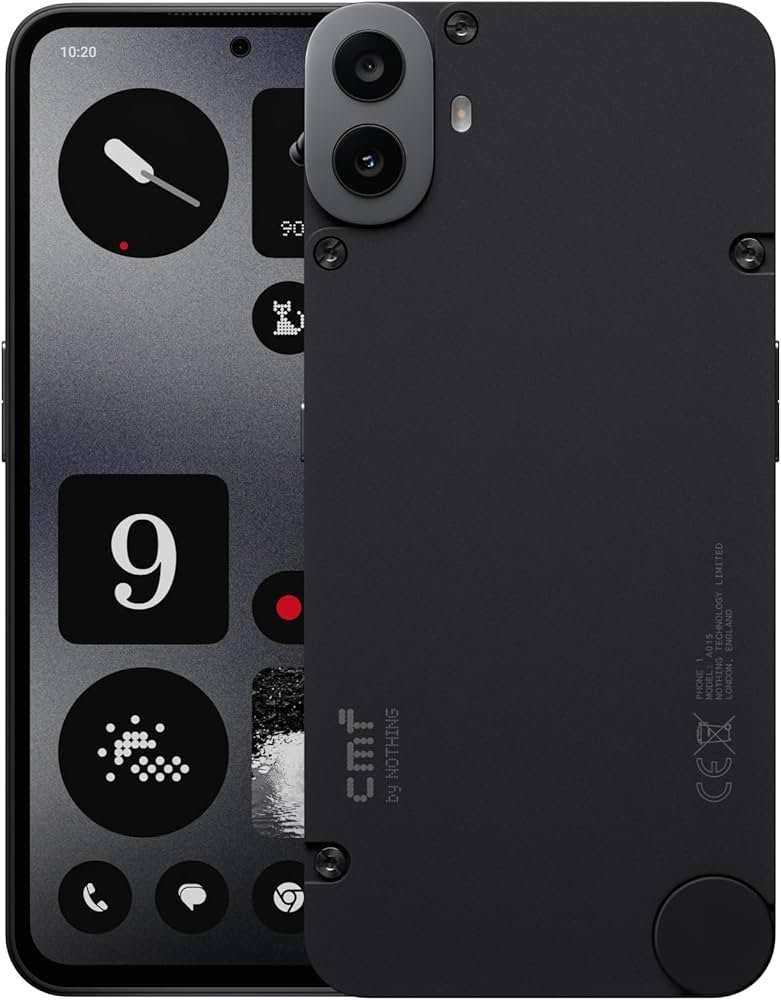
Nothing CMF Phone 1

CMF phone 1

CMF Phone 1 caters to those seeking a budget-friendly option at around £200, yet desiring a capable smartphone. Impressively, its 50MP main camera delivers stunning photos. The device boasts a 6.67-inch AMOLED display with a 120Hz refresh rate and 1080p resolution. Operating on Android 14 with up to 2 major Android upgrades, it utilizes the Mediatek processor with up to 8GB RAM and 256GB storage. However, its 16MP selfie camera falls short compared to the main camera. With a robust 5000mAh battery supporting 33W fast charging, it ensures prolonged usage.

CMF Phone 1 Specifications

  • Display Size: 6.67 inches (1080 x 2400)
  • Display Type: AMOLED, 120Hz
  • RAM & Storage: 6/8 GB RAM , 128/256 GB
  • Operating System: Android 14
  • Chipset: Mediatek Dimensity 7300
  • Camera: 50MP + 2MP Selfie: 16MP
  • Battery: 5000mAh

Motorola Moto G55

Motorola Moto G55

This smartphone presents another excellent option, powered by the Mediatek Dimensity 7025 processor, available with 8GB RAM with either 128GB or 256GB storage. Featuring a 50MP primary camera and a 16MP selfie camera, it offers versatile photography capabilities. Its IPS LCD display boasts a 120Hz refresh rate and Full HD resolution, safeguarded by Corning Gorilla Glass 5. Operating on Android 14 , the Moto G55 is equipped with a robust 5000mAh battery and supports 30W fast charging for prolonged usage.

Motorola Moto G55 Specifications

  • Display Size: 6.49 inches (1080 x 2400)
  • Display Type: IPS LCD, 120Hz
  • RAM & Storage: 8 GB RAM & 128 or 256 GB
  • Operating System: Android 14
  • Chipset: Mediatek Dimensity 7025
  • Camera: 50MP + 8MP + 16MP Selfie: 5MP
  • Battery: 5000mAh

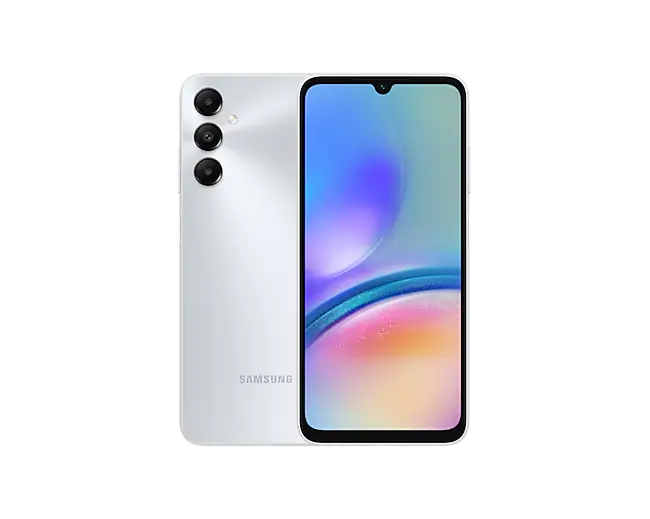
Samsung Galaxy A05s

Samsung Galaxy A05s

The Galaxy A05s is a distinctive smartphone, ranking among the top choices priced under 200 pounds. Notably, Equipped with an PLS LCD, it offers smooth visuals. Operating on Android 13, the Galaxy A05s offers configurations with either 6GB or 4GB RAM paired with 128GB storage options. Additionally, it boast a sizable 5000mAh battery supporting 25W fast charging.

Samsung Galaxy A05s Specifications

  • Display Size: 6.7 inches (720 x 1600)
  • Display Type: PLS LCD
  • RAM and Storage: 6 or 4GB RAM & 128GB Storage
  • Operating System: Android 13
  • Chipset: Mediatek Helio G85
  • Camera: 50MP + 2MP Selfie: 8MP
  • Battery: 5000mAh

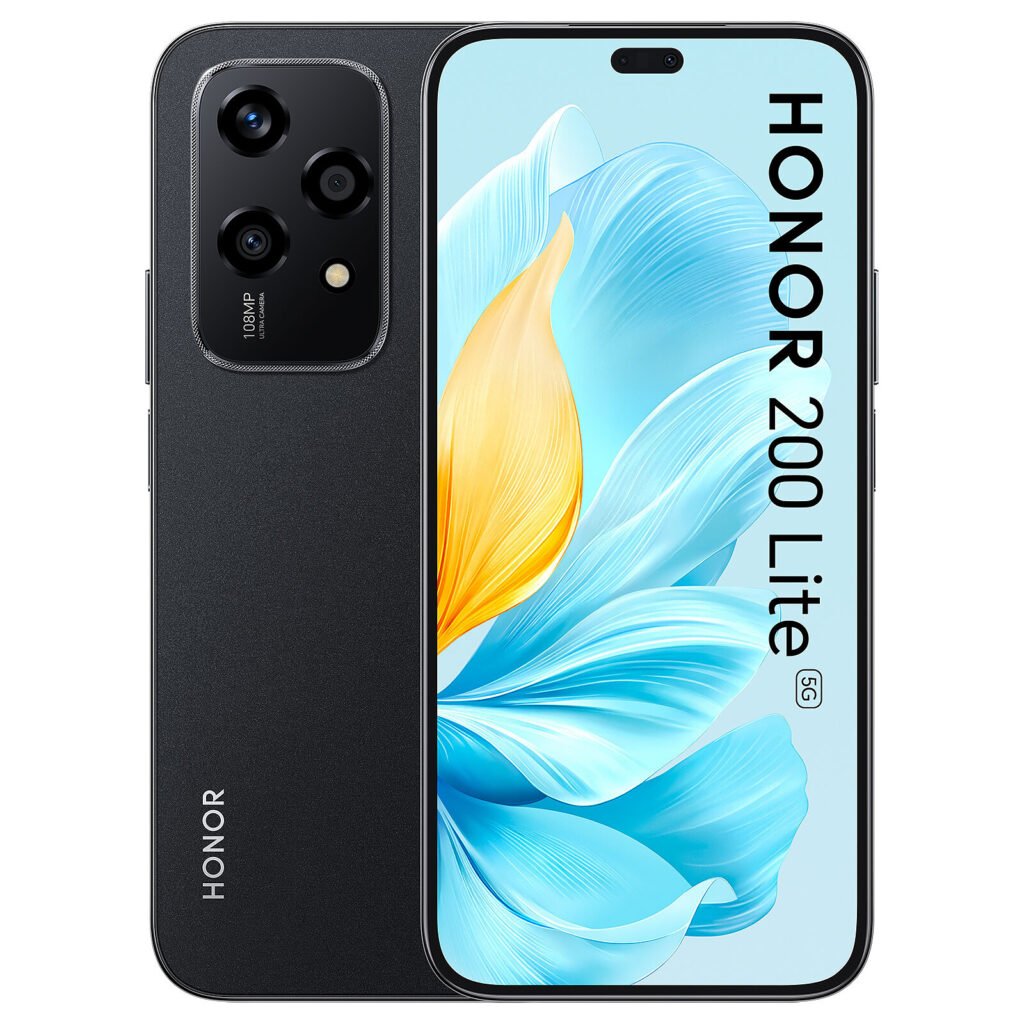
Honor 200 Lite

The Honor 200 Lite Android smartphone, launched in April 2024 is Powered by the Mediatek Dimensity 6080 (6 nm) processor and Mali-G57 MC2 GPU, it features 12GB of RAM and 256GB of non-expandable internal storage.

The device boasts a 6.7-inch AMOLED display with a resolution of 1080 x 2412 pixels and a pixel density of 394 ppi. For photography, it offers a 108 MP rear camera and a 50 MP front camera for selfies. It includes a USB Type-C port for data syncing and charging and features a fingerprint sensor, compass, proximity sensor, and accelerometer. The Honor 200 Lite supports dual SIM, 4G LTE, USB OTG, and Wi-Fi connectivity.

Running on Android 14, the phone is powered by a 4500 mAh battery. It measures 161.1 x 74.6 x 6.8 mm and weighs 166 grams, including the battery.

Honor 200 Lite specifications

  • Display Size: 6.7 inches (1080 x 2412)
  • Display Type: AMOLED, 90Hz
  • RAM & Storage: 8 or 12 GB RAM & 256 GB
  • Operating System: Android 14, MagicOS 8
  • Chipset: Mediatek Dimensity 6080
  • Camera: 108MP + 5MP + 2MP Selfie: 50MP
  • Battery: 4500mAh

Samsung Galaxy A23

The Samsung Galaxy A23 stands out as one of the premier options within the sub-£200 price bracket. It boasts the Snapdragon 680 4G chipset, offering either 4GB or 8GB of RAM alongside up to 128GB of storage space. Featuring a quad-camera setup at the rear, it showcases a 50MP primary camera, an 8MP selfie camera, and video recording capabilities up to 1080p resolution.

Constructed with a plastic frame, as expected for a phone in this price range, it incorporates a side-mounted fingerprint scanner for added security. Positioned at the bottom, it includes a loudspeaker and a headphone jack for versatile audio options. Its expansive 6.6-inch PLS LCD display delivers a smooth viewing experience with a 90Hz refresh rate and Full HD+ resolution. Operating on Android 13 with the intuitive One UI 5 interface, it ensures a seamless user experience. Equipped with a robust 5000mAh battery, it supports 25 Watts of fast charging, ensuring prolonged usage without frequent recharging.

Samsung Galaxy A23 Specifications

  • Display Size: 6.6 inches (1080 x 2408)
  • Display Type: PLS LCD, 90Hz
  • RAM & Storage: 4, 6 or 8 GB RAM & 64 or 128 GB
  • Operating System: Android 13, One UI 5
  • Chipset: Snapdragon 680 4G
  • Camera: 50MP + 5MP + 2MP + 2MP Selfie: 8MP
  • Battery: 5000mAh

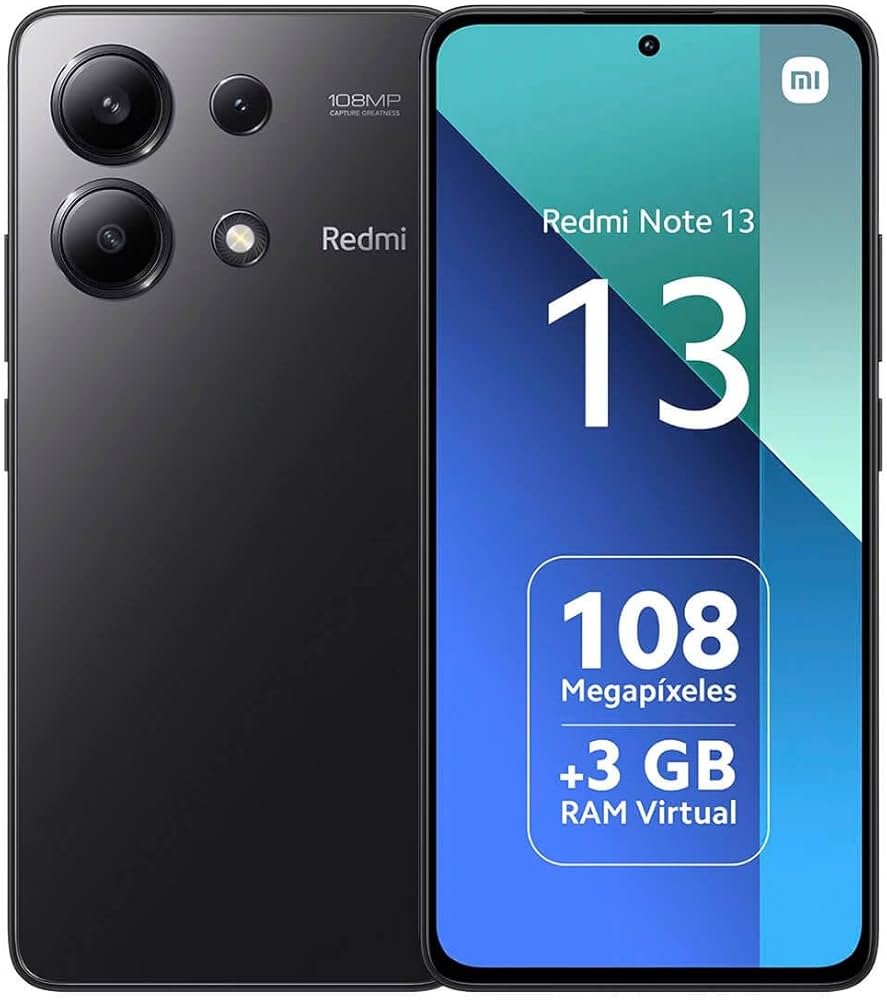
Redmi Note 13

Redmi Note 13

The Redmi Note 13 Series boasts a sleek, modern design with ultra-slim bezels, delivering a premium look and feel. Its high-quality display enhances the user experience, offering immersive viewing. The Redmi Note 13 Pro+ 5G features a crystal-clear 1.5K AMOLED display with 1800 nits peak brightness, while the Redmi Note 13 Pro and Redmi Note 13 come with sharp FHD+ AMOLED displays.

All devices in the series provide smooth, lag-free scrolling, thanks to a 120Hz AdaptiveSync refresh rate, ensuring clearer, more enjoyable viewing. To support comfortable extended use, the Redmi Note 13 Series comes with TÜV Rheinland Low Blue Light, Flicker-Free, and Circadian Friendly certifications, alongside eye protection features like Reading mode. Additionally, the series introduces an in-screen fingerprint sensor for added convenience.

Redmi Note 13 Specifications

  • Display Size: 6.67 inches (1080 x 2400)
  • Display Type: AMOLED, 120Hz
  • RAM & Storage: 6,8 or 12 GB RAM & 256 or 512GB
  • Operating System: Android 13, up to 3 major Android upgrades, HyperOS
  • Chipset: Mediatek Dimensity 6080
  • Camera: 108MP + 8MP + 2MP + Selfie: 16MP
  • Battery: 5000mAh

Samsung Galaxy A15

Experience the power of technology with the Samsung Galaxy A15, a versatile smartphone built to enhance your mobile life. Equipped with 4GB of RAM and a generous 128GB of storage, this device offers smooth multitasking and plenty of room for your photos, apps, and files. Whether you’re a tech lover or a casual user, the Samsung A15 is the ideal companion for your digital needs.

Samsung Galaxy A15 Specifications

  • Display Size: 6.5 inches (1080 x 2340)
  • Display Type: Super AMOLED, 90Hz
  • RAM and Storage: 4,6 or 8GB RAM & 128 or 256GB Storage
  • Operating System: Android 14, up to 3 major Android upgrades, One UI 6.1
  • Chipset: Mediatek Helio G99
  • Camera: 50MP + 5MP + 2MP + 2MP Selfie: 13MP
  • Battery: 5000mAh

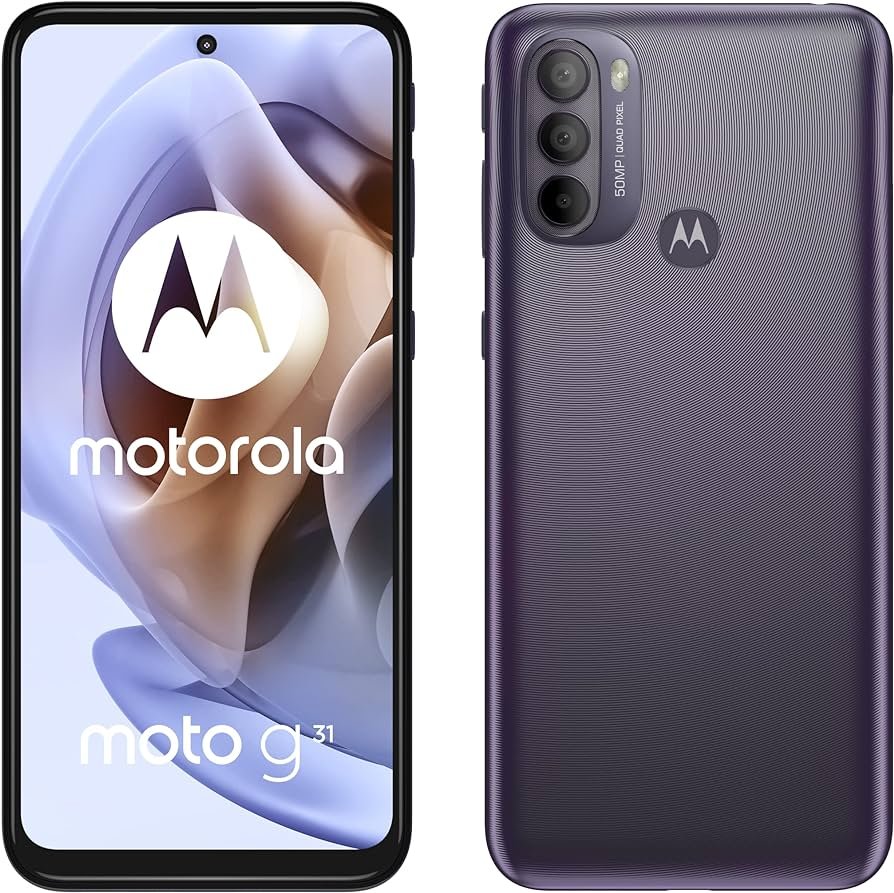
Motorola Moto G31

Motorola Moto G31

For just 170 Pounds, you can acquire this remarkable 6.4-inch smartphone featuring an OLED display, a rarity in this price range, delivering stunning full HD+ visuals. It marks the top choice among phones priced under 200 pounds. Powered by the MediaTek Helio G95 chipset, it offers relatively smooth performance, suitable for light gaming, while the sizable 5000mAh battery ensures all-day usage.

Out of the box, it runs on Android 11, with the anticipation of an Android 12 update in the near future. Additionally, the Moto g31 boasts a 50-megapixel primary camera, albeit somewhat restricted, particularly in challenging conditions, a common occurrence in budget smartphones.

Nevertheless, it remains an impressive and affordable device, particularly appealing for those seeking a device with a stunning display for streaming Netflix or Disney shows, or for tasks like photo editing.

Motorola Moto G31 Specifications

  • Display Size: 6.4 inches
  • Display Type: AMOLED
  • RAM & Storage:64GB 4GB RAM, 128GB 4GB RAM
  • Operating System: Android 11
  • Chipset: Mediatek MT6769Z Helio G85 (12nm)Camera: 
  • Battery: Li-Po 5000 mAh

Samsung Galaxy A14

Samsung Galaxy A14

The Samsung Galaxy A14 features a plastic construction and a PLS LCD display, boasting a generous 6.6-inch screen with a crisp 1080p resolution. Operating on Android 13 with One UI Core 5, it is equipped with either the MediaTek Helio G80 or Exynos 850 processor, depending on the chosen model. With configurations offering 4 or 6GB of RAM and 64 or 128GB of storage space, it caters to various user needs.

Photography enthusiasts will appreciate its 50MP primary camera and 13MP selfie camera. Sporting a robust 5000mAh battery, it supports 15-watt fast charging for efficient power replenishment.

Samsung Galaxy A14 Specifications

  • Display Size: 6.6 inches (1080 x 2408)
  • Display Type: PLS LCD
  • RAM & Storage: 4 or 8 GB RAM & 64 or 128 GB
  • Operating System: Android 13, One UI Core 5
  • Chipset: Exynos 850 or MediaTek Helio G80
  • Camera: 50MP + 5MP + 2MP Selfie: 13MP
  • Battery: 5000mAh

Redmi Note 12

The Redmi Note 12 is a top contender among devices priced below 200 pounds in the United Kingdom. Featuring a sleek glass build and a convenient side-mounted fingerprint scanner, it boasts an IP53 dust and water splash resistance rating for added durability. Its expansive 6.67-inch AMOLED display offers a smooth viewing experience with a 120Hz refresh rate and 1080p resolution.

Running on Android 12 with MIUI 14 serving as the user interface, it is powered by the Snapdragon 4 Gen 1 processor, offering configurations with up to 8GB of RAM and 256GB of storage space. Equipped with a 48MP primary camera and a 13MP selfie camera, it delivers impressive photography capabilities. With a substantial 5000mAh battery, it supports 33 watts fast charging for quick and convenient power replenishment.

Redmi Note 12 Specifications

  • Display Size: 6.67 inches (1080 x 2400)
  • Display Type: AMOLED, 120Hz
  • RAM & Storage: 4, 6 or 8 GB RAM & 128 or 256GB
  • Operating System: Android 12, MIUI 14
  • Chipset: Snapdragon 4 Gen 1
  • Camera: 50MP + 8MP + 2MP Selfie: 13MP
  • Battery: 5000mAh

Conclusion

Finding the best smartphone under £200 in the UK offers a range of options that balance performance, features, and affordability. The smartphones in this category provide excellent value with capabilities like decent cameras, solid battery life, reliable performance, and modern designs. Whether you’re looking for an everyday phone, a device for light gaming, or a budget-friendly option with good display quality, these models cater to various needs without breaking the bank. As technology continues to advance, affordable smartphones are becoming more capable, making it easier than ever to find a great device within this price range.

How Entrepreneurs Can Leverage Technology For Greater Productivity

1

Introduction 

The goal of incorporating technology into business operations has always been to boost productivity. While this is a worthwhile objective, achieving it requires a strategic approach to maximize impact and value. With that in mind, let’s take a closer look at how forward-thinking leaders can ensure their use of technology is both effective and aligned with their operational needs.

Here Are Ways Entreprenuers Can Leverage Tecnhology For Enhanced Productivity

Must Read:How to Make Social Media a Source of Income in 2024

Here Are Ways Entreprenuers Can Leverage Tecnhology For Enhanced Productivity
AI

Integrating AI for Business Optimization

Integrating AI for Business Optimization

Artificial Intelligence (AI) is rapidly gaining traction, with 21.8% of information-driven organizations either already implementing it or planning to do so this year. Entrepreneurs are especially well-positioned to adopt AI as a means to optimize operations, enhance productivity, and foster innovation. Here, we’ll explore some of its key advantages and the tools that deliver these benefits.

Automating Routine Tasks

Entrepreneurs can automate repetitive tasks, freeing up time for strategic activities.

RPA Tools: Robotic Process Automation tools like UiPath and Blue Prism can handle data entry and scheduling.

Chatbots: Use chatbots like Drift or Intercom for customer service and sales inquiries, improving response times and efficiency.

Enhancing Decision Making with Predictive Analytics

AI-powered predictive analytics offers valuable insights that inform decision-making processes. Given that decision-making consumes 40% of an average executive’s time, enhancing efficiency through automation clearly brings significant productivity benefits.

Dataiku DSS: This platform helps businesses build predictive models without extensive coding knowledge.

IBM Watson Studio: Known for its robust machine learning capabilities, it supports entrepreneurs in forecasting market trends accurately.

Personalizing Customer Experiences

Personalization is key to customer engagement, and 74% of individuals feel frustrated when it’s not provided. AI has the ability to customize experiences by analyzing individual behaviors and preferences.

Salesforce Einstein: Integrates seamlessly with CRM systems to offer personalized marketing campaigns.

Adobe Experience Cloud: Leverages AI to customize content delivery across different platforms efficiently.

Improving Supply Chain Management

Effective supply chain management is essential for ensuring smooth and consistent business operations. With costs having increased by 22% in recent years, it has also become a significant financial consideration.

ClearMetal’s Supply Chain Visibility Platform: Uses machine learning to provide real-time visibility into the supply chain process.

Llamasoft’s Supply Chain Guru: Employs advanced algorithms to enhance inventory management and demand forecasting.

• Leading Delivery Management Software: These tools can optimize delivery management by planning efficient routes and schedules, reducing fuel costs, and improving delivery times, which are essential for maintaining customer satisfaction and operational effectiveness.

Boosting Cybersecurity Measures

As cyber threats continue to rise, costing the global economy $8 trillion last year, safeguarding business data should be a top priority in 2024. AI plays a crucial role by detecting anomalies and identifying potential security breaches before they become serious issues.

Darktrace’s Immune System Technology: Uses unsupervised learning to identify threats autonomously within networks.

CrowdStrike Falcon: Takes advantage of generative AI to reduce the amount of manual work analysts need to do to stay on top of emergent threats.

Equipping your team with the right devices is crucial for enhancing security, as outdated hardware is inherently more prone to cyberattacks. Take a moment to explore new laptops here, allowing you to upgrade your startup’s technology for greater security and productivity.

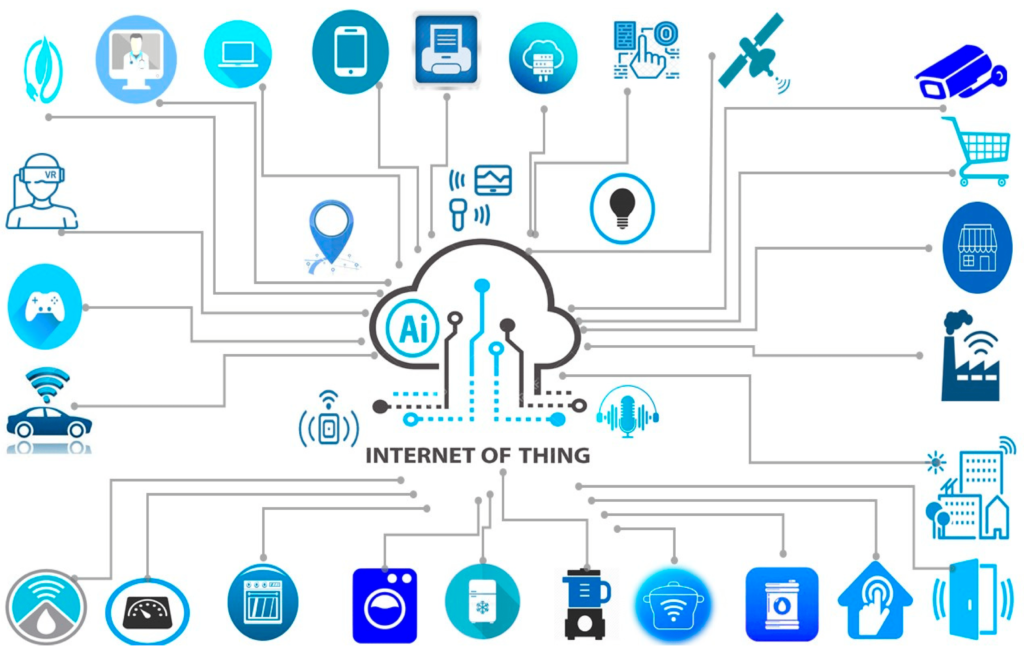
Utilizing IoT in Streamlining Operations

Utilizing IoT in Streamlining Operations

The Internet of Things (IoT) is transforming business operations by linking devices, systems, and people in ways never seen before. Entrepreneurs are leveraging this technology to boost efficiency and productivity, and with 63% of IoT projects recouping their costs within three years, the financial justification is clear.

Smart Inventory Management

In combination with inventory management software, IoT facilitates real-time tracking and oversight of inventory, minimizing errors and preventing stockouts.

Zebra Technologies: Offers RFID solutions that track inventory levels automatically.

SmartBin: Provides intelligent bin monitoring to ensure optimal supply levels at all times.

Integrating Remote Work with Collaboration Tools

Integrating Remote Work with Collaboration Tools

In 2024, remote work continues to grow, with 10% of individuals incorporating it into their weekly schedules, driven by a demand for flexibility and efficiency. Entrepreneurs can utilize advanced collaboration tools to maintain team productivity and connectivity.

Enhancing Communication

To achieve successful remote work, effective communication is essential. Utilize reliable platforms that enable smooth interactions, along with fostering communication skill development.

  • Slack: Provides instant messaging, file sharing, and integration with various productivity apps.
  • Microsoft Teams: Offers video conferencing, chat functions, and document collaboration all in one place.

Managing Projects Efficiently

Project management tools help track tasks, deadlines, and progress across dispersed teams.

  • TrelloUses visual boards to manage tasks intuitively.
  • Asana: Allows detailed task tracking with customizable workflows suitable for complex projects.

Facilitating File Sharing

Secure and efficient file sharing guarantees that everyone can easily access the required documents without any complications.

  • Google Workspace: Provides cloud-based storage along with collaborative editing features on Docs, Sheets, and Slides.
  • Dropbox Business: Offers extensive cloud storage solutions paired with advanced security features to protect sensitive information

Supporting Virtual Meetings

With the right technology in place, virtual meetings can effectively substitute traditional face-to-face interactions.

  • Zoom: Known for its reliability in hosting large-scale virtual meetings without hiccups.
  • Microsoft Teams: Once again the fact that it is part of the wider Microsoft ecosystem allows for impressive integrations for organizations that want a holistic approach to communications.

Conclusion

AI, IoT, and collaboration tools are without a doubt interconnected technologies that can help startups save money, boost productivity, and provide entrepreneurs with the tools to revitalize their entire operations. While understanding this is valuable, taking action is even more important. Now that you have a clear direction for your digital next steps, it’s time to move forward.

How to Make Social Media a Source of Income in 2024

1

Introducton

Social media has woven itself into the fabric of our lives and emerged as a powerful global force, with 5 billion people, 62% of the world’s population actively using it.This widespread adoption highlights the immense potential for earning money through social media. Whether you have a large audience or are just beginning, there are numerous proven strategies to monetize your social media presence in 2024.

Here Are Strategic Ways You Can Generate Revenue From Social Media

Make Social Media a Source of Income

Must Read:International Travel Essentials for Entrepreneurs: Tools and Tips

1. Sell Physical and Digital Products

One of the simplest methods to earn money through social media is by selling products directly to your audience. You can offer both physical and digital items. Physical products require shipping tangible goods, such as clothing or handmade crafts, while digital products can be instantly downloaded, including e-books, courses, graphics, and more. The key is to select a product niche that aligns with your followers’ interests, ensuring you already have a targeted audience. For instance, a fitness-focused social media influencer could sell workout equipment, healthy cookbooks, or fitness gadgets and accessories.

2. Monetize Your Following

If you manage to build a substantial social media following in your niche, you can directly monetize your audience and generate leads. Platforms like YouTube, TikTok, and Facebook compensate popular creators for running ads on their content. The more views and engagement you achieve, the more income you can generate.

YouTube’s Partner Program allows video creators to earn a share of the ad revenue from Google ads displayed on their channels. To qualify, you need 1,000 subscribers, 10 million valid public Shorts views, and 4,000 watch hours in the past year. TikTok offers a Creator Fund that pays creators based on the views their videos receive, and live streamers can earn tips from viewers through TikTok LIVE Gifts.

As social media usage continues to grow rapidly, advertisers will increasingly invest in reaching engaged audiences on these platforms, leading to more monetization opportunities for creators.

3. Secure Brand Collaborations

A popular way to make money is by collaborating with brands that are relevant to your niche. You can earn by promoting or co-creating products with brands that resonate with your audience.

There are various types of collaborations, such as sponsored posts, giveaways, custom products, discount codes, and more. The key is to partner with brands that genuinely align with your content and your audience’s interests. For example, a travel blogger might team up with luggage brands, while a fashion influencer could collaborate with clothing retailers on custom apparel.

It’s important to set clear expectations and metrics to demonstrate the value you provide. Common key performance indicators (KPIs) include content views, clicks, coupon redemptions, and sales generated.

4. Offer Your Followers Exclusive Content

One effective way for social media creators to earn income is by offering exclusive content, products, or experiences to their most loyal followers. This might include “behind-the-scenes” videos, personalized shoutouts, early access to events, members-only chat groups, and more. By providing unique value, you can charge monthly or yearly fees for access.

Platforms like YouTube, Twitter, and Facebook allow you to create private groups or channels that followers can subscribe to for a fee. Additionally, popular services like Patreon or Buy Me a Coffee make it easy to manage exclusive memberships.

As social media becomes increasingly crowded and competitive for attention, exclusive content and private groups will grow in appeal. Super fans are often willing to pay for VIP treatment and a closer connection to their favorite creators.

5. Provide Social Media Consulting

If you’ve built a large, highly engaged audience, brands may seek your expertise. You can earn money by consulting with brands and creators on social media marketing strategies.

This may include advising on content best practices, understanding platform algorithms, running ad campaigns, managing influencer partnerships, and analyzing performance metrics. 

E-commerce brands, social media agencies, startups, and other creators are ideal clients for consulting services. To justify your fees, be sure to emphasize your niche expertise, audience reach, and previous campaign successes.

As social platforms continue to evolve rapidly, the demand for knowledgeable experts will keep growing in 2024. Stay updated on the latest trends and consider offering online courses or tools as additional services.

6. Promote Your Affiliate Links

Affiliate marketing is a well-known passive income source for social media creators. You earn a commission when your followers click on your links and take actions such as visiting a site, signing up, making a purchase, and more.

You can share affiliate links to products, services, subscriptions, or events that are relevant to your niche. Popular programs include Amazon Associates, eBay Partners, Oraimo Affiliate programs, and others.

The key to success is to integrate affiliate links in a way that adds value to your audience, rather than coming across as spammy. For instance, a cooking account might link to useful kitchen gadgets and ingredients.

7. Make Branded Content

Sponsored branded content involves partnering with brands to create social media posts and videos that promote their products or services. By doing this, you can use your audience reach to help brands achieve their goals.

For instance, travel bloggers often receive substantial payments for reviewing hotels and producing branded content. Rates for sponsored posts typically start around $100 to $250 per post but can exceed $10,000, depending on your niche, audience reach, and engagement levels.

When running branded campaigns, it’s necessary to ensure your content remains consistent with your niche and aesthetic. Maintain a uniform tone so that the posts feel cohesive and natural.

In 2024, best practices for native branded content will become more standardized across platforms, potentially creating more opportunities for creators to monetize through intentional partnerships.

Conclusion

Social media will continue to offer more opportunities for the average person to make money online. As platforms expand and introduce new commercial features, the barriers to monetizing your audience will decrease. Whether you have a large following or are just beginning, there are proven business models available to generate income from social networks in 2024. These revenue-generating activities include selling merchandise, offering services, collaborating with brands, and promoting affiliate links.

International Travel Essentials for Entrepreneurs: Tools and Tips

2

Introduction

So, you’ve got an international business trip coming up – maybe it’s London for a deal or USA for some networking? Exciting, right? Traveling for work can be an incredible experience, offering opportunities to learn new things, build connections, and perhaps even pick up a unique souvenir coffee mug. 

Stepping into unfamiliar territory can be a bit challenging, especially when you’ve got a business to keep running smoothly back home. No need to worry, though, fear less business traveler, This guide is your key to a smooth international journey

We’ll look at crucial areas that can make or break your trip: communication, technology, organization, health, and cultural awareness. Think of these as your essential travel toolkit, and with them in hand (no, it’s not a carry-on), you’ll be ready to take on the world, one business meeting at a time. Ready to begin? Let’s dive in!

Here Are The Top 5 International Travel Tools and Tips for Entrepreneurs

International Travel Essentials for Entrepreneurs: Tools and Tips

Must Read:Remote Work Pitfalls: How to Overcome Common Challenges

1. Communication: Don’t get lost in translation

Imagine this: You’re in Shanghai, a vibrant city rich in history. Your mission? A crucial business meeting to secure a significant partnership. You present with confidence, but then a cultural misstep creates a challenge as daunting as the Great Wall.

This is the reality of navigating the nuances of communication in China. Does it sound familiar? Don’t worry; misunderstandings are a common hurdle for international business travelers. But there’s no need to fear. The key to overcoming these obstacles and ensuring your message resonates is to equip yourself with cultural knowledge and the right tools.

A great solution is a virtual SIM card. Staying connected is essential, especially when traveling to China, where things work a bit differently. Many popular social media platforms and translation apps are restricted. That’s where the Holafly eSIM comes in,it’s like your digital guardian angel. This convenient virtual SIM card provides data access in China without the need to swap out your physical SIM. With uninterrupted data, you can continue using your favorite translation services and stay connected with your team back home, ensuring a smooth and successful business trip—no more misunderstandings!

Another way to maintain effective communication is by using your secret weapon: language learning apps. Duolingo, Memrise, and Babbel are like your personal Rosetta Stones. While you might not be reciting Chinese poetry after a week, learning a few key phrases in the local language can make a big difference. A simple “nǐ hǎo” or “xièxiè” shows respect and can go a long way in building rapport.

Another reliable tool in your arsenal is translation services. Google Translator may not be flawless, but it’s invaluable when you need to decode a tricky menu or quickly translate a website. It even offers real-time conversation translation—though be ready for some amusing or occasionally bewildering mistranslations.

2. Technology: Staying connected and productive

Let’s face it, business doesn’t pause just because you’re on the other side of the world. Emails can pile up faster than dirty laundry, and staying on top of things is essential. Here’s how you can stay ahead, tech-savvy traveler:

First, let’s talk about international adapters. No one wants to be hunting for the right plug while their phone battery is dying. A universal adapter is your best ally, keeping your devices charged no matter where your journey takes you.

Next is every traveler’s nightmare: dead batteries. We’ve all been there—staring at a lifeless screen with crucial deadlines approaching. Make sure to pack a portable charger. It’s a game-changer for keeping your phone and laptop powered up, allowing you to tackle emails and ace conference calls with ease.

Let’s go into the power of the cloud. Services like Google Drive or Dropbox act as your digital filing cabinets in the sky. By storing important documents and files there, you can access them from any device, anywhere in the world. No more frantic searches for that vital spreadsheet—just a quick tap, and you’re all set.

Since the world doesn’t always align with your time zone, you’ll likely need to video conference with colleagues back home. Tools like Zoom or Skype are your reliable go-to, enabling you to schedule meetings and presentations, no matter the distance.

But what if you’re on a call with someone who doesn’t speak English? Don’t worry—technology has got you covered. There are online services that can transcribe conversations and translate them into real-time subtitles. Need something more robust? If you require high-quality, human-verified subtitles for videos, translating beyond basic machine translation, you’re in luck. What once was a challenge 15 years ago is now a breeze, especially when dealing with accents or technical jargon.

So, go ahead—conquer those conference calls and master your inbox, all from the comfort of your hotel room.

3. Organization

Business trips  not . Picture this: you’re rushing through the airport, coffee in one hand and briefcase in the other, when it suddenly dawns on you—you left that crucial presentation folder back at the hotel. Cue the panic and frantic phone calls.

But with a bit of organization, you can turn the chaos into calm and navigate your business trip like a seasoned pro.

  • The packing list is your new best friend. Ditch the frantic rummaging through drawers, create a detailed packing list that considers everything from the climate to cultural norms. Don’t forget to factor in any business attire you might need—you don’t want to show up to a board meeting looking like you just wandered off the beach.
  • Harness the power of travel apps. There’s a reason why these are invented. Apps like TripIt or Google Trips are your digital travel companions, helping you manage flights, itineraries, and reservations with ease. No more scrambling through crumpled papers—all your trip details are neatly organized in one place.
  • Organization and document management. Passports, visas, travel insurance – these are your travel lifelines. But what if you lose them? Disaster! Avoid the stress by scanning these important documents and storing them digitally. Cloud storage services or even a secure email to yourself, are your friends here. That way, if the worst happens, you’ll have easy access to digital copies.
  • Consider a time zone converter app. This little gem can save you from a world of scheduling conflicts or missed calls back home. No more showing up for a meeting two hours early. With a quick tap, you’ll always be on top of the time game, ensuring an easy and stress-free business trip.

4. Staying healthy on the road

Staying healthy is the foundation of a successful trip, so let’s make sure your body is fueled and ready to excel in those meetings. Here’s what you need to keep in mind:

First, take care of vaccinations. A little research can save you from a lot of discomfort, and even potential danger, later on. Check which vaccinations or medications are recommended for your destination, and make sure you get them well before your trip.

Next, consider travel insurance. It might seem like an extra cost, but it’s invaluable. Travel insurance can be a lifesaver in case of unexpected medical emergencies, ensuring you receive the necessary care without a financial burden.

Stay hydrated. Dehydration can sneak up on you, draining your energy and leaving you feeling sluggish. Especially in hot climates, drink plenty of bottled water. Skip the sugary sodas and juices,stick with water to keep your energy up.

Lastly, airport food can be hit or miss, so pack some healthy snacks. This way, you won’t be tempted by greasy fast food or unfamiliar street vendors.A healthy you is a more effective you.

5. Cultural awareness

Understanding and respecting local customs is essential for a successful and positive business experience abroad. Do your research! This isn’t just a history lesson— a little homework can make a big difference. Learn basic greetings in the local language, familiarize yourself with cultural do’s and don’ts, and find out what attire is appropriate for business settings.

Patience is key, especially in business. Communication styles and business practices can vary significantly across cultures. Deadlines may be more flexible in some places, or meetings might follow a strict hierarchical structure. Stay patient, adapt to the local pace, and avoid frustration. Remember, as a visitor, it’s important to show respect.

Avoid stereotypes and embrace the differences. Cultural challenges aren’t obstacles—they’re opportunities for learning and growth. Trying new foods, experiencing local customs, and picking up a few phrases in the local language can be both enjoyable and a great way to build rapport with potential business partners. So go forward, be a respectful ambassador, and show the world you’re here to learn and collaborate.

Conclusion

Keep in mind that a bit of planning can make all the difference in having a successful trip. Embrace the adventure, stay connected with your team, and most importantly, excel in the dynamic world of global business. So, pack your bags and get ready to elevate your business ventures. You’re no longer a novice traveler; you’ve become an international business pro. Safe travels and happy networking!

Remote Work Pitfalls: How to Overcome Common Challenges

1

Getting Started

The relief of avoiding a stressful commute, escaping constant chatter from co-workers and managers, and enjoying the freedom to eat and dress as you please makes remote work seem ideal. However, it’s not without its challenges. The COVID-19 pandemic’s public and social shutdowns showed that remote work isn’t always perfect. A report from the United Nations International Labor Organization indicates that while employees may be more productive outside a traditional office, they also face increased work-home interference, longer hours, and a more intense work pace, which can lead to greater stress over time.

How can we tackle the challenges associated with remote work environments? Whether you are currently working remotely, considering it, or managing a business in a remote setting, addressing these challenges directly is essential for achieving both satisfaction and success. Let’s explore the major issues remote workers encounter and discover effective strategies and tips for overcoming them.

Here Are Some Strategies To Help You Tackle Remote Work Challenges

Must Read:The Ultimate Guide To Family Business Growth

Remote-Work-Challenges

1.    Have A Limit ForYour Daily Tasks

Managing an effective workflow can be challenging in remote work, and remote workers often take on multiple tasks each day as an unintentional way to compensate for working from home. How can you avoid overestimating your work hours and ensure you allocate sufficient time for yourself? Here are several strategies to help you achieve this:

Jumping On Most Important Task Done First

Remote work can lead to an endless stream of tasks that never seem to diminish, no matter how many you complete. So, how can you ensure a productive day while maintaining an effective workflow? Mark Twain famously advised tackling the most challenging task first thing in the morning—”eat the frog.” He didn’t mean a literal frog but rather the most significant and daunting task on your to-do list, the one you’re most likely to procrastinate on. By handling this task first, you can proceed through your day with the confidence that the hardest part is already behind you.

Using the Eisenhower Matrix

The Eisenhower Matrix is highly effective for avoiding distractions and organizing your work schedule. By following the 1-3-5 rule—completing one major task, three medium tasks, and five smaller tasks each day—you can plan your day more efficiently.

Manage Your Energy Instead of Time

A major reason many tasks remain unchecked on our to-do list is because we plan them based on time rather than our energy levels. Since our energy fluctuates throughout the day depending on the type of tasks we perform, organizing your day according to the energy required for each task can lead to a more productive remote workday.

Use Distraction Limiting Tools

Consider using distraction-limiting tools to help you stay focused, including time-restricted applications on your mobile phone. Some examples of focus tools are:

  • Cold Turkey Blocker which blocks your whole system from distracting activities.
  • RescueTime tracks the time you spend browsing.
  • LeechBlock NG which blocks your browser usage.
  • Freedom will block all devices from time-wasting and distracting activities at one time.

2.    Interruptions During the Day

Unanticipated interruptions, such as doorbells, uninvited guests, or pets, can disrupt your remote work. Space constraints can further complicate matters, making it difficult to find a quiet room for an uninterrupted conference call. So, how can you manage these interruptions at home? While it’s impossible to avoid all disruptions while working remotely, it’s important to distinguish between essential and non-essential interruptions. For example, unexpected visitors can wait, but a child who is hurt or needs lunch cannot.

Use a “Do Not Disturb” Sign

In addition to defining which interruptions are acceptable during work hours, establish a signal to inform your family, friends, or neighbors of your unavailability. This could involve placing a “Do Not Disturb” sign on your door, locking your door and pretending you’re not home, or wearing noise-canceling headphones to minimize distractions.

Busting Interruption

Another approach is to calmly explain to your family and friends how unnecessary interruptions affect your work. Letting them know how their disruptions break your concentration and expressing your appreciation for their cooperation during specific times of the day can be beneficial. Clear communication can significantly enhance productivity.

Get Childcare Service

You might also consider arranging appropriate childcare for your children if you don’t plan to work only during their sleeping hours. One effective way to minimize interruptions while working remotely is to train your partner and children to be more self-sufficient. You don’t always have to be the one who knows where everything is or how to handle every task.

Maintain Strict Work Hours

To work remotely without interruptions, it’s crucial to establish and adhere to strict working hours, focusing solely on work-related tasks during this time. Utilize your phone’s work mode to block irrelevant calls that might disrupt your concentration. If all else fails, consider relocating to a library, coffee shop, or co-working space to find the peace and quiet you need.

3.    Effective Communication

Effective communication is crucial for successful remote work. To prevent misunderstandings and issues, regularly update your employer on deliverables, expectations, and any potential problems. Keep your employer informed about any challenges you encounter to ensure a smooth working relationship.

Communicate Regularly

Regular communication helps reduce misunderstandings by ensuring everyone is on the same page. As a remote employer, it’s essential to set up a clear and effective communication channel for seamless connection. Additionally, you should clearly outline your work expectations, including work schedules, compensation rates, and available tools.

Adequate Access to Resources and Training

Ensuring remote workers have easy access to support and training is just as important as it is for in-person employees, including IT support and necessary hardware and software. By staying connected with your remote team and providing feedback and recognition, you can effectively maintain their morale and productivity. Additionally, pursuing a business management degree can enhance your understanding of workplace needs and improve productivity while making productive use of your time.

4.    Lack of Human Interaction Leading to Loneliness

Remote work offers numerous benefits, but it can also lead to feelings of loneliness or disconnection, particularly since your co-workers form a significant part of your social circle. This can be especially pronounced if you live alone, without family members to help offset the absence of in-person colleagues. Despite technological advancements that connect us, remote workers may still experience “cabin fever,” especially if they spend all their time at home after work. How can you prevent falling victim to these overwhelming feelings? Let’s explore some strategies.

Grab a Meal!

Remote workers often operate asynchronously with their colleagues, but they can still connect outside of work hours. Gathering for a meal or engaging in other social activities whenever possible can help strengthen bonds with remote co-workers, reducing feelings of isolation and apprehension.

Indulge in Social Activities

However, this can be challenging if minimizing human interaction is a key reason you work from home. Whether you’re an introvert or extrovert, balancing your social and work life is important. Incorporate social breaks into your schedule, such as working for a few hours and then engaging in activities outside your home. This could include having lunch with friends or simply taking a walk and chatting with a counter person while getting a snack.

Co-work

You might also consider using co-working spaces to break your isolation bubble, as being around others can help you feel connected to society. You could form bonds or friendships with people who work in the same space or are regular patrons. Another effective way to counteract the sense of isolation from remote work is to engage with local meetings or groups. Attend networking events, join meetup groups, or take recreational classes at nearby centers to stay connected.

Conclusion

Remote work can be enjoyable, but it can become monotonous if you fall into a repetitive cycle of isolation within the same four walls. You might also face distractions or overwork yourself, making it essential to find a balance. By implementing various strategies, you can enhance both productivity and enjoyment in remote work. Now you’re equipped with all the tips you need, happy remote working!

Top 10 Most Used Phones in 2024

0

Introduction

In 2024 we have seen a remarkable array of mobile phones capturing the spotlight. As technology continues to advance at a breakneck pace, certain phones have stood out not only for their innovative features but also for their widespread adoption and popularity. In this blog post, we’ll explore the top 10 most used phones of 2024. From flagship models boasting cutting-edge technology to budget-friendly options delivering impressive performance, we’ll break down what makes these phones the go-to choices for millions of users around the globe. Whether you’re in the market for a new phone or simply curious about the current trends, this list will provide valuable insights into the most sought-after devices of the year.

Here Are The Top 10 Most Used Phones in 2024

Must Read:Top 5 Best Foldable Phones in 2024

iPhone 14

The iPhone 14 features a 6.1-inch OLED display protected by ceramic glass. It offers a standard 60Hz refresh rate, which was unexpected as only the Pro models in the iPhone 14 series have higher refresh rates. The phone is constructed with glass and aluminum frames and boasts an IP68 rating for water and dust resistance.The design remains consistent with previous iPhone models. It is equipped with the A15 Bionic chipset, the same as the iPhone 13. It features 6GB of RAM and up to 512GB of storage. The rear camera setup includes dual 12MP cameras, while the front-facing camera is also 12MP. The 3279mAh battery is capable of lasting a full day on a single charge.

iPhone 14 Quick Specs

  • Display Size: 6.1 inch (1170×2532)
  • Display Type: Super Retina XDR OLED
  • RAM and Storage: 6GB RAM & 128, 256, or 512GB
  • Operating System: IOS 16
  • Chipset: A15 Bionic
  • Camera: 12MP + 12MP Selfie: 12MP
  • Battery: 3279mAh

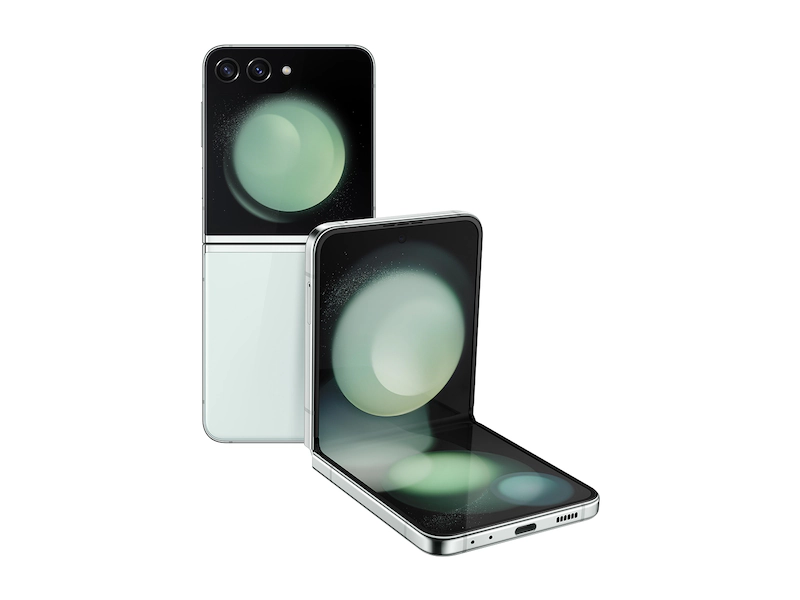
Samsung Galaxy ZFlip 5

The Samsung Galaxy Z Flip 5 is the fifth generation of Samsung’s flip phones and introduces several significant design updates. It features a much-improved 3.4-inch AMOLED outer display with a resolution of up to 720p, allowing you to use it for tasks like taking photos, managing notifications, and gaming. The phone is rated IPX8 for water resistance, and its aluminum frame is more robust this time. Inside, it has a 6.7-inch AMOLED display with a 120Hz refresh rate and 1080p resolution, protected by Gorilla Glass Victus 2. It operates on Android 13 and One UI 5.1.1, with up to 8GB of RAM and 512GB of storage. The primary camera is 12MP, and there’s a 10MP front camera capable of shooting 4K video. Additionally, it features a side-mounted fingerprint scanner and a 3700mAh battery.

Samsung Galaxy ZFlip 5 Quick Specs

  • Display Size: Cover Display – 3.4 Inner Display 6.7 inches (1080 x 2460)
  • Display Type: Foldable Dynamic AMOLED 2X, 120Hz
  • RAM and Storage: 8GB, 256 or 512 GB
  • Operating System: Android 13, One UI 5.1.1
  • Chipset: Snapdragon 8 Gen 2
  • Camera: 12MP + 12MP Selfie: 10MP
  • Battery: 3700mAh

Samsung Galaxy S23+

The Samsung Galaxy S23 Plus features a 6.6-inch AMOLED display with a 120Hz refresh rate and up to 1800 nits of brightness. With a 1080p resolution, it is among the best displays available on a smartphone under $800. The phone has a glass body with aluminum frames and an IP68 rating for dust and water resistance. It includes a quick under-display fingerprint scanner.

Powered by the Snapdragon 8 Gen 2, it offers 8GB of RAM and up to 512GB of storage. Running on Android 13 with One UI 5.1, the Galaxy S23 Plus boasts a 50MP primary camera and a 12MP front camera. Its 4700mAh battery supports 45W fast charging.

Samsung Galaxy S23+ 14 Quick Specs

  • Display Size: 6.6 inch (1080×2340)
  • Display Type: Dynamic AMOLED 2X
  • RAM and Storage: 8GB RAM & 256 or 512GB
  • Operating System: Android 13, One UI 5.1
  • Chipset: Snapdragon 8 Gen 2
  • Camera: 50MP + 10MP + 12MP Selfie: 12MP
  • Battery: 4700mAh

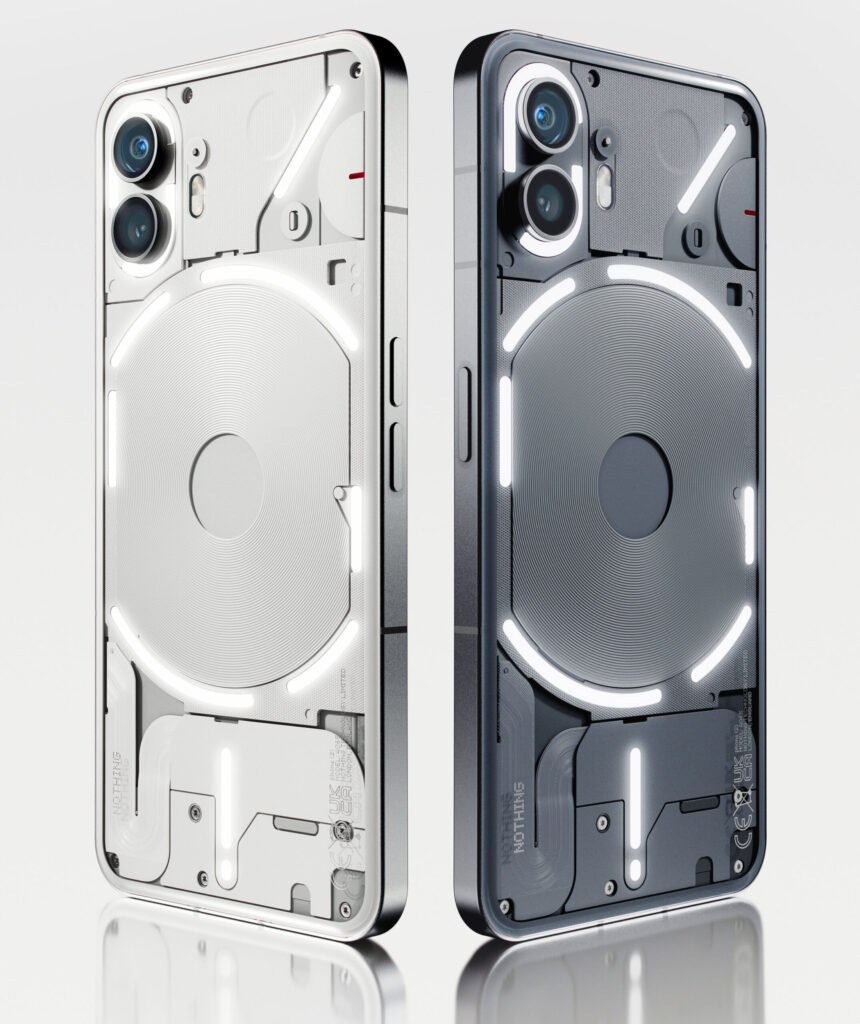
Nothing Phone 2

The Nothing Phone 2, the second-generation model from Nothing, maintains a design similar to its predecessor. It features multiple LED lights on the back for notifications and alerts, and comes with an improved aluminum frame and an IP54 water resistance rating. The slightly curved back enhances grip, while both the front and back are protected by Gorilla Glass.

The phone sports an LTPO OLED display with a 120Hz refresh rate and a 1080p resolution. It operates on Android 13 with Nothing OS 2.0 and is powered by the Snapdragon 8 Gen 1+, last year’s flagship chipset. It offers options of 8GB or 12GB of RAM and up to 512GB of storage. The rear camera setup includes dual 50MP sensors, and there is a 32MP front camera. The device is equipped with a 4700mAh battery that supports 45W fast charging.

Nothing Phone 2 Quick Specs

  • Display Size: 6.7 inches (1080 x 2460)
  • Display Type: LTPO OLED, 120Hz
  • RAM and Storage: 8GB, 256 or 512 GB
  • Operating System: Android 13, Nothing OS 2.0
  • Chipset: Snapdragon 8 Gen 1+
  • Camera: 50MP + 50MP Selfie: 32MP
  • Battery: 4700mAh

Samsung Galaxy S23

 The Samsung Galaxy S23 offers excellent value for under $800, competing closely with the Pixel 7 Pro and other rivals. It is powered by the Snapdragon 8 Gen 2, paired with 8GB of RAM and 256GB of storage. The phone features a premium glass build and a design similar to the Galaxy S23 Ultra. It has an aluminum frame and is rated IP68 for water and dust resistance.

With a 6.1-inch Dynamic AMOLED display, it’s compact and easy to use with one hand. The screen supports a 120Hz refresh rate and Full HD+ resolution, peaking at 1750 nits of brightness with an 86% screen-to-body ratio. The phone includes an ultrasonic under-display fingerprint scanner and a 3900mAh battery. Its triple camera system features a 50MP primary sensor and a 12MP selfie camera, capable of shooting 8K video with the rear camera and 4K video with the front camera. The Galaxy S23 is a premium device equipped with the latest smartphone technology.

Samsung Galaxy S23 Quick Specs

  • Display Size: 6.1 inches (1080 x 2340)
  • Display Type: Dynamic AMOLED 2X, 120Hz
  • RAM and Storage: 8GB RAM & 128, 256, or 512GB
  • Operating System: Android 13, One UI 5.1
  • Chipset: Snapdragon 8 Gen 2
  • Camera: 50MP + 10MP + 12MP Selfie: 12MP
  • Battery: 3900mAh

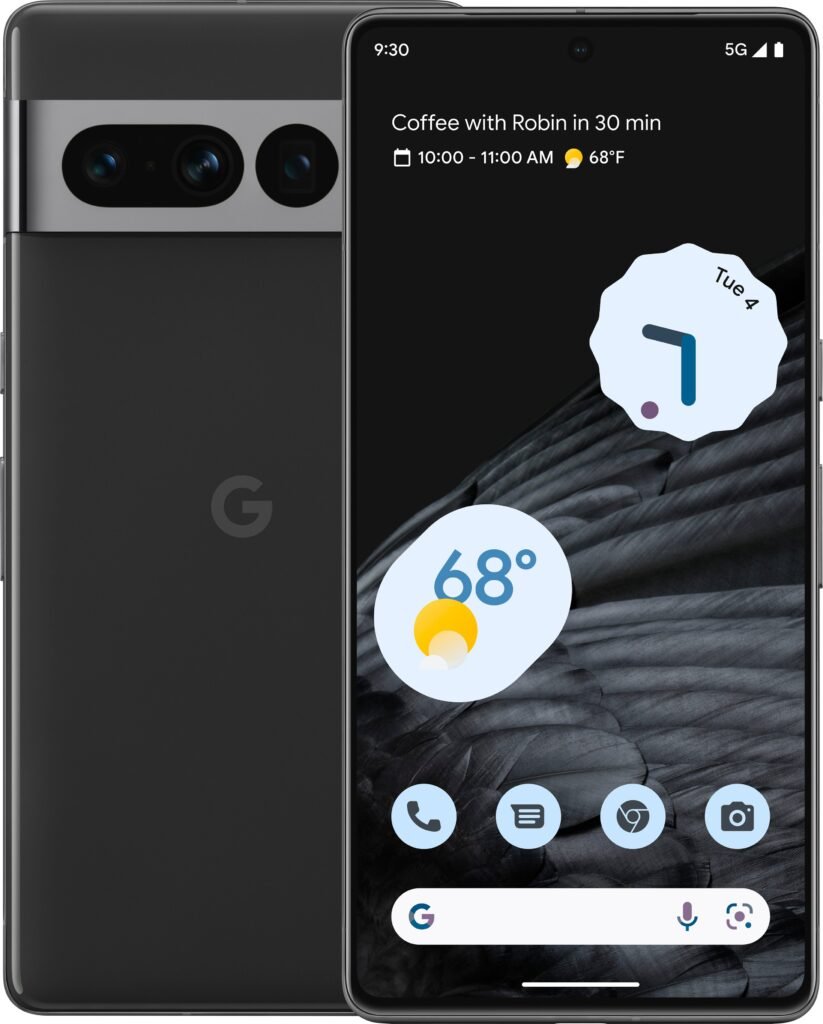
Google Pixel 7 Pro

The Google Pixel 7 Pro is a fantastic device offering one of the best phone cameras available for capturing high-quality images. Its video capabilities, however, are somewhat lacking. The phone is powered by the Tensor Gen 2 chipset, with options for up to 12GB of RAM and 512GB of storage. It runs on Android 13 and will receive up to four additional Android updates. The display is an LTPO AMOLED with a 120Hz refresh rate, 2K resolution, and features a fingerprint scanner. With a 5000mAh battery, it can easily last a full day on a single charge.

Google Pixel 7 Pro Quick Specs

  • Display Size: 6.7 inches (1440 x 3120)
  • Display Type: LTPO AMOLED, 120Hz
  • RAM and Storage: 8 or 12GB RAM & 128, 256, or 512GB
  • Operating System: Android 13
  • Chipset: Google Tensor G2
  • Camera: 50MP + 48MP + 12MP Selfie: 10.8MP
  • Battery: 5000mAh

OnePlus 11

The OnePlus 11 offers impressive performance. It features the Snapdragon 8 Gen 2 processor and comes in a variant with 16GB of RAM and 512GB of storage. Running on Android 13 with Oxygen OS 13, it boasts a 6.7-inch LTPO3 Fluid AMOLED display with a 120Hz refresh rate and 2K resolution.

The phone includes a fast in-display fingerprint scanner and a 50MP main camera, along with a 16MP selfie camera, both refined with Hasselblad’s expertise. It is equipped with a 5000mAh battery that supports 80W fast charging. However, it lacks wireless charging, which is a notable drawback.

OnePlus 11 Quick Specs

  • Display Size: 6.7 inches (1440 x 3216)
  • Display Type: LTPO3 Fluid AMOLED, 120Hz
  • RAM and Storage: 8, 12, or 16GB RAM & 128, 256, or 512GB
  • Operating System: Android 13, Oxygen OS 13
  • Chipset: Snapdragon 8 Gen 2
  • Camera: 50MP + 48MP + 32MP Selfie: 16MP
  • Battery: 5000mAh

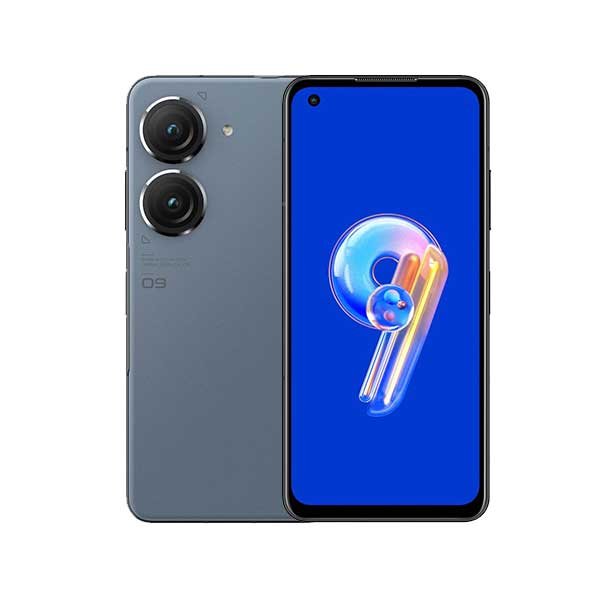
Asus Zenfone 9

Asus Zenfone 9

The Asus Zenfone 9 is a compact flagship phone available for $777, offering a model with 128GB of storage and 8GB of RAM. If you prefer smaller phones, the Zenfone 9 measures just 5.9 inches. It features a Super AMOLED display with a 120Hz refresh rate and a distinctive polymer back, which sets it apart from the usual glass-backed devices under $800. You can choose from a variety of colors, and it is a standout option among phones in this price range.

The phone includes a side-mounted fingerprint scanner and retains a headphone jack, unlike many other models. It boasts a 50MP primary camera with gimbal OIS and a 12MP selfie camera. The rear camera supports 8K video at 24fps, while the front camera records 4K video at 30fps. With a 4300mAh battery and 30W fast charging.

Asus Zenfone 9 Quick Specs

  • Display Size: 5.9 inches, (1080 x 2400)
  • Display Type: Super AMOLED, 120Hz
  • RAM and Storage: 8GB RAM & 128GB Storage
  • Operating System: Android 12, ZenUI
  • Chipset: Snapdragon 8+ Gen 1
  • Camera: 50MP + 12MP Selfie: 12MP
  • Battery: 4300mAh

Asus Zenfone 10

The Asus Zenfone 10 retains a similar design to last year’s Zenfone 9, which earned the MKBHD compact phone award. ASUS has made minimal upgrades with the Zenfone 10, featuring a 5.92-inch Super AMOLED display with a 144Hz refresh rate and 1080p resolution. However, the high refresh rate is only available in games that support it.

It is equipped with the Snapdragon 8 Gen 2, a 50MP primary camera, and a 32MP selfie camera. The phone offers options of 8GB or 16GB of RAM and up to 512GB of storage. It includes a side-mounted fingerprint scanner, a 3700mAh battery, and supports 30W fast charging. The battery is sufficient for a full day of minimal use.

Asus Zenfone 10 Quick Specs

  • Display Size: 5.92 inches (1080 x 2400)
  • Display Type: Super AMOLED, 144Hz
  • RAM and Storage: 8 or 16GB, 256 or 512 GB
  • Operating System: Android 13
  • Chipset: Snapdragon 8 Gen 2
  • Camera: 50MP + 13MP Selfie: 32MP
  • Battery: 3700mAh

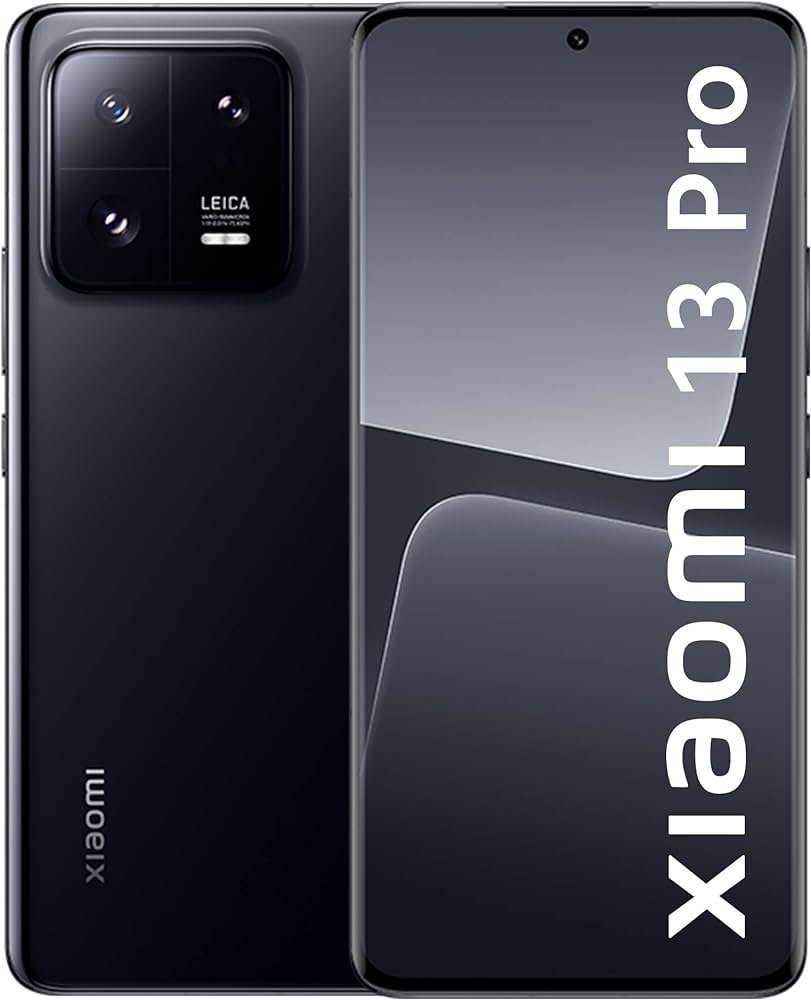
Xiaomi 13 Pro

Xiaomi 13 Pro phones

The Xiaomi 13 Pro is one of the top flagship phones of 2024, priced under $800 and offering exceptional value. It features a premium ceramic or polymer finish and an IP68 rating for dust and water resistance. The phone has a boxy design with slightly curved edges on its LTPO AMOLED display, which supports a 120Hz refresh rate.

The display rivals, if not surpasses, the quality of the Samsung Galaxy S23 Ultra. It runs on Android 13 with MIUI 14 as the user interface. The device comes with options of 12GB or 8GB of RAM and up to 512GB of storage. It boasts three 50MP rear cameras and a 32MP front camera, capable of shooting 8K videos. Additionally, it has a 4820mAh battery that supports 120W fast charging, allowing it to go from 0 to 100% in under 20 minutes.

Xiaomi 13 Pro Quick Specs

  • Display Size: 6.73 inches (1440 x 3200)
  • Display Type: LTPO AMOLED, 120Hz
  • RAM and Storage: 8 or 16GB, 256 or 512 GB
  • Operating System: Android 13, MIUI 14
  • Chipset: Snapdragon 8 Gen 2
  • Camera: 50MP + 50MP + 50MP Selfie: 32MP
  • Battery: 4820mAh

Google Pixel 8 ProExtra- Most Used Phones in 2024

Google is among the companies that aim to offer high-quality phones at affordable prices. Recently, Google lowered the price of the Pixel 8 series, possibly due to the festive season. Both the Pixel 8 and Pixel 8 Pro are impressive smartphones. Let’s review their specifications.

Google Pixel 8 Pro specifications

  • Display Size: 6.2 & 6.7 inches (1080 x 2400) & 1344 x 2992
  • Display Type: LTPO AMOLED, 120Hz
  • RAM and Storage: 8 or 12GB RAM & 128, 256, or 512GB
  • Operating System: Android 13
  • Chipset: Google Tensor G3
  • Camera: 50MP + 12MP + 12MP Selfie: 10.8MP
  • Battery: 5000mAh

Conclusion

As we wrap up our exploration of the top 10 most used phones in 2024, it’s clear that this year’s smartphone landscape is marked by a blend of innovation, performance, and value. From high-end flagships that push the boundaries of technology to affordable models that offer impressive features for budget-conscious consumers, these phones reflect the diverse needs and preferences of today’s users. Whether driven by cutting-edge advancements, exceptional camera capabilities, or long-lasting battery life, each device on our list has earned its place through widespread adoption and user satisfaction. As we look ahead, these top phones not only set the standard for current technology but also hint at the exciting developments yet to come.

Top 5 Best Foldable Phones in 2024

0

Introduction

Foldable phones, once a vision of the future, are now a reality with rapidly evolving features. In 2024, these devices are more advanced, versatile, and stylish than ever. They combine cutting-edge technology with the convenience of a compact design. If you’re interested in the newest foldable smartphones, you’ve come to the right place. Here’s an overview of this year’s top foldable phones, showcasing their standout features and specifications.

Here Are The Top 5 Best Foldable Phones in 2024

Must Read:Top 10 Best 4GB RAM Phones in 2023

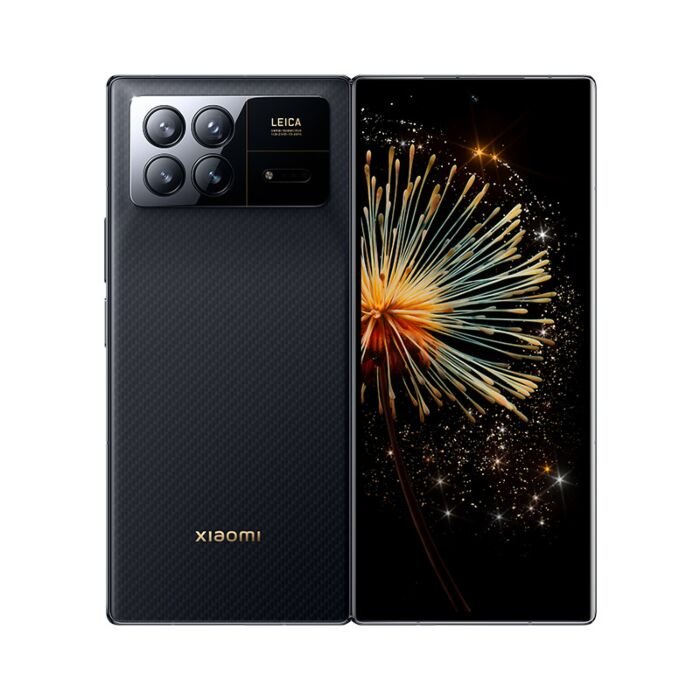
Xiaomi Mix Fold 3

Xiaomi Mix Fold 3 phone

Xiaomi’s Mix Fold 3 is making headlines with its cutting-edge design and impressive features. It offers a 6.5-inch outer display and a generous 8.3-inch inner screen, providing a versatile experience whether the phone is folded or unfolded. The Mix Fold 3 boasts advanced hinge technology and a high-quality AMOLED display, delivering vibrant colors and deep blacks. With a powerful processor and ample RAM, it ensures smooth performance for all your apps and games. Xiaomi’s emphasis on durability and design positions the Mix Fold 3 as a strong contender in the foldable phone market.

Xiami Mix Fold Specifications

Dimensions :  Unfolded: 161.2 x 143.3 x 5.3 mm Folded: Folded: 161.2 x 73.5 x 10.9 mm

Weight : 255 g or 259 g (8.99 oz) 

Build: Glass front (folded), plastic front (unfolded), glass back or aramid fiber back, aluminum frame

Sim: Dual SIM (Nano-SIM, dual stand-by)

Display Type: Foldable LTPO OLED+, 1B colors, 120Hz, HDR10+, Dolby Vision, 1300 nits (peak) 

Size: 8.03 inches, 206.5 cm2 (~89.4% screen-to-body ratio)

Resolution: 1916 x 2160 pixels (~360 ppi density)

Cover display: AMOLED, 120Hz, HDR10+, Dolby Vision, 2600 nits (peak)6.56 inches, 1080 x 2520 pixels, 21:9 ratio Corning Gorilla Glass Victus 2

OS: Android 13, MIUI Fold 14

Chipset: Qualcomm SM8550-AC Snapdragon 8 Gen 2 (4 nm)

CPU: Octa-core (1×3.36 GHz Cortex-X3 & 2×2.8 GHz Cortex-A715 & 2×2.8 GHz Cortex-A710 & 3×2.0 GHz Cortex-A510)

Internal Memory: 256GB 12GB RAM, 512GB 16GB RAM, 1TB 16GB RAM

Main Camera quad : 50 MP, f/1.8, 23mm (wide), 1/1.49″, 1.0µm, PDAF, OIS

10 MP, f/2.0, 75mm (telephoto), PDAF, OIS, 3.2x optical zoom

10 MP, f/2.9, 115mm (telephoto), PDAF, OIS, 5x optical zoom

12 MP, f/2.2, 15mm, 120˚ (ultrawide)

Video: 8K@24fps, 4K@24/30/60fps, 1080p@30/60/120/240/960/1920fps, Dolby Vision HDR

Front/Selfie Camera :20 MP, f/2.3, 23mm (wide)

Video: 1080p@30/60fps 

Battery : Li-Po 4800 mAh, non-removable

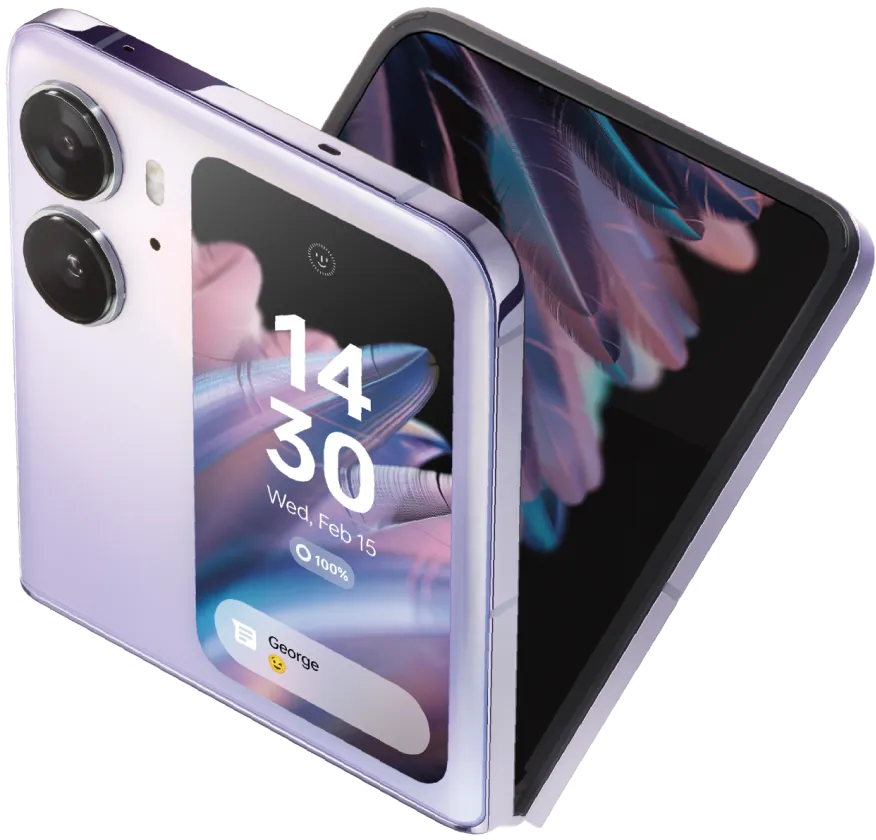
Oppo Find N2

Oppo’s Find N2 is a revolutionary addition to the foldable phone market, introducing a compact design that enhances portability compared to many competitors. When unfolded, it features a 7.1-inch screen, providing ample space for various tasks while remaining pocket-friendly when folded. The Find N2’s hinge technology is notable for delivering a smooth, crease-free screen experience. Its high-quality camera system and overall performance further position it as an ideal choice for those seeking a balance between size and functionality.

Oppo Find N2 Specifictations

Dimensions: Unfolded: 132.2 x 140.5 x 7.4 mm Folded: 132.2 x 72.6 x 14.6 mm

Build: Glass front (Gorilla Glass Victus) – folded, plastic front – unfolded, glass back (Gorilla Glass Victus) or eco leather back, aluminum frame

Sim: Dual SIM (Nano-SIM, dual stand-by)

Display Type : Foldable LTPO AMOLED, 120Hz, HDR10+, 1200 nits (HBM), 1550 nits (peak)

Size: 7.1 inches, 162.2 cm2 (~87.3% screen-to-body ratio)

Resolution: 1792 x 1920 pixels (~370 ppi density)

Cover display:  AMOLED, 120Hz, Corning Gorilla Glass Victus

OS: Android 13, ColorOS 13

Chipset: Qualcomm SM8475 Snapdragon 8+ Gen 1 (4 nm)

CPU: Octa-core (1×3.0 GHz Cortex-X2 & 3×2.75 GHz Cortex-A710 & 4×2.0 GHz Cortex-A510)

Internal Memory: 256GB 12GB RAM, 512GB 16GB RAM

Main Camera Triple: 50 MP, f/1.8, 24mm (wide), 1/1.56″, 1.0µm, multi-directional PDAF, OIS

32 MP, f/2.0, 47mm (telephoto), 1/2.74″, 0.8µm, 2x optical zoom, PDAF

48 MP, f/2.2, 14mm, 115˚ (ultrawide), 1/2″, 0.8µm, AF

Video: 4K@30/60fps, 1080p@30/60/240fps, gyro-EIS, HDR

Selfie Camera : 32 MP, f/2.4, 22mm (wide), 1/3.14″

Video: 1080p@30fps, gyro-EIS

Battery: Endurance rating 83h

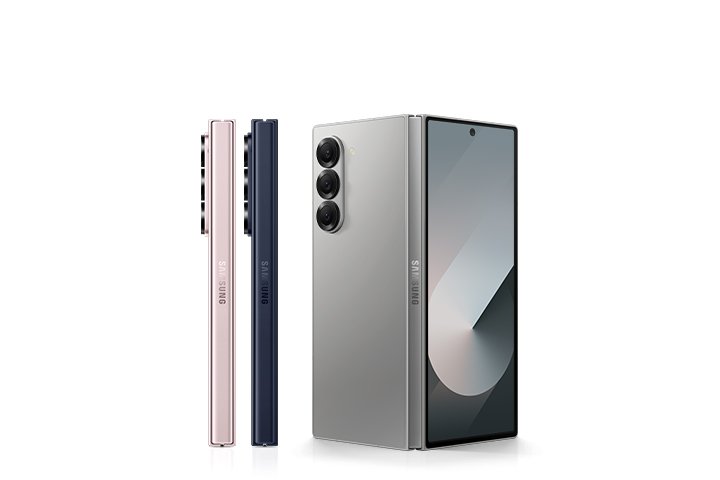
Samsung Galaxy Z Fold 6

Samsung remains at the forefront of the foldable market with its Galaxy Z Fold series, enhancing its previous models with new, attractive features. The Z Fold 6 boasts a striking 7.6-inch main display that expands into a tablet-sized screen, ideal for multitasking. It incorporates Samsung’s latest hinge technology, enhancing durability and reducing visibility. The under-display camera provides a smooth screen experience, while the improved battery life and faster charging address previous model concerns.

Samsung Galaxy Z Fold 6 Specifications

Dimension: Unfolded: 153.5 x 132.6 x 5.6 mm Folded: 153.5 x 68.1 x 12.1 mm

Build:Glass front (Gorilla Glass Victus 2) (folded), plastic front (unfolded), glass back (Gorilla Glass Victus 2), aluminum frame

Sim:Up to two Nano-SIM and multi eSIM

Display Type:Foldable Dynamic LTPO AMOLED 2X, 120Hz, HDR10+, 2600 nits (peak)

Size: 7.6 inches, 185.2 cm2 (~91.0% screen-to-body ratio)

Resolution: 1856 x 2160 pixels (~374 ppi density)

Cover display: Dynamic LTPO AMOLED 2X, 120Hz, 2600 nits (peak), Corning Gorilla Glass Victus 2 , 6.3 inches, 968 x 2376 pixels, 410 ppi

OS: Android 14, One UI 6.1.1

Chipset: Qualcomm SM8650-AC Snapdragon 8 Gen 3 (4 nm)

CPU: 8-core (1×3.39GHz Cortex-X4 & 3×3.1GHz Cortex-A720 & 2×2.9GHz Cortex-A720 & 2×2.2GHz Cortex-A520)

Internal Memory: 256GB 12GB RAM, 512GB 12GB RAM, 1TB 12GB RAM

Main Camera Triple: 50 MP, f/1.8, 23mm (wide), 1.0µm, dual pixel PDAF, OIS

10 MP, f/2.4, 66mm (telephoto), 1.0µm, PDAF, OIS, 3x optical zoom

12 MP, f/2.2, 123˚, 12mm (ultrawide), 1.12µm

Video:8K@30fps, 4K@60fps, 1080p@60/120/240fps (gyro-EIS), 720p@960fps (gyro-EIS), HDR10+

Selfie Camera: 4 MP, f/1.8, 26mm (wide), 2.0µm, under display

Video Camera: 4K@30/60fps, 1080p@30/60fps, gyro-EIS

Battery: Active use score 11:31h

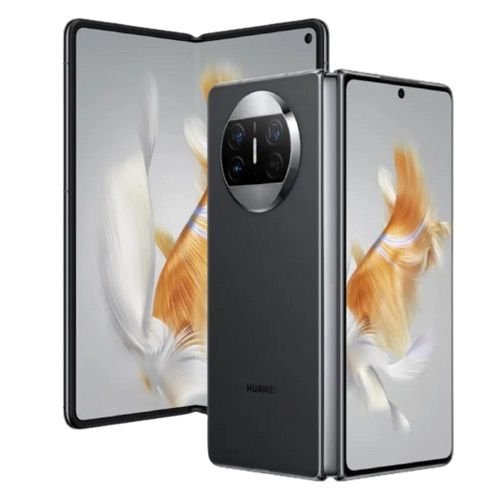
Huawei Mate X3

Huawei’s Mate X3 takes a unique approach to foldable design with its outward-folding screen. When folded, it features a sleek, uninterrupted display on the outside, allowing you to check notifications or answer calls without opening the phone. When unfolded, it reveals a spacious 8-inch screen, perfect for watching videos or working on documents. The Mate X3 is distinguished by its excellent build quality and high-performance cameras, making it an appealing choice for those who prioritize both style and functionality. It also supports 5G connectivity for fast internet speeds wherever you are.

For optimal internet connectivity with high speeds and access to a wide range of online content, consider using a virtual private network (VPN). A service like VPN for Chrome will secure your online activity with encryption and provide access to content that might be restricted due to geo-blocking.

Huawei Mate X3 Specifications

Dimension: Unfolded: 156.9 x 141.5 x 5.3 mm Folded: 156.9 x 72.4 x 11.1 mm

Build: Glass front, glass back or eco leather back, aluminum frame

Sim: Hybrid Dual SIM (Nano-SIM, dual stand-by)

Display: Foldable OLED, 1B colors, 120Hz

Size: 7.85 inches, 197.5 cm2 (~88.9% screen-to-body ratio)

Resolution: 2224 x 2496 pixels (~426 ppi density)

OS:HarmonyOS 3.1 (China), EMUI 13.1 (Europe), no Google Play Services

Chipset: Qualcomm SM8475 Snapdragon 8+ Gen 1 4G (4 nm)

CPU: Octa-core (1×3.19 GHz Cortex-X2 & 3×2.75 GHz Cortex-A710 & 4×2.0 GHz Cortex-A510)

Internal Memory: 256GB 12GB RAM, 512GB 12GB RAM, 1TB 12GB RAM

Main Camera Triple: 0 MP, f/1.8, 23mm (wide), PDAF, Laser AF, OIS

12 MP, f/3.4, 125mm (periscope telephoto), PDAF, OIS, 5x optical zoom

13 MP, f/2.2, 13mm (ultrawide), AF

Video: 4K@30/60fps, 1080p@30/60fps, gyro-EIS

Selfie Camera: 8 MP, f/2.4, (wide) Cover camera: 8 MP, f/2.4, (wide)

Video: 4K@30fps, 1080p@30fps

Battery: Endurance rating 81h

Motorola Razr 2024

The Motorola Razr 2024 offers a contemporary twist on the classic flip phone. Blending nostalgic design with modern technology, it features a compact, foldable device. When closed, it provides a small external screen for quick notifications and controls. Open it up to reveal a full-sized 6.9-inch display, ideal for browsing or streaming. The updated Razr includes an enhanced camera system, improving on issues found in earlier models. It’s a great option for those seeking a foldable phone with a hint of retro appeal.

Motorola Razr 2024 Specifications

Dimension: Unfolded: 171.3 x 74 x 7.3 mm Folded: 88.1 x 74 x 15.9 mm

Build: Plastic front (unfolded), glass front (folded, Gorilla Glass Victus), silicone polymer back (eco leather), aluminum frame (6000 series), hinge (stainless steel)

Sim: Nano-SIM, eSIM

Display Type : Foldable LTPO AMOLED, 1B colors, 120Hz, HDR10+, 3000 nits (peak)

Size: 6.9 inches, 107.6 cm2 (~84.9% screen-to-body ratio)

Resolution: 1080 x 2640 pixels (~413 ppi density)

OS: Android 14

Chipset: Mediatek Dimensity 7300X (4 nm)

CPU: Octa-core (4×2.5 GHz Cortex-A78 & 4×2.0 GHz Cortex-A55)

Internal Memory: 256GB 8GB RAM

Main Camera Dual : 50 MP, f/1.7, (wide), 1/1.95″, 0.8µm, dual pixel PDAF, OIS

13 MP, f/2.2, 120˚ (ultrawide), 1/3.0″, 1.12µm, AF

Video: 4K@30fps, 1080p@30/60fps, gyro-EIS

Selfie Camera: 32 MP, f/2.4, (wide), 0.7µm

Video: 4K@30fps, 1080p@30/60fps

Battery: 4200 mAh, non-removable

Conclusion

Foldable phones in 2024 highlight the significant advancements in mobile technology. These devices have evolved from novelties to practical tools that enhance both work and leisure. Whether you’re seeking a compact device with tablet functionality or one that adds a touch of nostalgia, there’s a foldable phone suited to your needs.

The Ultimate Guide To Family Business Growth

0

Introduction 

Navigating the journey of growing a family-owned business presents a unique set of opportunities and challenges. This guide is designed to provide you with practical insights and strategies to help your family business thrive. From leveraging the strong foundation of trust and shared history to managing the intricacies of family dynamics. Whether you’re looking to expand operations, enhance management practices, or balance family and business life, this guide offers valuable advice and proven techniques to support your goals and ensure the long-term prosperity of your family enterprise.

In the early stages of family-owned startups, risks can be particularly significant. Relatives might become caught up in the excitement of the new venture without a clear understanding of their roles as the business progresses. If family members are involved in your startup, it’s important to clarify compensation, exit strategies, and other details from the outset to avoid potential issues. After considerable personal reflection, we have identified 12 key essentials for maintaining the right balance when starting a family business.

Must Read:Highlights from the Small Business Big Doings Workshop 2.0

Here Are 12 Key Guidelines To Running a Successful Family Business

Here Are 12 Key Guidelines To Running a Successful Family Business

1. Establish clear boundaries

Family members involved in a business can easily discuss work constantly, but blending business with personal and home life can create tension. Try to limit business conversations to the office and avoid bringing them up during family events like weddings or funerals whenever possible.

2. Establish clear and regular methods of communication

Conflicts and differing opinions are unavoidable and may already be apparent. Consider holding weekly meetings to review progress, address disagreements, and resolve any disputes.

3. Assign roles and responsibilities.

Although several relatives may be qualified for similar tasks, it’s important to assign duties clearly to prevent conflicts. Major decisions can be made collectively, but debating every small detail can hinder the family business.

4. Handle it like a business.

A frequent mistake in family businesses is prioritizing “family” over “business.” The traits that make a business successful may not always align with maintaining family harmony, so be prepared to address these situations when they occur.

5. Recognize the advantages of family ownership.

Family-owned businesses have distinct advantages, such as access to human capital in the form of family members. This can be crucial for survival, as relatives may provide low-cost or free labor and emergency loans. Additionally, family-run businesses managed by trusted relatives can often bypass the need for specialized accounting systems, policy manuals, and legal documents.

6. Ensure fairness with family members.

While some experts recommend avoiding the hiring of relatives, doing so would forfeit one of the significant advantages of a family business. Many small family-owned companies have thrived thanks to the hard work and dedication of family members. Qualified relatives can be a valuable asset to your business. However, it’s important to avoid favoritism. Ensure that pay scales, promotions, work schedules, criticism, and praise are handled fairly for both family and non-family employees, without setting different standards for relatives.

7. Document business relationships in writing.

Family members can easily become involved in a business startup without clear expectations about their roles and benefits. To prevent misunderstandings or resentment, put everything in writing, including details on compensation, ownership shares, responsibilities, and other relevant matters.

 8. Avoid offering jobs to family members out of sympathy.

Don’t make your family business a fallback option for your kids, cousins, or other relatives. Employment should be based on the skills and knowledge they can contribute to the business.

9. Draw clear management lines.

Family members who have a current or anticipated ownership stake in the family business may be inclined to reprimand employees who do not report to them, which can create resentment among the staff.

10. Seek outside advice.

The decision-making process in a growing family business can sometimes become too insular, with new ideas and creative solutions getting overshadowed by family dynamics. Consulting outside advisors who are not connected to the family can provide a valuable reality check and introduce fresh perspectives.

11. Develop a succession plan.

A family business without a formal succession plan is inviting potential issues. The plan should clearly outline how and when leadership will transition to the next generation. It must be financially sound for both the business and the retiring family members. Many family businesses benefit from seeking professional advice to develop a comprehensive plan for the future.

12. Require outside experience first.

If your children will be joining the business, ensure they gain three to five years of experience in another industry first, preferably one unrelated to your own. This will provide them with a valuable perspective on how the business world operates beyond a family context.

Read Also:Top 7 Recommended Java Tools For You in 2024

Conclusion

Running a successful family business can be both fulfilling and demanding. Key factors for success include clear communication, a unified vision, and strong family values. Family businesses benefit from a shared history and trust, which can help them handle challenges effectively. However, it is crucial for owners to establish clear boundaries between work and family life to prevent conflicts and ensure the business’s success. With the right approach and mindset, family businesses can flourish and offer pride and financial stability for generations.

Starting a company is challenging enough without the additional complexities of family dynamics. However, a family businesses offer significant advantages, such as a committed group of people supporting your effort. If your startup is a family business, it’s important to take extra measures to prevent burnout, maintain harmony at work, and seek guidance from outside business experts.