back to top
Home Blog Page 4

The Top 5 Biggest Pros and Cons of Social Media Marketing

0

In today’s digital landscape, social media marketing (SMM) remains a vital tool for businesses seeking to connect with their audience. However, like any marketing strategy, SMM has its strengths and weaknesses. Without wasting much time, lets go straight into the top 5 pros and cons of social media marketing to help you navigate its potential and challenges.

Here Are The Top 5 Pros and Cons of Social Media Marketing

Must Read:The 4 Use Cases for Cryptocurrency in 2025
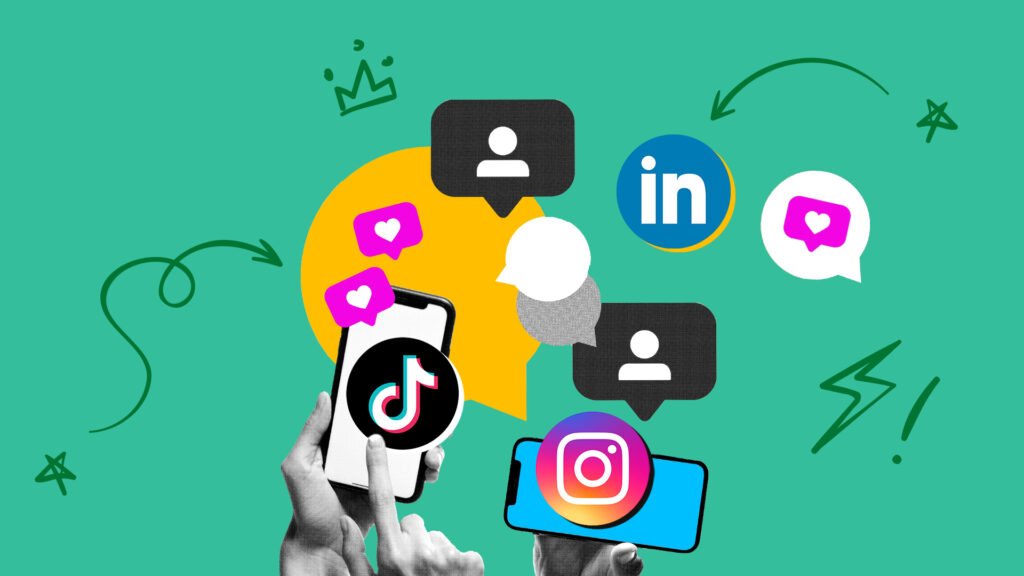
Here Are The Top 5 Pros and Cons of Social Media Marketing

The 5 Pros of Social Media Marketing  

1. Increased Brand Awareness  

With billions of users on platforms like Facebook, Instagram, and TikTok, social media offers unparalleled opportunities to reach a vast audience. A well-executed strategy can elevate your brand visibility and foster recognition.  

2. Enhanced Customer Engagement 

Social media allows businesses to interact directly with their audience through comments, messages, and live events. This immediacy builds trust, loyalty, and deeper customer relationships.  

3. Precise Targeting Options  

Platforms like Facebook and LinkedIn provide robust targeting tools, enabling businesses to reach specific demographics, interests, or behaviors. This precision improves the effectiveness of campaigns.  

4. Cost-Effectiveness  

Creating a social media profile is free, and even paid advertising can be budget-friendly. Small businesses, in particular, can see significant returns with limited investments.  

5. Valuable Market Insights  

Social media analytics tools provide businesses with actionable data about customer behavior, preferences, and campaign performance, making it easier to refine strategies.  

The 5 Cons of Social Media Marketing  

1. Oversaturation of Content  

With millions of businesses competing for attention, standing out in an oversaturated market can be daunting, requiring creativity and constant innovation.  

2. Time-Consuming  

Developing engaging content, monitoring campaigns, and responding to customer inquiries demand significant time and effort. Without proper resources, businesses can struggle to keep up.  

3. Algorithm Changes 

Frequent platform algorithm updates can impact the visibility of organic posts, forcing businesses to invest more in paid advertising to maintain reach.  

4. Risk of Negative Feedback  

Social media gives customers a public platform to voice complaints, which, if mishandled, can harm a brand’s reputation.  

5. Dependence on Platforms  

Reliance on third-party platforms comes with risks, including policy changes, ad restrictions, or account suspensions that can disrupt business operations.  

Balancing the Pros and Cons  

Social media marketing offers incredible potential, but its effectiveness hinges on strategic execution. Businesses should:  

– Stay adaptable to platform changes.  

– Invest in content creation and data analysis.  

– Monitor campaigns and customer feedback.  

While challenges like oversaturation and negative feedback exist, businesses that stay proactive and customer-focused can reap the benefits of SMM, including better customer relationships and increased ROI.  

The Integration of Social Media Marketing (SMM) and Web 3.0  
The Integration of Social Media Marketing (SMM) and Web 3.0  

The integration of Web 3.0 and social media marketing is set to transform the digital landscape. Four key areas are expected to play a crucial role:  

– Decentralized Social Platforms: Web 3.0’s focus on decentralization aligns with the rise of decentralized social media platforms. These platforms empower users by giving them greater control over their data while reducing reliance on intermediaries.  

– Tokenization and Cryptocurrency: The introduction of tokenization and cryptocurrencies in Web 3.0 opens up opportunities for incentivizing user engagement. Businesses can reward users with tokens for interacting with their content or campaigns.  

– NFTs (Non-Fungible Tokens): NFTs, unique digital assets tied to content or experiences, are becoming increasingly popular. Social media marketing can use NFTs to drive engagement and offer exclusive promotions or rewards.  

– Enhanced User Experience: Web 3.0 technologies will enable more personalized and user-centric social media experiences. This advancement will improve content discovery, increase engagement, and deliver greater value to users.  

By incorporating these innovations, SMM will evolve into a more dynamic and user-focused strategy in the Web 3.0 era.

Conclusion  

As social media continues evolving with AI, automation, and even Web 3.0 technologies like blockchain, marketers must stay ahead of trends. By integrating these innovations and partnering with experts, businesses can refine their strategies and maintain a competitive edge.  

Are you ready to take your social media marketing to the next level? Partner with professionals, plan strategically, and turn challenges into opportunities.

The 4 Use Cases for Cryptocurrency in 2025

0

In 2024, the cryptocurrency ecosystem, led by Bitcoin, underwent a transformative phase with the launch of the first Bitcoin and Ethereum ETFs, signaling growing institutional acceptance. Bitcoin’s value surpassed $100,000, while stablecoins reinforced the global dominance of the US dollar.

Looking ahead, the next twelve months hold great promise. Experts foresee stablecoin adoption surging in 2025, potentially exceeding $400 billion. Meanwhile, Bitcoin is evolving beyond a store of value, with Layer 2 networks such as Stacks, BOB, Babylon, and CoreDAO fostering the development of a robust Bitcoin DeFi ecosystem.

As for mainstream adoption, cryptocurrencies remain relatively niche, often inaccessible to those unfamiliar with the technology’s complexities. However, they offer diverse applications, from investments to smart contracts and everyday transactions.

Must Read:The Best 7 Business Finance Apps in 2025

How Cryptocurrency Works

How Cryptocurrency Works

Cryptocurrencies operate on a decentralized public ledger known as a blockchain, which records all transactions and is maintained by currency holders.  

Cryptocurrency units are created through a process called *mining*, where powerful computers solve complex mathematical equations to generate coins. Alternatively, users can purchase cryptocurrencies through brokers and store or spend them using cryptographic wallets.  

Owning cryptocurrency doesn’t mean holding a physical asset. Instead, you hold a private key, which enables you to transfer a unit of currency or record on the blockchain from one person to another, bypassing the need for a trusted third party.  

Although Bitcoin, the first cryptocurrency, has existed since 2009, blockchain technology and cryptocurrency applications are still in their infancy. In the future, blockchain could facilitate transactions involving bonds, stocks, and other financial assets.  

Examples of Cryptocurrencies 

1. Bitcoin (BTC): 

   – Launched in 2009, Bitcoin is the first and most widely traded cryptocurrency.  

   – It was created by Satoshi Nakamoto, a pseudonym for an individual or group, whose identity remains a mystery.  

2. Ethereum (ETH):  

   – Introduced in 2015, Ethereum is both a blockchain platform and a cryptocurrency called Ether.  

   – It is the second most popular cryptocurrency after Bitcoin and is widely used for decentralized applications and smart contracts.  

Here Are The 4 Use Cases for Cryptocurrency in 2024

Online Purchases


Bitcoin’s acceptance by businesses worldwide continues to grow. Over 15,000 companies, including around 2,300 in the U.S., now accept Bitcoin alongside traditional payment methods. Major corporations like AT&T, Microsoft, and AXA Insurance have paved the way by integrating cryptocurrency into their payment systems. Tesla, though initially experimenting with Bitcoin, currently accepts Dogecoin for select products in its online store.

iGaming


The online gambling industry has embraced cryptocurrencies due to their decentralized nature, enabling faster, secure, and anonymous transactions. Popular platforms accept Bitcoin, Ethereum, and Litecoin for games like poker, slots, and emerging genres such as “crash games,” inspired by crypto’s volatility. Blockchain technology also enhances transparency and fairness through provably fair algorithms, appealing to players seeking privacy and security.

Philanthropic Donations


Nonprofits are increasingly accepting cryptocurrency donations. In 2024, organizations like the Red Cross, Habitat for Humanity, and WaterAid joined this trend, enabling donors to contribute using Bitcoin, Ethereum, and Litecoin. Fidelity Charitable, for instance, received $688 million in crypto donations last year, underscoring the growing popularity of crypto-based philanthropy.

Smart Contracts


Smart contracts power decentralized applications (dApps) and tokens, revolutionizing industries like finance, logistics, and gaming. They enable decentralized finance (DeFi) platforms like Uniswap and Compound, which allow users to trade, lend, and borrow cryptocurrencies without intermediaries, reducing costs and enhancing accessibility. Stablecoins like USDC also leverage smart contracts to maintain value, providing a reliable digital currency for transactions.

Conclusion


From finance to gaming and philanthropy, cryptocurrencies are reshaping industries and redefining daily interactions. With innovations like smart contracts and DeFi expanding their utility, the integration of digital currencies into mainstream life appears increasingly promising. As platforms like Bitcasino demonstrate, cryptocurrencies are poised to play a pivotal role in our evolving digital landscape.

The Best 7 Business Finance Apps in 2025

0

The basics of financial management remain constant: monitoring cash flow, reducing costs, and maximizing profitability. However, technological advancements make managing finances easier, faster, and more effective. Here’s a refreshed and detailed guide to the best finance apps in 2025.

Why Finance Apps Are Essential in 2025

Finance apps in 2025 leverage advanced features like AI, machine learning, and real-time analytics, making them indispensable for businesses and individuals. These tools provide personalized financial insights, facilitate streamlined operations, and ensure data security with features like biometric authentication and two-factor verification,This is your guide to finance apps you should go for in 2025.

Must Read:The Best Phones Under 150k (Naira) in 2024

The Top Finance Apps to Watch in 2025

1. Transfy

Sending money across Africa often involves challenges like delayed transactions, high exchange rates, and lengthy paperwork. However, fintech platforms such as Transfy are simplifying the process for individuals and businesses.

Transfy offers a personal finance app that enables seamless money transfers across African countries and beyond. With this app, users can send money effortlessly from Nigeria to Ghana, Kenya, Uganda, Cameroon, Senegal, Ivory Coast, South Africa, Rwanda, and more.

The platform stands out by offering cost-effective international transfers and near-instant cross-border payments. Transfy’s multicurrency wallet allows users to send, receive, and switch between currencies like KES, GHC, NGN, UGX, XOF, XAF, ZAR, and RWF with ease.

When it comes to security, Transfy employs advanced measures, including bank-grade encryption and multi-factor authentication, to ensure safe and secure transactions. Users can confidently use the platform without concerns about fraud or data breaches.

Additionally, Transfy facilitates instant deposits and withdrawals to local banks and mobile money services. This makes it easy for users to pay bills, book flights, and handle hotel reservations across Africa. Whether shopping online, paying tuition fees, or sending money to loved ones, Transfy simplifies cross-border transactions.

If you’re tired of high fees and delays with international transfers, Transfy offers a reliable, low-cost, and user-friendly solution that you can trust.

2. QuickBooks

QuickBooks continues to dominate with features like income and expense tracking, invoicing, payroll management, and real-time financial reporting. It integrates with platforms like PayPal, Shopify, and more, making it a comprehensive tool for small businesses. QuickBooks Self-Employed is especially useful for freelancers, offering tax estimation and mileage tracking.

3. FreshBooks

Known for its simplicity, FreshBooks is a cloud-based app offering time tracking, invoicing, and double-entry accounting. It supports collaboration by enabling secure document sharing and integrates with tools like Stripe and HubSpot. FreshBooks’ user-friendly interface makes it ideal for startups and freelancers. 

4. PiggyvestTop Finance Apps to Watch in 2025

Piggyvest functions like a traditional piggy bank but in a virtual and highly advanced form, providing a smarter way to save and invest.

This Nigerian fintech platform empowers users to manage their savings and investments effortlessly. While traditional banks offer limited interest on savings, it provides a seamless and more rewarding alternative.

One of Piggyvest’s standout features is its strict withdrawal policy, which ensures users stick to their financial goals. Whether saving for tuition, rent, vacations, holiday shopping, or even relocation plans, Piggyvest keeps users committed through reminders, reports, and alerts that track progress.

Piggyvest isn’t just about savings,it helps users grow their wealth through diverse investment opportunities. The platform allows individuals to invest in areas like real estate, agriculture, company shares, foreign exchange, and other high-yield assets, all at competitive rates.

For anyone seeking a secure and efficient platform to achieve their financial goals, Piggyvest offers a safe and innovative solution for both saving and investing.

5. Xero

A favorite for small and medium-sized businesses, Xero combines invoicing, inventory tracking, and expense management in one app. It offers integrations with over 800 third-party platforms, including Dropbox and PayPal, and includes multi-currency support for global businesses.

6. Wave

Wave offers a cost-effective option, as its core features are free. It includes invoicing, receipt scanning, and expense tracking. Small businesses just starting can also use its pay-as-you-go credit card processing feature. Although it lacks some advanced features, it’s perfect for budget-conscious users.

7. Bill.com

Specialized for managing accounts payable and receivable, Bill.com helps automate payment workflows, set reminders, and sync with QuickBooks and Xero. It is a great companion app for businesses looking to optimize cash flow.

Emerging Finance Apps to Explore

– Mint and YNAB (You Need a Budget) are perfect for personal finance management, offering expense categorization and real-time notifications.

– Acorns and Robinhood empower users to save and invest with minimal effort, appealing to individuals entering the stock and crypto markets.

Choosing the Right Finance App

When selecting a finance app, consider:

– Ease of Use: Intuitive interfaces are crucial for quick adoption.

– Integration: Ensure compatibility with your existing tools and systems.

– Budget: Free apps like Wave and Mint are great for smaller needs, while premium tools like QuickBooks provide robust features for growing businesses.

By integrating these apps into your financial management routine, you can enjoy better organization, enhanced productivity, and financial clarity. Make sure to review your app’s security features and periodically evaluate if it continues to meet your evolving needs.

$38 Billion and a Vision: How Saudi Arabia Plans to Revolutionize Gaming

0

Saudi Arabia is no longer just a participant in the global gaming industry,t’s becoming a leader. Ranked as the 19th largest gaming market globally, 89% of its population engages with gaming, including 42% women and a strong presence (45%) of those aged 21-35, reflecting widespread appeal across demographics.

Aligned with Vision 2030, the kingdom aims to develop 30 competitive games and become a global gaming hub. Backed by a massive $38 billion investment from the Public Investment Fund (PIF) through its Savvy Games Group, Saudi Arabia is nurturing local talent and acquiring leading gaming publishers to solidify its position in the industry.

Must Read:The best phones under 150k

Gaming’s Explosive Growth in Saudi Arabia  

Gaming’s Explosive Growth in Saudi Arabia  

With a youthful population about 60% under 30 the kingdom has 23.5 million gamers, representing 67% of the population. This gaming boom is supported by cutting-edge digital infrastructure; Saudi Arabia recently rose 20 places in global digital rankings. Esports, a key sector, is expected to expand rapidly, contributing to the kingdom’s entertainment and tourism sectors. Globally, gaming revenue is projected to grow from $262 billion in 2023 to $312 billion by 2027.

Mishary Alibraheem, Head of Entertainment Investments at PIF, envisions Saudi Arabia becoming a global esports leader, highlighting initiatives like the annual Esports World Cup in Riyadh, launching in 2024 with a $60 million prize pool. Such events not only showcase Saudi talent but also attract international players and audiences.

PIF’s Strategic Investments  

PIF’s Savvy Games Group has taken bold steps to establish Saudi Arabia as a gaming hub, including acquiring ESL, merging it with FACEIT to form EFG, and purchasing mobile games company Scopely. Additionally, Savvy has launched Steer Studios and built facilities like the 2,000-square-meter VOV gaming venue to foster a thriving gaming community.

NEOM, a key PIF project, is developing a AAA gaming studio in partnership with MBC GROUP, aiming to attract global talent and create local opportunities in game development and related industries.

Future Ambitions  

By 2030, Saudi Arabia’s National Gaming and Esports Strategy is expected to generate 39,000 jobs and contribute $13.3 billion to the GDP. The broader Middle East gaming market, valued at $5.71 billion in 2023, is projected to grow at an annual rate of 13.88%, with revenue from Saudi Arabia, UAE, and Egypt alone set to reach $2.8 billion by 2026.

Saudi Arabia is not just capitalizing on its gaming potential but also redefining the global gaming landscape through infrastructure, innovation, and strategic investments. The kingdom’s approach signals a future where it becomes a dominant force in the gaming and esports industry.

The Best Phones Under 150k (Naira) in 2024

0

Finding the perfect smartphone on a budget doesn’t have to be overwhelming. In 2024, the market is brimming with exceptional devices under ₦150k, offering impressive features such as sleek designs, powerful processors, and reliable battery life.

Whether you’re into gaming, photography, or multitasking, these phones deliver incredible value for their price. If you have 200K then you can get something a bit better.

From brands like Samsung, Infinix, Tecno, Redmi, and Itel, this guide highlights the best options to suit your needs without stretching your wallet. Explore our top picks and make an informed decision for a smartphone that effortlessly blends performance, style, and affordability.

Here Are The Best Phones Under 150k (Naira) in 2024

Must Read:Top 10 Best Smartphones Under £200 (Pounds) in UK

Samsung Galaxy A06

Samsung Galaxy A06

The Samsung Galaxy A06 is a remarkable budget smartphone that blends affordability with essential features. Boasting a large 6.7-inch PLS LCD display with HD+ resolution, this phone is perfect for enjoying media and browsing on a spacious screen.

Powered by the MediaTek Helio G85 chipset and with up to 6GB of RAM, it easily handles multitasking and everyday apps. Its dual rear camera setup, highlighted by a 50MP main sensor, ensures crisp and vibrant photos in good lighting.

With a 5000mAh battery and support for 25W fast charging, the Galaxy A06 delivers reliable all-day performance, making it a great pick for value-conscious users.

  Samsung Galaxy A06 Specifications

  • Display Size: 6.7 inches
  • Display Type:  PLS LCD
  • RAM & Storage: 64GB/128GB 4GB/6GB RAM
  • Operating System:  Android 14
  • Chipset: Mediatek Helio G85 (12 nm)
  • Camera: 50 MP + 2 MP, Selfie: 8MP
  • Battery: 5000 mAh

Redmi 14C

Redmi 14C

The Redmi 14C is a standout performer in the 150K naira segment, offering a 6.88-inch 120Hz IPS LCD for smoother visuals and vibrant colors. Powered by the Helio G81 Ultra processor and up to 8GB of RAM, this phone easily handles multitasking and everyday tasks. Its 50MP triple camera setup ensures sharp photos, while the 5160mAh battery with 18W fast charging provides long-lasting use. With a premium design and Android 14 with HyperOS, the Redmi 14C delivers an excellent experience at an affordable price.

  Redmi 14C Specifications

  • Display Size:6.88 inches
  • Display Type: IPS LCD, 120Hz
  • RAM & Storage: 128GB/256 4GB/8GB
  • Operating System: Android 14
  • Chipset: Mediatek Helio G81 Ultra
  • Camera: 50 MP + 2 MP, Selfie: 13 MP
  • Battery: 5160 mAh

Infinix Hot 50i 

Infinix Hot 50i 

The Infinix Hot 50i offers incredible value for budget-conscious users. It features a vivid 6.78-inch HD+ IPS LCD display, perfect for streaming and browsing, complemented by a 120Hz refresh rate for fluid visuals. Powered by the Helio G81 chipset and up to 6GB of RAM, this phone is built for smooth multitasking. Its 48MP primary camera ensures stunning photos, while the 5000mAh battery with 18W fast charging keeps you connected all day. Running Android 14 with the optimized XOS 14.5, it combines functionality with an elegant design.

  Infinix Hot 50i Specifications

  • Display Size:6.7 inches
  • Display Type: IPS LCD, 120Hz
  • RAM & Storage: 128GB/256GB 4GB/6GB RAM
  • Operating System: Android 14, XOS 14.5
  • Chipset: Mediatek Helio G81
  • Camera: 48 MP, Selfie: 8MP
  • Battery: 5000 mAh

Tecno Spark 30C 

Tecno Spark 30C 

The Tecno Spark 30C shines as a budget-friendly smartphone with impressive features for its price. It boasts a sleek 6.67-inch HD+ IPS LCD with a 120Hz refresh rate, providing smooth visuals and vibrant colors. Powered by a MediaTek Helio G85 processor and paired with up to 6GB of RAM, it ensures a seamless performance for multitasking and casual gaming. Its 50MP primary camera delivers detailed photos in good lighting, while the 5000mAh battery with 18W fast charging keeps you powered throughout the day. Running on Android 14 with the HiOS skin, it offers an intuitive and ad-free user experience.

Tecno Spark 30C Specifications

  • Display Size:6.67 inches
  • Display Type: IPS LCD, 120Hz
  • RAM & Storage: 128GB 4GB RAM
  • Operating System: Android 14
  • Chipset: Mediatek Helio G81
  • Camera: 50 MP , Selfie: 8MP
  • Battery: 5000 mAh

Itel P65 

The Itel P65 delivers an exceptional experience for budget-conscious users. It features a 6.7-inch HD+ display with a smooth 120Hz refresh rate, ideal for immersive content viewing. Powered by the Unisoc T615 chipset and paired with up to 8GB of RAM, it ensures efficient performance for multitasking and apps. Its 50MP main camera captures detailed photos, while the robust 5000mAh battery with 18W fast charging offers lasting power. Sleek and functional, it’s a great choice under 150k【56】.

Itel P65 Specifications

  • Display Size: 6.7 inches
  • Display Type: IPS LCD, 120Hz
  • RAM & Storage: 128GB/256GB  4GB/6GB/8GB RAM 
  • Operating System: Android 14, itel OS 14
  • Chipset: Unisoc T615 (12 nm)
  • Camera: 50 MP, Selfie: 8MP
  • Battery: 5000 mAh

Infinix Smart 9 

Infinix Smart 9 

The Infinix Smart 9 is a budget-friendly device designed for vibrant performance. It features a 6.7-inch HD+ display with a smooth 120Hz refresh rate, ideal for media consumption. Powered by the MediaTek Helio G81 processor and 4GB of RAM, it handles multitasking with ease. The phone offers a 13MP rear camera for sharp photos and a robust 5000mAh battery that lasts through the day. Sleek in design and running Android 14, it combines efficiency with style.

Infinix Smart 9 Specifications

  • Display Size: 6.7 inches 
  • Display Type: IPS LCD, 120Hz 
  • RAM & Storage: 64GB/128GB  4GB/3GB RAM
  • Operating System: Android 14 (Go edition), XOS 14
  • Chipset: Mediatek Helio G81 
  • Camera: 13 MP , Selfie: 8MP
  • Battery: 5000 mAh

Tecno Pop 9 

The Tecno Pop 9 stands out with its affordability and functional design. Equipped with a 6.6-inch HD+ display, it offers a comfortable viewing experience. Its MediaTek chipset ensures smooth performance for daily tasks, while the 8MP rear camera captures clear photos. With a large 5000mAh battery, this phone is built for long hours of use. Running on Android 13 Go Edition, the Tecno Pop 9 delivers a reliable and user-friendly experience.

  Tecno Pop 9 Specifications

  • Display Size:6.67 inches
  • Display Type: IPS LCD, 90Hz
  • RAM & Storage: 64GB/128GB 3GB/4GB RAM
  • Operating System: Android 14 (Go edition)
  • Chipset: Unisoc T615
  • Camera: 13 MP , Selfie: 8MP
  • Battery: 5000 mAh

Conclusion

In 2024, finding a smartphone under ₦150k doesn’t mean compromising on quality or features. From stunning displays and efficient processors to impressive cameras and lasting battery life, the options in this price range deliver remarkable value. Whether you’re a tech enthusiast or just need a reliable daily companion, these budget-friendly phones offer something for everyone. With brands like Samsung, Tecno, Infinix, Redmi, and Itel leading the way, you’re guaranteed a device that balances affordability and performance. Choose wisely from this list, and enjoy premium smartphone experiences without breaking the bank.

Why Startups Should Provide HR Help Desk  to Their Employees

0

Startups face countless challenges,managing finances, recruitment, growth, funding, and sourcing, to name a few. You’re focused on bringing your vision to life and turning your passion into reality. With so much on your plate, HR might not seem like a top priority. 

However, your employees are the foundation of your startup’s success, and effective human resources management is key to keeping them engaged, productive, and well-compensated. 

So, how can you ensure strong employee support without overextending your startup’s resources? 

An HR help desk offers a practical and budget-friendly solution for managing critical HR tasks such as payroll, leave management, and onboarding. 

In this article, we’ll explore the concept of an HR help desk and highlight the many benefits it can bring to your startup. 

What is an HR Help Desk? 

Must-have software tools for small businesses

An HR help desk serves as a centralized resource where employees can quickly access HR-related information and support. 

Typically delivered as Software-as-a-Service (SaaS), HR help desks include key features designed to streamline HR processes and enhance employee experiences: 

– Knowledge Base: A searchable, categorized repository of HR-related information. This “HR encyclopedia” answers common questions, such as policies, procedures, or even simple tasks, making it easy for employees to find the answers they need. 

– Integrations: HR help desks integrate seamlessly with existing business tools, such as HR management systems (HRMS), to create a connected and efficient workflow. 

– Self-Service Portal: Advanced help desk systems enable self-service portals where employees can access information about payroll, time off, benefits, and more. This reduces dependence on HR teams, as employees can resolve many queries on their own. 

– Ticketing System: A ticketing system prioritizes employee requests, routes them to the appropriate team members, and allows employees to track the progress of their queries until resolution. 

An HR help desk simplifies employee support while enhancing efficiency and accessibility across HR processes. 

What Processes Does an HR Help Desk Optimize? 

Before diving into the benefits, let’s explore the specific HR processes an HR help desk can streamline for your startup: 

Onboarding

An HR help desk simplifies and accelerates the onboarding process by providing new hires with easy access to essential resources through a knowledge base or self-service portal. 

New employees can quickly find onboarding materials like company policies, benefits information, payroll details, login credentials, and system access. Additionally, HR teams can automate tasks like sending welcome letters and onboarding videos to make the process even smoother. 

Offboarding 

HR help desks automate offboarding tasks, such as revoking system access and removing login credentials. Processes like exit interviews and returning company assets can also be managed remotely, ensuring a seamless and efficient experience. 

Payroll and Benefits

Payroll-related inquiries often consume significant HR time. According to research from Software Advice, payroll support is the most requested feature in HR software. 

With an HR help desk, employees can use self-service portals or a knowledge base to access information about payroll schedules, benefits, and deductions, reducing reliance on HR for routine questions. 

Time Off Management

An HR help desk allows employees to organize paid time off (PTO), report sick days, and check remaining leave balances easily. This improves transparency and empowers employees to manage their time off independently. 

By optimizing these processes, an HR help desk not only reduces the workload for HR teams but also enhances the overall employee experience. 

Advantages of Using an HR Help Desk for Startups 

Startups face countless challenges, and HR often gets sidelined amidst the chaos. However, an HR help desk, with its automation capabilities, is a game-changer. Here’s how it can benefit your startup: 

1. Streamlines Workflows for HR Teams and Employees 

An HR help desk reduces the administrative workload for HR teams while offering employees the tools to solve issues independently. 

– HR teams can automate tasks like onboarding, offboarding, and time-off management. 

– Employees gain access to self-service portals, searchable knowledge bases, and automated request tracking, ensuring smoother workflows for all. 

2. Improves Employee Access to Information

Quick access to information empowers employees. Instead of waiting for HR responses, they can use self-help portals or search the knowledge base for answers to common questions. This ensures faster resolution and keeps the HR team available for more complex tasks. 

3. Boosts Employee Engagement

Providing employees with the resources to resolve their queries fosters a sense of accomplishment and reduces frustration. Whether it’s about payroll, benefits, or company policies, accessible HR information enhances employee satisfaction and engagement. 

4. Increases Employee Retention

Engaged employees are more likely to stay with your company. Research shows that disengaged employees are more prone to job-hopping, whereas engaged employees remain loyal even when approached by recruiters. An HR help desk contributes to engagement by addressing employee needs efficiently. 

5. Cost-Effective and Customizable

Startups often lack the budget for a full-scale HR team. An HR help desk offers an affordable alternative: 

– It’s delivered as SaaS, with flexible pricing tiers to match your startup’s needs and growth. 

– Customizable features ensure it adapts to your unique requirements. 

Smaller teams can manage a larger workforce without overwhelming workloads. 

6. Seamlessly Integrates with Business Systems 

An HR help desk integrates with existing systems like HR management software, communication platforms, and email services. Employees can submit requests through multiple channels, ensuring faster and more convenient resolutions. 

7. Provides Valuable Analytics

HR help desks offer insights to optimize workflows and improve employee satisfaction. Analytics can track: 

– Self-help usage rates to encourage adoption. 

– Resolution times and engagement metrics to measure efficiency. 

– Popular queries to identify knowledge gaps. 

– Employee and HR team feedback to refine processes. 

8. Scales with Your Business

As your startup grows, so can your HR help desk. Begin with basic features for a small team and expand to higher tiers as your workforce and needs increase. Its scalability ensures it evolves alongside your business. 

9. Access to Advanced Tools 

Many HR help desks come equipped with cutting-edge technology like AI-powered chatbots. These tools: 

– Provide personalized responses to employee queries. 

– Direct users to relevant knowledge base pages. 

– Streamline workflows with automation, improving efficiency and accessibility. 

By adopting an HR help desk, your startup can create a streamlined, employee-friendly HR process that grows with your business while reducing operational burdens. 

Conclusion

Startups often lack the budget to hire large HR teams or invest in complex HR technology. An HR help desk delivers the functionality of a full-scale HR department at a fraction of the cost. 

By streamlining workflows, empowering employees, providing easy access to information, and automating routine tasks, an HR help desk saves both time and money. Simply put, it’s a must-have tool for efficiently managing your startup’s HR needs.

Must-Have Software Tools for Small Businesses

0

Advancements in business software technology are equipping entrepreneurs with a growing range of affordable tools. As business demands evolve, developers are leveraging artificial intelligence (AI) and machine learning to create solutions that make processes faster, simpler, and more accurate. 

Hyper-automation powered by AI is revolutionizing areas like customer service and supply chain management. Companies now use AI for predictive analytics, trend forecasting, operational optimization, and data-driven decision-making. Enhanced language models have also led to the rise of customer chatbots and virtual assistants. 

These technologies enable businesses to perform more efficiently and provide a competitive edge, especially for new entrepreneurs. Software solutions not only streamline daily operations for small businesses but also improve customer accessibility and engagement. 

Modern consumers expect a seamless digital experience, but achieving this while staying within budget requires prioritizing essential tools. By focusing on key software that improves both operational efficiency and customer service, small businesses can achieve their goals without overspending. 

Unsure where to begin? Here are five types of essential software every small business should consider.

Software for small businesses and startups

Software for small businesses and startups

Must Read:How live chat improves e-commerce experience

Every business has unique needs, so it’s crucial to evaluate your organization’s requirements before selecting the software you’ll use daily. Switching programs later can be inconvenient, so it’s wise to carefully consider your options, especially during the startup phase. 

The ideal software for your business will largely depend on the nature of your products or services. For instance, if you sell physical products, an e-commerce platform might be essential. Conversely, a business centered around a sales team might require a robust sales management solution. 

Regardless of your industry, take the time to critically assess your needs. When exploring software options, it’s easy to feel overwhelmed or tempted to adopt more tools than necessary. Instead, aim for simplicity and focus on the software that will truly help your business operate efficiently and effectively. 

One advantage of modern software solutions is their user-friendly design. In the past, leveraging advanced tools often required programming expertise. Today, however, there’s a wide range of intuitive software tailored for users with little to no technical background, making it easier than ever to get started.

Software for website building

Nowadays having a website is essential for any small business. Unless you rely entirely on word-of-mouth referrals, customers will struggle to find you without a functional online presence. 

Hiring a professional to design your website can be a smart investment. Experienced designers know how to create a site that aligns with your brand and meets your customers’ needs. However, before hiring someone, it’s important to decide which website-building tools you want to use, as this will influence your choice of designer. 

Website-building software ranges from simple drag-and-drop platforms like Squarespace to advanced tools requiring coding expertise. For small businesses, WordPress is often a top choice. This open-source platform works with various hosting providers and themes, offering full customization and ownership of your site. 

Some excellent website-building tools to consider include: 

WordPress

– Figma

– Webflow

Software for accounting and payment transaction

All businesses, including non-profits, needs to manage its finances effectively. Small business tax requirements can be complicated, making it essential to maintain accurate and detailed records. Selecting the right accounting software is crucial to ensure accuracy and simplify tax preparation. 

Top Accounting Software for Small Businesses: 

– QuickBooks 

– FreshBooks

– Wave 

– Xero

– Zoho Books 

– Sage

– OneUp 

In addition to accounting tools, having reliable payment processing software is equally important. If you operate a physical storefront and accept credit cards, your requirements may differ. However, many small businesses and startups can manage with straightforward options like Stripe for payment transactions.

Software for project management

Is your business running on controlled chaos? If so, project management software could be a game-changer. These tools help you organize both short-term and long-term projects while managing multiple team members. 

With project management software, you can create tasks, set deadlines, and assign responsibilities to your team. You’ll also be able to monitor progress, ensuring everything stays on track. If you’re focused on growth, these tools can streamline your workflow and help you manage all your ongoing projects. 

Top Free Project Management Software: 

– Trello

– Asana

– ClickUp

– Redbooth

– Basecamp

– MeisterTask 

Since many project management tools offer similar features, it’s essential to identify your priorities and choose the software that best fits your needs.

Software for customer Relationship and Communication

Customer relationship management (CRM) software is an invaluable tool for sales and marketing teams. It allows you to track and manage the customer journey, which is particularly critical for businesses with long sales funnels. 

Top CRM Software Options:

– HubSpot

– Salesforce

– Zoho CRM

– Freshworks CRM

– Pipedrive

For team communication, consider tools like Zoom for video conferencing and Slack for real-time messaging. If your team operates remotely, investing in comprehensive communication software becomes even more important to maintain collaboration and efficiency.

Software for Marketing and PR

Sales, marketing, and public relations are vital to the success of any small business. These tools help you raise awareness, connect with potential customers and your community, and drive sales to boost revenue. 

Email marketing is an often-overlooked but powerful way to engage customers, build loyalty, and convert prospects who may not be ready to purchase immediately. Social media management tools like Buffer and Tailwind can also be valuable, depending on your marketing strategy. 

Top Email Marketing Software Options:

– Mailchimp

– Constant Contact

– OptinMonster

– Brevo

– ConvertKit

– HubSpot

The right marketing and PR tools can enhance your strategy and help you reach your goals more effectively. Choose solutions that align with your business needs and audience.

Analytics Software 

In today’s business landscape, data is essential for understanding your customers and optimizing workflows to boost profits and enhance customer satisfaction. Leveraging data doesn’t have to be complicated, and doing so can significantly contribute to the long-term growth of your small business. 

Google Analytics is an excellent tool for small businesses and is a must-have in your toolkit to help track and analyze key metrics effectively.

Conclusion

Investing in quality software that you and your team will actually use is important, but be mindful not to overdo it. Subscription costs can quickly add up, straining your budget unnecessarily. 

As you evaluate your options, take advantage of free trials to determine which tools truly align with your business needs. Don’t feel pressured to adopt software just because it’s popular,focus on what’s essential for your operations. Keeping your spending in check allows you to allocate resources to other areas of your business and avoid unnecessary digital clutter. 

These essential software tools are meant to support your business, not dictate how it runs. Whether you’re starting your first venture or managing an established business, choose your tools thoughtfully and use them strategically to ensure they add value without becoming a burden.

How Live Chat Improves E-commerce Experience

0

Effective communication is a fundamental pillar of successful e-commerce brands. Whether you’re managing a well-established e-commerce business, a small start-up, or a casual side hustle, this hold true. This is why live chat functionality has rapidly become a must-have feature for online retailers. Here are the key benefits of live chat for driving e-commerce success.

Live Chat Functionality

Must Read:Strengthening Customer Relationship Management with the power of AI

If you spend much time online, especially on e-commerce websites, you’ve likely encountered live chat features. These might appear as pop-ups shortly after landing on a website or be located within the customer support section. 

Live chat team members handle various tasks, including facilitating sales, resolving issues, and answering common customer questions. This is made possible through chat software integrated into the website or app. 

While traditional call center phone systems can often frustrate customers, live chat services are specifically designed to address these shortcomings. But how exactly do they work? 

In essence, live chat functions like any other instant messaging service. The key difference is that a customer’s initial message is queued and directed to a team member. Once the connection is established, it becomes a straightforward conversation. 

Most live customer service chats are managed by real people, known as chat agents. However, many companies are beginning to incorporate AI-driven chat systems to enhance efficiency. Even so, human agents are typically the preferred choice for personalized customer interactions.

Comparing Live Chat To Other Methods

This approach to sales and support has rapidly gained popularity among businesses aiming to connect with modern consumers and enhance customer engagement. However, to fully appreciate the benefits of live chat for e-commerce platforms, it’s helpful to consider what came before. 

Before live chat became widespread, customers with questions or issues typically had three options: 

– Visiting a physical store to speak with someone in person. 

– Calling a customer service phone line. 

– Sending an email to customer support. 

Each of these methods had significant drawbacks. Visiting a physical location required substantial effort, especially for products purchased online. Phone lines often involved long wait times and navigating frustrating automated menus before reaching a real person. Making a mistake in the process could mean starting over, adding to the frustration. 

Emails posed their own challenges. Queries were assigned ticket numbers and placed in a queue, leaving customers waiting for hours, days, or even weeks for a response. Any follow-up questions meant starting the entire waiting process again. 

In theory, chat software eliminates these delays and obstacles. To understand how it accomplishes this, let’s explore the specific benefits of live chat for e-commerce businesses.

5 Importance of Live Chat For E-commerce Businesses

5 Importance of Live Chat For E-commerce Businesses

Today, most top-tier contact management software includes a live chat feature, offering significant benefits for businesses. Let’s explore the advantages live chat can bring, some of which may be obvious, while others might surprise you. Leveraging these benefits will help your chat agents provide exceptional service, fostering both customer satisfaction and loyalty. 

1. Faster Response Times 

One of the primary appeals of live chat is its ability to bypass the delays of traditional support channels. Unlike email or phone lines, live chat enables near-instant communication, making it easier for customers to get answers to simple questions or resolve complex issues in real-time. 

When resolving problems becomes a hassle, customers often disengage from the brand entirely. Live chat minimizes this frustration, helping ensure a smoother, more satisfactory customer experience. 

2. Enhanced Customer Control 

Live chat reduces passive waiting and empowers customers to take control of their journey. Interacting directly with an agent who provides insights and solutions gives customers a sense of ownership in the process. 

Psychologically, a sense of control mitigates frustration and encourages customers to see the resolution process through. This increases the likelihood of ending interactions on a positive note, strengthening customer relationships. 

3. Effortless Documentation 

A key advantage of live chat is that conversations are automatically documented, providing a clear record for both customers and support agents. Unlike phone calls, chat logs can be easily accessed by users, and unlike emails, they remain focused within a dedicated support channel, reducing the risk of being lost in a crowded inbox. 

These records ensure continuity, saving both parties from having to repeat information, which improves efficiency and reduces frustration. 

4. Additional Sales Channel 

Live chat isn’t just for support,it’s an increasingly popular sales tool. According to Finance Online, live chat is used for sales by: 

– 85% of B2B companies. 

– 74% of B2C companies. 

Chat sessions can complement the browsing experience or even allow agents to complete transactions directly. Modern customers value an omnichannel approach, making live chat a powerful tool for boosting conversion rates and staying competitive in the market. 

5. Round-the-Clock Accessibility 

Limited operating hours can be a major barrier for customers seeking support. Live chat makes it easier to provide 24/7 service, ensuring customers can reach assistance whenever they need it. This can be achieved by: 

– Employing remote staff across different time zones. 

– Outsourcing to external live chat teams. 

– Using AI chatbots to handle inquiries outside regular hours. 

Even for small startups or solo entrepreneurs, outsourcing or incorporating AI can provide round-the-clock support, demonstrating the importance of seeking expert help when needed. 

By implementing live chat effectively, businesses can enhance customer experiences, boost sales, and remain accessible, ensuring long-term success in an increasingly competitive e-commerce landscape.

Conclusion

When a more convenient solution is introduced, it doesn’t take long for people to adapt. What begins as a unique advantage for one e-commerce business quickly becomes an expected standard, with companies facing criticism for not offering it. Live chat is rapidly becoming as essential to e-commerce platforms as the shopping cart button. 

Fortunately, even if you don’t have an in-house chat software solution, B2B service providers make implementation simple. Once your live chat system is in place, you can shift your focus to what truly matters,collaborating with your team to deliver outstanding customer service.

Strengthening Customer Relationship with the power of AI

1

We all recognize that solid customer relationships are essential to any successful business. That’s where Customer Relationship Management (CRM) plays a vital role. CRM allows you to understand who your customers are, their preferences, and how they engage with your business.

However, as your customer base and interactions grow, traditional CRM methods can start to feel outdated. It’s like trying to navigate a busy and crowded city with only a paper map, you might reach your destination eventually, but it’s going to be a long day for you.

Just as AI has transformed how we navigate, it can also revolutionize your CRM, fundamentally changing the way you connect with your customers.

AI and CRM in Everyday Use: The Evolution Is Happening Now

Must Read:Creating A Brand Identity For Today’s Modern Consumer

AI isn’t just a concept of the future or a passing trend. In fact, it’s already creating real impact for businesses of all sizes.

Those “recommended for you” sections on sites like Amazon or Netflix? That’s AI and CRM working together, suggesting products based on your previous choices. Ever interacted with a helpful chatbot on a website? That’s AI at work, providing you with answers while freeing up human agents.

The best part? With many tools becoming more accessible, using AI to enhance CRM isn’t limited to large corporations. For instance, AI-powered tools like Rosie, the virtual answering service, are helping small businesses and solo entrepreneurs compete more effectively.

This is How AI Can Improve Your CRM

This is How AI Can Improve Your CRM

Think of AI as your CRM’s intelligent assistant, constantly working behind the scenes to help you understand and serve your customers more effectively, supporting growth as you scale. Here are a few ways AI can benefit your business:

1. Discover Hidden Insights

AI can sift through vast amounts of customer data to identify patterns and preferences that would take a team of employees much longer to uncover. With these insights, you can develop targeted marketing campaigns, personalize recommendations, and even predict customer needs.

For example, if you run an online clothing store, AI could analyze purchase data and reveal that customers who buy a certain style of jeans also tend to buy a specific type of top. This insight could inspire you to offer bundled deals, boosting additional purchases.

2. Create Personalized Experiences

AI enables you to offer unique, personalized experiences for each customer, no matter how large your customer base.

Consider a large hotel chain that uses AI alongside its CRM to track guest preferences. When a guest books a room, AI can ensure their preferred room type is ready, favorite drinks and snacks are stocked in the hotel lounge, and a personalized welcome message awaits. This attention to detail can increase customer satisfaction and loyalty.

3. Anticipate and Address Issues

AI can analyze customer behavior to detect signs of dissatisfaction and alert you before issues escalate.

Imagine running a subscription meal delivery service. If AI detects that a customer hasn’t logged in recently and has missed several deliveries, it may signal they’re at risk of canceling. With this foresight, you can reach out with a special offer to re-engage them and reduce churn.

4. Improve Efficiency

AI can automate time-consuming tasks, freeing your team to focus on building meaningful customer relationships.

For instance, AI chatbots can manage routine customer inquiries like FAQs, password resets, and order tracking. This not only speeds up response times but also allows your team to concentrate on complex, high-priority issues, leading to better overall support.

5. Provide 24/7 Customer Support 

AI-powered tools operate around the clock, so customers can receive support anytime.

It’s like having an extra team member who never sleeps, ensuring that customers feel valued and supported regardless of the hour.

Potential Challenges

While AI is a powerful asset, it comes with its own limitations and challenges. Here are some key ones to keep in mind:

Data Quality Issues: AI depends on the data it’s given. If your customer data is incomplete, inaccurate, or biased, it can lead to flawed insights and ineffective strategies.

Maintaining the Human Element: AI can accomplish a lot, but it can’t fully replace the authentic human interactions that build trust and loyalty. Use AI to support your team in delivering more personalized, high-quality service.

Cost and Complexity: Although AI tools are more accessible than before, some options can be costly. Consider starting small and scaling up over time—there are plenty of budget-friendly AI options, so don’t hesitate to explore them.

Privacy and Ethical Responsibility: With the power of AI comes the duty to handle customer data responsibly. Be transparent about AI usage, respect privacy, and empower customers to manage their information.

Conclusion

The future of any business lies in creating enduring relationships customers. Using AI to improve, not replace, your personal touch. It’s about striking the right balance between technology-driven efficiency and authentic human connection. Embrace AI’s capabilities, stay centered on fostering meaningful relationships, and see your business flourish.

Creating A Brand Identity For Today’s Modern Consumer

3

Consider the companies that come to mind when someone asks about your favorite brands. Ask yourself: what is it about that brand that makes you view it so positively? Is it perhaps tied to the founder’s personal brand, as some companies shine by capturing the spirit of their founder? Or maybe it’s the story behind the brand that resonates with you?

Regardless, a brand that is beloved is undeniably one of a company’s greatest assets. As a small business, you’re often up against big brands with loyal customers and seemingly endless marketing budgets. It may feel challenging to even compete with them, let alone reach their level. But the truth is, you can.

Being unique is essential, and building a brand that is strong for today’s consumers is one of the best ways to do it. Soon enough, you could find yourself among the top players in your industry. Yet, building a brand from scratch is no simple feat,it’s more than just a memorable logo or catchy ad.

What is a brand?

Must Read:How a Fishbone Diagram Can Help Solve Startup Problems

What is a brand?

In essence, your brand is the impression customers have of your business. It’s everything people believe they know about your brand.

As Jeff Bezos famously put it, “Branding is what people say about you when you’re not in the room.” In other words, your brand is your reputation.

Your brand should reflect the core of your business, resonate with your target audience, and evoke positive feelings whenever they see your advertisements. Building a brand is a journey that requires strategy and effort, but in the end, it establishes lasting relationships with your customers.

Importance of branding in businesses

Branding is crucial for businesses of any size because of its far-reaching impact. It shapes how people see your brand, attracts new business, and boosts brand value. Branding defines customer perception and serves as the foundation of your business,its importance can’t be overstated.

However, if executed poorly, branding can have the opposite effect. That’s why it’s essential to take the time to develop an effective branding strategy.

Strong branding offers several key benefits:

– Boosting sales and revenue

– Attracting new customers

– Building trust in the marketplace

– Helping you stand out in a crowded market

– Fostering customer loyalty

– Encouraging repeat business

– Inspiring confidence in your brand

– Saving you money over time

How to build the perfect brand for the modern consumer

Whether you’re starting a new business or considering a rebrand, remember that branding is a process that requires a well-planned and intentional strategy.

1. Identify Your Brand’s Purpose.

   Every successful brand has a clear purpose behind it. Most established entrepreneurs would agree wholeheartedly. To define your brand’s purpose, ask yourself:

   – Why did you start your business?

   – What problems are you aiming to solve?

   – What makes you different from competitors?

   – How would you like to be remembered?

   Standing out means your brand needs to represent something deeper than its products or services. Purpose keeps you grounded, focused, and helps guide your business decisions.

2. Research Your Competitors.

   After clarifying your brand’s purpose, it’s time to get to know the other brands in your industry. To make your brand the top choice for modern consumers, you need to understand who you’re competing against, making competitor research a crucial part of your strategy.

   Competitors fall into two main categories: direct and indirect.

   To understand your direct competitors, you can:

   – Conduct market research

   – Explore online communities and forums

   – Gather feedback from customers

   For indirect competitors, try:

   – Keyword research

   – Reviewing Google search results

   – Analyzing paid data

Casting a wide net will give you a clearer picture of your market and reveal opportunities to differentiate your brand.

3. Identify Your Target Audience.  

Your target audience is central to your brand; you built your brand to make a positive impact on them. Therefore, keep them in mind as you shape your brand’s mission and message to meet their needs. Steps to pinpoint your ideal customers include:

   – Crafting buyer personas

   – Conducting market research

   – Analyzing industry trends

   – Utilizing Google Analytics

   – Defining who isn’t your audience  

Understanding your audience will shape every marketing strategy you create.

4. Emphasize Your Brand’s Unique Qualities and Benefits. 

Your products, services, and benefits are uniquely yours. To make your brand memorable, identify what you offer that no one else does. Consider how your brand can enhance your audience’s lives, and draft a value proposition—a clear statement explaining why a customer should choose you. Think of it as building a strong foundation for your brand.

5. Define Your Brand Voice.

Your brand voice is the way you communicate with your audience and the impression it leaves. Whether your voice is service-oriented, technical, conversational, or authoritative, choose one that resonates with your customers. Tone of voice reflects your brand’s personality and helps you connect with your audience distinctively.

6. Design a Memorable Slogan. 

A catchy slogan can capture attention and make your brand memorable. It can serve as your tagline across platforms, from your website to social media bios, and even on merchandise. Tips for creating a slogan:

   – Keep it short and sweet

   – Emphasize your unique selling point

   – Make it timeless

   – Avoid self-praise

   – Feel free to add humor  

For inspiration, imagine your product speaking directly to your customers—what would it say?

7. Develop a Brand Story.  

A brand story is a chance to connect with consumers emotionally. Instead of just describing what your product does, explain why it matters to your customers. A compelling brand story should:

   – Show how your product or service improves lives

   – Build a deeper connection with your audience

   – Evoke emotion

   – Be truthful  

Use your brand story to inspire ideas and ensure it’s consistently represented across all content and customer touchpoints.

8. Design Your Logo.  

Creating a logo is one of the most exciting steps in brand building. Your logo is the face of your business, so it should be unique, recognizable, and scalable. From colors to style and typography, each design choice should align with your brand identity. Brainstorming, mood boards, and competitor research can help spark creativity.

9. Continuously Evaluate Your Brand. 

Building a brand doesn’t end at the logo or slogan or even with your launch. Your brand must remain consistent across all customer interactions, from your website’s theme and marketing materials to your product packaging and delivery.

Conclusion

In today’s competitive landscape, a strong brand is essential for any business. Without the right branding, connecting with your audience on an emotional level becomes difficult, making it easier for them to switch to a brand that resonates with them. Conversely, effective branding keeps customers coming back, sets you apart from competitors, and transforms one-time buyers into loyal advocates.