President Trump’s tariff plan has caused the prediction platforms Polymarket and Kalshi to raise concerns of a US recession.
Polymarket stated that the US recession in 2025 is likely to surpass 50% with Yes shares surging from 39 cents to over 50 cents in less than 24 hours. Kalshi also reports a rise in recession probability to 54% from 40%.
Financial markets are reacting to this, sending Bitcoin and other related assets lower, with the S&P 500 futures down by 3% and Bitcoin falling 1.5% to $83,100.
Trump’s tariff plan, which is set to take effect on April 5, will impose a 10% base rate on all imports, with higher taxes on 60 nations. With China having the highest total tariff of 54%. Trump’s administration aims to rectify trade deficits; the tariffs may lead to domestic inflation and global instability.
However, some experts, like UBS, believe the tariff uncertainty might only cause an economic slowdown, not a full-blown recession. They predicted the US economy will expand by around 2% this year, despite slower growth.
Others argue that the tariffs are dovish, meaning the initial risk-off reaction could be short-lived, and expectations of Federal Reserve interest-rate cuts may reverse the trend.
President Trump’s proposed tariff plan is creating significant economic uncertainty, which is seen in financial markets and prediction platforms, with a notable increase in recession predictions. Currently, I think the effects of the tariffs are still unfolding from the recent market conditions. Even though it’s not clear if it will last for long, looking at it from the angle of how interconnected the global economy is, a large economic change in the US will likely cause global ripples.
Have you ever thought about how many emails you receive daily? Now, imagine that 40% of those emails contain harmful attachments or links leading to phishing scams. Scary, right? Cyber threats are everywhere, and businesses, big or small, are at risk every single day.
Today, one small security slip-up can cost a company its reputation, customers, and even its survival. That’s why understanding cybersecurity measures isn’t just for IT experts,it’s something for everyone, from employees to top executives should take seriously.
Let’s break down what cybersecurity is, the risks businesses face, and the practical steps to build a solid defense against cyber threats.
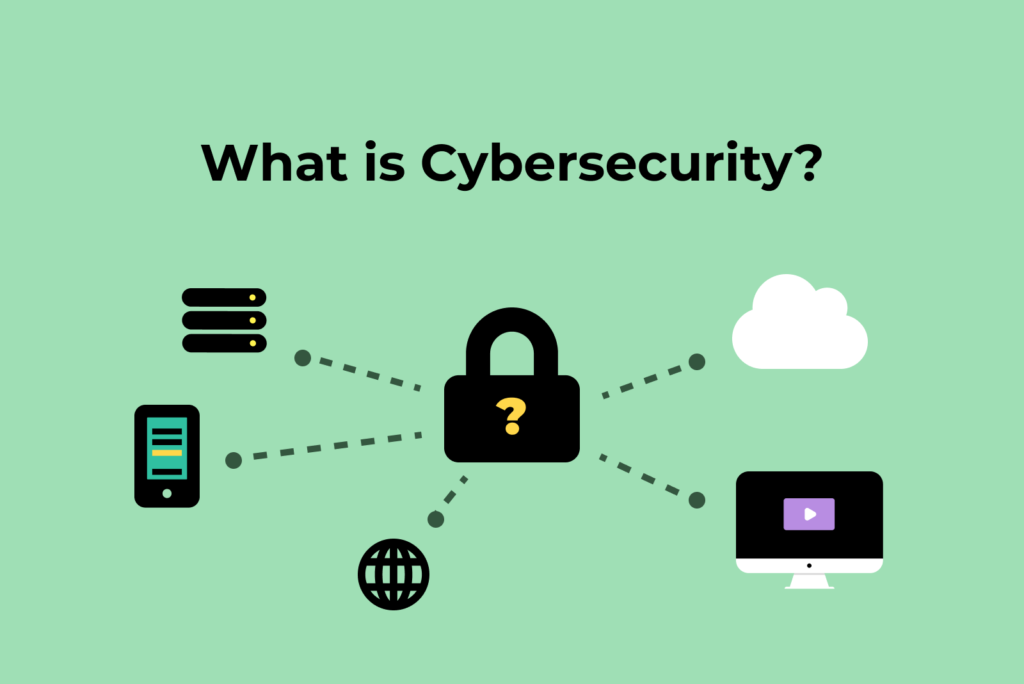
What is Cybersecurity?
Cybersecurity is all about protecting your data, networks, and systems from cyberattacks. These attacks can take different forms,hackers stealing sensitive customer data, infiltrating corporate networks, or even disrupting how a company operates.
Sometimes, the threats don’t just come from random hackers; competitors can also engage in cyber sabotage. While it’s impossible to be 100% safe, the goal of cybersecurity is to reduce risks as much as possible and prevent major security breaches.
Many businesses today rely heavily on customer data. From names and phone numbers to credit card details, companies collect and store tons of personal information. Unfortunately, this data is not always as secure as it should be.
If hackers get their hands on this information, the consequences can be devastating. Customers lose trust, businesses face heavy fines from regulators, and repairing the damage costs a fortune.
Take, for instance, the Equifax data breach where millions of customer records were exposed and the company had to pay massive penalties. No business wants to go through that.
Other common cyber threats include:
– Ransomware attacks – Hackers encrypt company data and demand a ransom to release it. But paying up doesn’t guarantee you’ll get your data back.
– Insider threats – Sometimes, employees (disgruntled or careless ones) can leak or misuse company data.
Prevention is always better than cure when it comes to cybersecurity.
How to Strengthen Your Cybersecurity Posture
To protect your business from cyber threats, you need to build a strong cybersecurity posture. That means having a plan that identifies risks, sets up security measures, and ensures employees follow best practices.
Key Cybersecurity Measures to Implement
1. Use Strong Network Protection Tools
Your business needs firewalls, antivirus software, and access control systems to keep hackers out. Some essential tools include:
– Firewalls – These act as a barrier between your internal network and external threats. Advanced versions (Next-Gen Firewalls) offer extra protection.
– Antivirus & Antimalware – These help detect and remove malicious software before it spreads.
– Intrusion Detection & Prevention Systems – These tools monitor network traffic, blocking suspicious activity in real time.
2. Train Your Employees on Cybersecurity Best Practices
Let’s be honest,most cyberattacks happen because of human error. A single careless click on a malicious link can compromise an entire network.
Employees should be trained on:
– How to spot phishing emails and scams.
– Why they should use strong passwords and enable two-factor authentication (2FA).
– The dangers of connecting to company systems on unsecured Wi-Fi networks.
Additionally, since many companies now allow employees to work remotely using personal devices (BYOD policies), extra security measures should be in place to protect company data.
3. Monitor Insider Threats
Not all cyber threats come from outside the company. Some security breaches happen from within,whether intentionally or by accident.
Businesses should:
– Limit employee access to sensitive data. Not everyone in the company should have access to everything.
– Monitor employee behavior to detect suspicious activities early.
– Ensure strict policies for when employees leave the company to prevent them from taking critical data with them.
Why Executives Must Take Cybersecurity Seriously
Many business executives don’t focus much on cybersecurity,they leave it to the IT team. But here’s the problem: top executives are prime targets for cybercriminals.
Hackers know that executives handle sensitive business data, so they use tactics like whale phishing (a more targeted form of phishing aimed at high-level employees).
To reduce risks, executives need to:
– Stay informed about cybersecurity risks and the impact on business.
– Approve investments in security tools and strategies.
– Be part of compliance and security reporting to ensure transparency.
Cybersecurity isn’t just an IT issue,it’s a company-wide responsibility. Every department, from HR to finance to management, must work together to ensure security measures are followed.
Conclusion
Cyber threats aren’t slowing down anytime soon. Businesses need to take cybersecurity seriously or risk losing everything they’ve worked hard to build.
The best approach is to:
– Invest in security tools like firewalls and antivirus software.
– Educate employees about cybersecurity risks and best practices.
– Involve executives in cybersecurity decisions.
At the end of the day, a strong cybersecurity posture is a team effort. When everyone plays their part, businesses can significantly reduce risks and stay ahead of cyber threats.
Cybersecurity isn’t a one-time fix,it’s an ongoing process. Stay vigilant, stay informed, and most importantly, stay secure!
Whether you’re a budding entrepreneur or an experienced executive, one crucial question to ask yourself regularly is: What defines an effective business leader? Holding a leadership position doesn’t automatically make you effective,it takes a specific set of skills and qualities to truly lead.
Interestingly, successful leaders often share common traits that contribute to their ability to inspire, guide, and make sound decisions. The good news is that these qualities can be developed, enabling you to become more effective in both your leadership approach and decision-making.
Leadership is a subject we’re passionate about, as it plays a vital role in both professional and personal settings. Regardless of your position, strong leadership skills are invaluable. Let’s explore the essential qualities that make an effective business leader and how you can apply them to your career and everyday life.
Here Are 5 Qualities of an Effective Business Leader
Leadership begins with communication. To be an effective business leader, you must ensure your message is clearly understood by your team, stakeholders, and audience. Great leaders tailor their communication to suit different levels of expertise, ensuring clarity and comprehension.
Additionally, strong leaders are active listeners. They genuinely pay attention when others speak, making people feel valued and understood. Effective listening fosters trust and encourages open dialogue, leading to a more engaged and motivated team.
Strong Decision-Making Ability
Making decisions is a core responsibility of a leader. From minor operational choices to major strategic moves, an effective business leader understands the significance of each decision and allocates the right level of attention to it.
Some decisions require quick thinking, while others demand thorough analysis. Successful leaders develop a decision-making framework that helps them evaluate options efficiently and make informed choices. The more they practice, the more confident and effective they become in their decision-making.
Integrity and Trustworthiness
Trust is the foundation of strong leadership. If your team doesn’t trust you, they won’t fully commit to your vision. Effective business leaders demonstrate integrity by acting ethically, keeping their promises, and being transparent in their actions.
When leaders consistently uphold their values and principles, they build a culture of trust and reliability. Employees and stakeholders are more likely to support and follow a leader who stands by their word.
Commitment to Excellence
Great leaders never settle for mediocrity. An effective business leader constantly seeks self-improvement, whether through reading, industry research, or personal development. Expanding one’s knowledge and skill set allows for better decision-making and innovation.
Beyond self-education, strong leaders push themselves beyond their comfort zones. They take on challenges, embrace new experiences, and continuously strive for growth. This relentless pursuit of excellence sets an example for others and fosters a high-performance culture.
Perseverance and Resilience
Challenges and setbacks are inevitable in business. Deals fall through, market conditions change, and key employees may leave unexpectedly. An effective business leader remains resilient, adapting to obstacles and seeking solutions rather than dwelling on problems.
Perseverance is what separates great leaders from the rest. They don’t give up at the first sign of difficulty; instead, they push forward, learn from setbacks, and find creative ways to overcome hurdles.
Becoming a More Effective Business Leader
Becoming a more effective business leader is a gradual process,it doesn’t happen overnight. If you already hold a leadership position, you likely possess some of these qualities. The key is to refine and strengthen them through consistent effort.
Here are some simple steps to enhance your leadership skills:
– Practice active listening in every conversation.
– Streamline decision-making by setting time limits for minor choices.
– Dedicate at least 20 minutes a day to self-education.
– Follow through on commitments, even the difficult ones.
– Tackle one ongoing challenge until you find a solution.
By implementing these habits, you’ll see noticeable improvements in your leadership effectiveness over time.
Looking for more insights on leadership and management? Explore our business resources section for expert advice and strategies to elevate your leadership skills.
In today’s workplace, traditional office setups are giving way to more flexible work arrangements. While some companies long for the days when employees were in the office full-time, the reality is that remote and hybrid work models are here to stay. Hybrid work, where employees split their time between remote and in-office work, is now the norm in many organizations.
This shift has significantly impacted office communication. With employees working from different locations and at varying hours, companies increasingly rely on asynchronous communication,a mode of communication that does not require an immediate response. The idea is that since employees are not always physically present in the office at the same time, they should not be expected to reply to messages instantly.
However, this doesn’t always mean shorter work hours. In many cases, employees end up working extended hours, responding to emails and messages well after their official workday has ended. The upside, though, is that this flexibility enhances efficiency, especially in global teams operating across multiple time zones. For instance, offshore employees can communicate effectively with onshore teams, even when they are not working simultaneously.
The traditional reliance on back-and-forth emails and time-consuming meetings is gradually being replaced by more efficient communication methods. To improve collaboration and streamline workflows, teams are increasingly turning to:
– Recorded video updates that allow employees to stay informed without attending live meetings.
– Collaborative documents where multiple team members can contribute in real time.
– Project management tools that help teams stay aligned on tasks and deadlines.
By adopting these methods, businesses can reduce unnecessary meetings and encourage deep work, ultimately increasing productivity and employee satisfaction.
Advanced Office Communication Tools
The rapid evolution of office communication tools is shaping the way teams interact and collaborate. Modern employee communication software now integrates multiple functions, from task management and messaging to video conferencing. These tools are further enhanced by AI-driven features that streamline communication and improve efficiency.
AI-Powered Chat Assistants
Artificial intelligence is playing an increasingly important role in office communication. AI-powered chat assistants help employees manage communication more effectively by:
– Filtering and prioritizing important messages.
– Automating repetitive tasks such as setting up meetings or sending reminders.
– Suggesting appropriate responses to messages, making communication quicker and more efficient.
These smart assistants reduce the burden of handling routine tasks, allowing employees to focus on more meaningful work.
Virtual Assistants for Office Communication
AI-powered virtual assistants are taking workplace communication to the next level. These assistants help employees schedule meetings, transcribe conversations, and summarize lengthy email threads. In HR and customer service, chatbots handle routine inquiries, freeing up human employees to tackle more complex tasks.
As AI continues to advance, we can expect virtual assistants to become even smarter. Future AI tools will not only predict communication needs but also personalize interactions based on an individual’s work habits and preferences.
The Role of Augmented and Virtual Reality in Office Communication
One of the most exciting developments in office communication is the increasing adoption of augmented reality (AR) and virtual reality (VR). These technologies are no longer just futuristic concepts; they are transforming the way teams collaborate in remote and hybrid work environments.
Instead of relying solely on flat video calls, companies are now experimenting with immersive virtual spaces. Employees can meet in virtual offices where they interact through avatars, making remote collaboration feel more natural and engaging.
More businesses are investing in VR-powered meeting rooms, which enhance communication by creating a more interactive and engaging experience. This shift marks just the beginning of a larger transformation in office communication. As AR and VR technologies advance, they will introduce a new level of presence and engagement to digital interactions.
How Businesses Can Adapt to the Future of Office Communication
As office communication continues to evolve, businesses must proactively adapt to remain competitive. Here’s how companies can stay ahead:
1. Embrace Asynchronous Communication – Encouraging flexible communication methods reduces reliance on constant meetings and allows employees to focus on deep work.
2. Leverage AI-Powered Tools – Implementing AI-driven assistants and chatbots can help automate repetitive tasks and improve efficiency.
3. Adopt AR and VR Technologies – Exploring immersive virtual collaboration tools can enhance remote team interactions and make communication more engaging.
4. Invest in Employee Training – Providing employees with the necessary training to use new communication tools effectively ensures a smooth transition and maximizes productivity.
Building a Culture of Innovation in Office Communication
A successful transition to advanced communication tools requires more than just adopting new technology,it also involves fostering a culture of innovation and adaptability. Companies should prioritize:
– Continuous learning and training to help employees maximize the benefits of new tools like AI assistants and VR environments.
– A flexible work culturethat supports both real-time and asynchronous communication to accommodate different work styles.
– An open approach to technological advancements, ensuring that businesses remain agile and ready to integrate emerging communication trends.
Ultimately, the success of office communication depends on not just the tools being used, but also the people using them and the workplace culture they create.
Conclusion
The future of office communication is being shaped by the rise of hybrid work, AI-driven tools, and immersive collaboration technologies. Companies that embrace these changes will not only improve efficiency but also create more dynamic, engaged, and productive teams.
By adopting asynchronous communication, leveraging AI-powered assistants, and exploring emerging technologies like AR and VR, businesses can stay ahead in an increasingly digital world. Those that prioritize flexibility and continuous innovation in their communication strategies will be best positioned for success in 2025 and beyond.
The modern workplace is a melting pot of individuals from multiple generations, each bringing unique experiences, skills, and perspectives. When reading about generational differences in the media, one might assume that people from different age groups can never work together effectively. However, in reality, organizations operate daily with a mix of Baby Boomers, Gen X, Millennials, and Gen Z employees, achieving remarkable results despite the challenges posed by the generational divide.
Building a multigenerational workforce requires intentional effort, but the rewards are significant. By recognizing each generation’s strengths and challenges, companies can create strategies to minimize conflict, encourage collaboration, and foster an inclusive environment where all employees thrive. Understanding the generational divide and implementing policies that bridge the gaps will ultimately enhance workplace productivity, innovation, and employee satisfaction.
Understanding the Generational Divide in the Workplace
To foster collaboration across different age groups, it is crucial to first understand the characteristics that define each generation. While individuals within each group have unique personalities, common patterns in work ethic, communication preferences, and expectations can provide valuable insight.
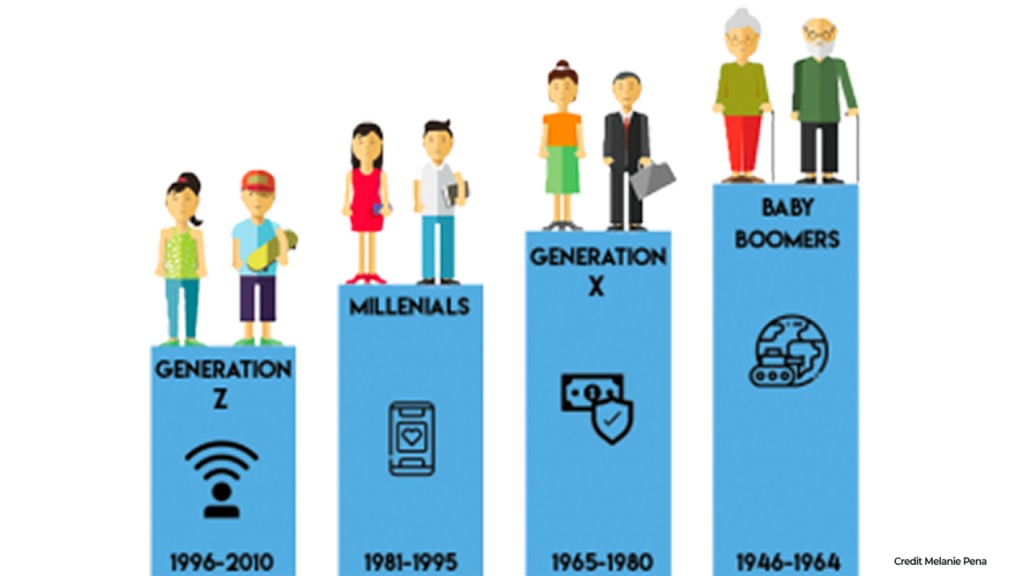
– Traditionalists (Born 1925-1945): These employees value in-person communication and have a strong sense of loyalty to their organizations. They often prefer hierarchical structures and stability in the workplace.
– Baby Boomers (Born 1946-1964): Known for their strong work ethic, Baby Boomers appreciate structure and a clear chain of command. They prioritize job security and expect respect for their experience and dedication.
– Gen X (Born 1965-1980): This group values flexibility and independence, often balancing work and personal life with great efficiency. They tend to be self-reliant and appreciate autonomy in their roles.
– Millennials (Born 1981-1996): Millennials seek a workplace that values innovation, collaboration, and continuous learning. They thrive in environments that encourage feedback and professional growth.
– Gen Z (Born 1997-Present): As digital natives, Gen Z employees prioritize flexibility, technology-driven work processes, and opportunities for independent problem-solving. They value inclusivity and expect companies to align with their personal values.
By viewing employees from different generations as valuable assets rather than sources of division, companies can harness their strengths to build a more cohesive and dynamic workforce.
The Benefits of Generations Working Together
At first glance, pairing a Traditionalist with a Gen Z employee might seem like a challenge. However, fostering intergenerational collaboration offers immense benefits that improve both individual performance and overall company success.
A Broader Range of Perspectives
Different generations bring varied life experiences, which shape their approach to problem-solving. A Baby Boomer who has spent decades in an industry may have insights that a younger employee lacks, while a Gen Z worker may introduce fresh ideas and new ways of thinking. A diverse workforce allows for well-rounded decision-making and fosters creativity.
A Blend of Skills and Knowledge
Each generation has a unique skill set. Older employees often possess institutional knowledge and expertise in industry best practices, while younger employees excel in leveraging new technologies and digital tools. By encouraging collaboration, companies can create an environment where knowledge is continuously transferred and innovation flourishes.
Enhanced Customer Engagement
Businesses that cater to a broad customer base benefit from having employees of various ages. A multigenerational workforce ensures that companies can better understand and connect with different demographics. Whether through marketing, sales, or customer service, employees from various age groups bring valuable insights into consumer behavior and preferences.
Effective Knowledge Transfer and Mentorship
With many Baby Boomers nearing retirement, organizations risk losing decades of industry knowledge. Encouraging mentorship programs where experienced employees guide younger ones can help preserve valuable insights. At the same time, younger employees can reverse-mentor older colleagues by introducing them to new technologies and modern workplace trends.
Challenges of the Generational Divide
Despite the benefits of intergenerational collaboration, differences in work styles, communication preferences, and expectations can create friction in the workplace. Recognizing these challenges allows organizations to implement proactive strategies for resolution.
Clashing Communication Styles
Older generations often prefer face-to-face conversations, phone calls, or formal emails, whereas younger employees gravitate toward instant messaging, video calls, and social media platforms. Miscommunication can occur when one party perceives another’s preferred communication method as inefficient or impersonal. Organizations should establish flexible communication protocols that accommodate various preferences.
Varying Work Preferences
Traditionalists and Baby Boomers are accustomed to structured work environments with set schedules, whereas Millennials and Gen Z favor remote work, flexible hours, and results-based performance. The shift toward hybrid work models helps bridge this gap by allowing employees to balance autonomy with in-person collaboration.
Generational Stereotypes
Stereotypes can be a significant barrier to effective teamwork. Older employees may view younger colleagues as entitled or lacking in work ethic, while younger employees might perceive older coworkers as resistant to change. Fostering a culture of mutual respect and dispelling these misconceptions can improve workplace harmony.
Strategies to Bridge the Generational Divide
Creating a workplace where all generations feel valued requires intentional leadership and thoughtful policies. Companies should implement strategies that foster collaboration and understanding across age groups.
Fostering an Inclusive Workplace Culture
An inclusive workplace embraces the strengths of each generation. Leaders should actively encourage participation from employees of all age groups in decision-making processes and company initiatives. Recognizing and celebrating the contributions of different generations reinforces a culture of respect.
Encouraging Continuous Learning
Employees across generations want opportunities for growth. Organizations should provide professional development programs that cater to diverse learning styles. Training sessions that incorporate both traditional learning methods and digital platforms can ensure that employees across age groups benefit.
Implementing Reverse Mentorship Programs
Traditional mentorship often involves older employees guiding younger ones, but reverse mentorship can be equally valuable. Younger employees can introduce their more experienced colleagues to emerging trends, new technologies, and evolving workplace norms. This exchange fosters mutual learning and breaks down generational barriers.
Accommodating Different Work Styles
A flexible work environment acknowledges the diverse needs of employees. Offering options such as remote work, hybrid schedules, and varied collaboration tools helps create a balanced workplace where all employees can thrive.
Measuring the Success of Intergenerational Collaboration
Simply implementing initiatives to bridge the generational divide is not enough,companies must also assess their effectiveness. Organizations should use a combination of qualitative and quantitative measures to gauge how well multigenerational teams are functioning.
Employee Feedback and Engagement Surveys
Regular surveys and focus groups can provide insights into how employees feel about their workplace environment. Are generational differences creating challenges? Do employees feel heard and valued? Understanding employee sentiment helps refine workplace policies.
Tracking Productivity and Performance Metrics
Key performance indicators (KPIs) such as project completion rates, innovation levels, and collaboration effectiveness can highlight the impact of generational diversity in the workplace. Comparing performance data before and after implementing inclusion strategies can offer valuable insights.
Monitoring Retention and Recruitment Trends
A workplace that effectively bridges the generational divide should see improvements in employee retention and talent acquisition. If employees from all age groups feel engaged and valued, they are more likely to stay with the company and recommend it to others.
Observing Team Interactions
Beyond data and surveys, workplace observations can reveal much about intergenerational collaboration. HR teams and managers should pay attention to how employees engage with one another in meetings, mentorship programs, and informal discussions.
Conclusion
Bridging the generational divide in the workplace is not just about resolving conflicts,it’s about embracing diversity to build a stronger, more innovative workforce. While generational differences may create challenges, they also offer opportunities for collaboration, knowledge-sharing, and growth. By implementing inclusive policies, fostering mutual respect, and leveraging the strengths of each age group, organizations can create a workplace where all generations contribute to success.
Embracing intergenerational collaboration ultimately leads to a more dynamic, adaptable, and forward-thinking organization.
Continuous learning is essential for businesses today, helping employees acquire new skills and expand their expertise. By implementing learning management software (LMS), companies can streamline training, administer assessments, and track employee progress. An LMS isn’t just for employees—partners and customers can also benefit from structured learning programs.
In today’s competitive market, HR departments must prioritize workforce development to minimize staff turnover. Additionally, compliance remains a major focus as organizations navigate ever-changing regulations. A robust LMS helps businesses collect, manage, and analyze data for compliance reporting.
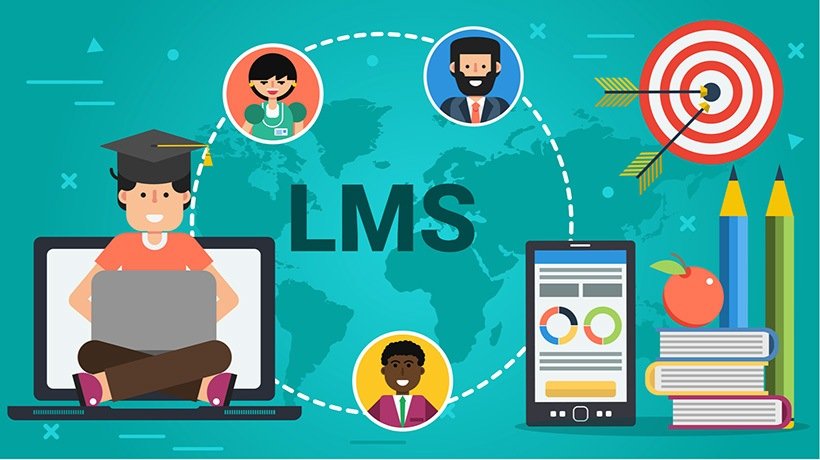
A learning management system is a digital platform designed to facilitate corporate training. It enables organizations to create, distribute, and monitor educational content, making it easier to manage employee development and certification processes. LMS solutions have become indispensable in modern business training, enhancing e-learning experiences and ensuring consistency across training programs.
10 Benefits of Using an LMS
1. Tailored Learning Experiences
With an LMS, businesses can design training programs that align with their objectives. Whether launching a new product or rolling out company-wide initiatives, an LMS ensures that all employees receive the same information. Training content is structured, centralized, and tailored to employees’ specific roles, improving efficiency and customer service.
2. Boosts Employee Performance and Productivity
An LMS provides employees with instant access to training materials, helping them understand company products and services faster. New hires can quickly familiarize themselves with company processes, while existing employees can refresh their knowledge. This continuous learning approach boosts confidence, efficiency, and overall workplace productivity.
3. On-Demand Access to Training Materials
Once learning materials are uploaded, employees can access them anytime, anywhere. LMS platforms support mobile learning, allowing team members in remote locations to participate in training via smartphones or tablets. This eliminates scheduling conflicts and ensures consistent knowledge-sharing across global teams.
4. Reduces Training Costs
Traditional training methods can be costly due to expenses such as printed materials, venue bookings, and instructor fees. LMS platforms significantly cut these costs by offering digital training solutions. Businesses also save on travel expenses, as employees can complete training remotely without disrupting daily operations.
5. Secure Storage for Training Data
Unlike unsecured online platforms, an LMS protects sensitive company training materials. Administrators can control access levels, ensuring that only authorized personnel can view or modify course content. This added security safeguards proprietary information and maintains confidentiality.
6. Efficient Progress Tracking and Reporting
LMS platforms provide detailed insights into employee training progress. HR and Learning & Development teams can analyze course completion rates, identify challenging topics, and adjust training modules accordingly. These analytics ensure that employees receive relevant, effective training to support business growth.
7. Flexible Learning Environment
A learning management system creates a seamless, adaptable learning experience. Employees can access training at their convenience without technical barriers, ensuring a user-friendly experience. LMS administrators can assign courses based on roles, making learning more personalized and efficient.
8. Empowers Learning & Development Teams
An LMS streamlines the Learning & Development team’s efforts, ensuring consistent and accurate knowledge distribution. Training modules can be updated quickly, saving time and resources while maintaining high-quality education standards across departments.
9. Strengthens Business Relationships
Organizations can use LMS platforms to train partners, associates, and customers. By offering structured learning resources, businesses foster stronger relationships, enhance product adoption, and drive customer loyalty. LMS platforms can also be updated in real time to align with industry trends and market demands.
10. Simplifies Compliance Training
In industries like healthcare and finance, compliance training is essential to meet regulatory requirements. LMS platforms help businesses standardize and track compliance courses, storing training records for audits and inspections. Employees can complete training on critical regulations such as HIPAA and OSHA, ensuring legal and safety compliance.
Conclusion
A learning management system plays a crucial role in modern business operations. It streamlines training, enhances compliance management, and improves overall workforce development. By investing in an LMS, companies can automate training processes, track employee progress, and foster a culture of continuous learning. Ultimately, an effective LMS contributes to higher productivity, increased efficiency, and a stronger bottom line.
Today, digital marketing revolves around how businesses leverage artificial intelligence (AI). AI has become an integral part of marketing strategies, helping professionals enhance measurement, conversions, and engagement.
For example, AI-powered real-time analysis allows marketers to deliver highly personalized content, improving customer experiences. But how are expert marketers using AI in 2025? What other strategies are proving successful? And what critical trends should marketers stay aware of this year?
AI-Powered Marketing in 2025
AI in Digital Marketing
AI is transforming digital marketing in several ways, including:
By harnessing AI, marketers can craft highly tailored content and ads, delivering them at the right time and place. This level of personalization enhances engagement and conversion rates by addressing individual preferences and behaviors.
2. AI in Social Media Marketing
AI has revolutionized social media marketing, enabling brands to build authentic connections with their audience. AI-driven tools help marketers understand consumer behavior, optimize interactions, and create engaging content that resonates with users.
3. Automation & AI
Marketing automation streamlines repetitive tasks, such as lead generation, customer follow-ups, and campaign analysis. AI-powered tools save marketers time by managing audience targeting and campaign optimization, allowing them to focus on strategy rather than manual execution.
However, AI is just one piece of the puzzle. Marketers in 2025 must also focus on proven strategies to remain competitive.
Must-Try Marketing Strategies in 2025
With increasing competition for consumer attention, digital marketers must adopt high-impact strategies, including:
– Virtual Marketing
– Short-Form Videos
– Collaborations & Influencer Marketing
1. Short-Form Video: The Future of Content Marketing
Are you using short-form videos for your brand? If not, you’re missing out!
Video marketing continues to deliver high ROI, with 86% of marketers reporting success from their video content. Platforms like TikTok, Instagram Reels, and YouTube Shorts dominate the digital landscape, making video marketing one of the top trending digital marketing strategies for 2025.
Why is short-form video effective?
– It’s engaging and easy to consume.
– It performs well on social media and search engines.
– It’s less time-consuming to produce compared to long-form content.
However, while video marketing is essential, don’t abandon blog content entirely. Google still values written content, and organic and paid search drive significant website traffic.
2. Storytelling: Creating Engaging Video Content
Great video content tells a story. To captivate your audience, focus on relatable storytelling that connects emotionally. Hook viewers with a compelling narrative, keep them engaged, and deliver a strong message that aligns with your brand.
3. Collaborations & Influencer Marketing
Social media thrives on collaborations. Influencers and brands team up to create co-branded content, boosting engagement and expanding reach.
For example, Instagram Collabs allow users to co-author posts and share them with both audiences. Partnering with complementary brands can increase visibility and drive higher conversions.
4. Virtual Marketing & The Metaverse
Virtual marketing is gaining momentum, with brands embracing NFTs, virtual goods, and immersive experiences. The metaverse is evolving into a dynamic space for businesses to interact with consumers in new ways.
– Brands can sell virtual replicas of physical products.
– Users can try on digital outfits before purchasing real ones.
– The metaverse enables interactive shopping, gaming, and brand experiences.
While fully virtual commerce may not dominate in 2025, it’s a space marketers should watch closely.
Other Key Considerations for Marketers in 2025
To stay ahead, brands must be mindful of:
1. Data Privacy & Transparency
Consumers are increasingly concerned about data privacy. Marketers must comply with GDPR and other regulations while maintaining transparency in data collection and usage.
2. Augmented Reality (AR) & Virtual Reality (VR)
AR and VR enhance customer experiences through virtual try-ons, interactive product demos, and immersive brand storytelling. Brands investing in AR/VR can create engaging, memorable customer journeys.
3. Voice Search Optimization
With the rise of voice-activated devices, voice search optimization is essential. Marketers should prioritize natural language and long-tail keywords to align with conversational search queries.
4. Social Responsibility & Brand Ethics
Consumers favor brands that demonstrate social responsibility. Marketers should incorporate ethical and sustainable practices into their campaigns to build trust and loyalty.
Conclusion
Digital marketing in 2025 is driven by AI, short-form video, virtual experiences, and ethical branding. By staying ahead of these trends, marketers can create impactful campaigns, engage audiences effectively, and achieve lasting success.
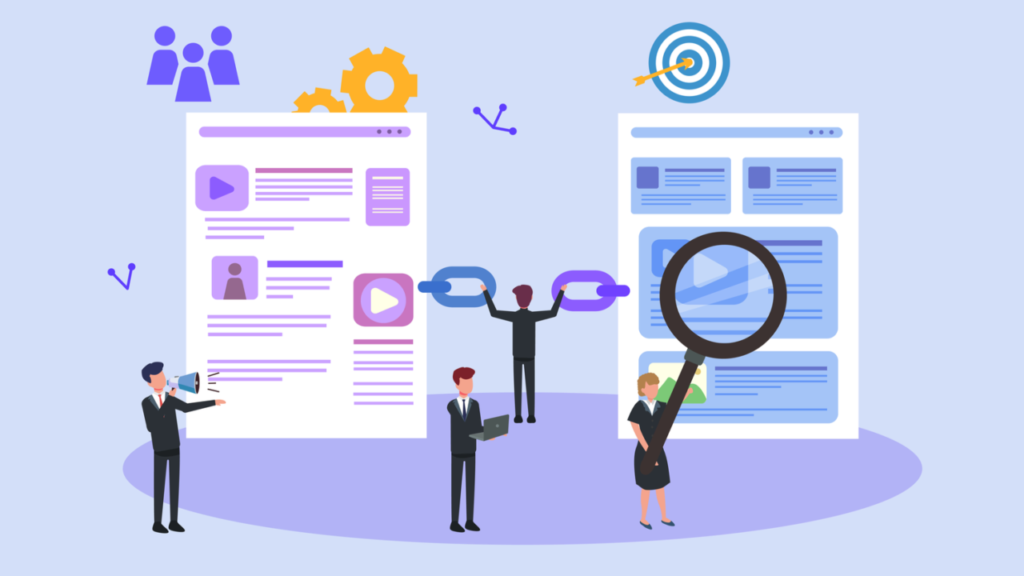
Search engine optimization (SEO) is a crucial element of digital growth, and high-quality links play a significant role in strengthening a website’s credibility and visibility. These links act as digital endorsements, signaling to search engines that your content is trustworthy and relevant. However, not all links carry the same weight while authoritative links boost rankings, low-quality ones can damage a site’s reputation. Understanding how to acquire high-quality links is essential for businesses looking to expand their digital reach.
Search engines evaluate multiple factors when ranking web pages, and backlinks are one of the most influential. When a respected website links to your content, it signals authority and relevance in your industry. Websites with a strong backlink profile often rank higher in search results, driving more traffic and exposure.
Beyond improving rankings, high-quality links introduce new audiences to your brand and help establish your authority in the industry. As a result, link-building remains a key component of any effective digital marketing strategy.
High-Quality Links vs. Low-Quality Links
Not all backlinks contribute positively to your site’s success. High-quality links come from credible, industry-relevant sources, whereas low-quality ones from spammy or irrelevant sites can harm your rankings.
Characteristics of High-Quality Links (R-A-N-D):
– Relevance – Links originate from websites related to your industry.
– Authority – The referring site has strong domain authority.
– Natural Placement – Links are integrated into valuable, high-quality content.
– Diversity – A varied mix of links from different domains enhances credibility.
Avoiding Low-Quality Links
Securing links from link farms or unreliable sources can trigger penalties from search engines, negatively impacting rankings. Quality always outweighs quantity when it comes to backlinks. Regularly auditing your link profile and disavowing poor-quality links can help maintain a healthy backlink strategy.
How High-Quality Links Expand Digital Reach
Investing in high-quality links offers numerous benefits that contribute to online success:
1. Higher Search Engine Rankings – Authoritative links improve a site’s credibility, leading to better rankings for target keywords.
2. Increased Referral Traffic – Links from reputable sources drive engaged visitors to your website, boosting conversions.
3. Stronger Brand Authority – Being referenced by well-established sites builds trust and credibility within your industry.
4. Faster Content Indexing – High-quality backlinks help search engines discover and rank your content more efficiently.
Effective Strategies for Gaining High-Quality Links
Building a strong backlink profile requires a strategic approach. Here are some proven tactics:
1. Create Valuable Content – Well-researched guides, case studies, and infographics naturally attract backlinks.
2. Guest Posting on Authority Sites – Contributing high-quality content to reputable blogs can generate powerful backlinks.
3. Leverage Digital PR – Engaging with journalists and industry blogs can result in high-authority mentions.
4. Utilize Link Outreach – Partnering with ethical link-building services can help acquire high-quality links.
5. Fix Broken Links – Replacing broken links with your content on reputable sites is a smart way to earn backlinks.
6. Collaborate with Influencers – Engaging with industry experts can lead to organic mentions and valuable links.
Common Link-Building Mistakes to Avoid
To maintain a strong backlink profile, steer clear of these pitfalls:
– Buying Links – Google penalizes paid link schemes, which can harm rankings.
– Irrelevant Links – Links from unrelated sources offer little SEO value.
– Over-Optimized Anchor Text – Excessive keyword use can lead to penalties.
– Neglecting Internal Links – Internal linking helps distribute authority across your website.
– Prioritizing Quantity Over Quality – A few authoritative links are more beneficial than numerous low-quality ones.
Conclusion
High-quality links are essential for expanding digital reach, improving search rankings, and establishing industry authority. A well-planned, ethical link-building strategy whether through valuable content creation, digital PR, or professional outreach ensures long-term success. Prioritizing high-quality backlinks will help businesses strengthen their online presence and sustain growth in the competitive digital landscape.
The digital revolution has transformed how we work, enabling seamless communication and remote collaboration. Tools like Microsoft Teams, Slack, and cloud-based platforms have dissolved the boundaries between office and home, making it easier than ever to stay connected,and harder than ever to disconnect. A Statista survey reveals that 59% of smartphone users check their devices within five minutes of waking up, while many scroll through work emails minutes before sleep. This “always-on” culture has blurred work-life balance, leading to chronic overwork, sleep deprivation, and burnout.
With remote work now a permanent fixture for 26% of U.S. employees (Forbes, 2023), the pressure to remain digitally available 24/7 has intensified. When a 10-hour workday consumes nearly half of your waking hours, critical pillars of health,sleep, exercise, and social connection are often sacrificed. Burnout rates have surged, with the World Health Organization (WHO) recognizing it as an occupational phenomenon linked to chronic workplace stress.
In this article, we explore actionable strategies to regain control, prioritize well-being, and thrive in a hyperconnected world.
Sleep is the cornerstone of cognitive function and physical health, yet 40% of Americans sleep fewer than 7 hours nightly (Gallup). Chronic sleep deprivation impairs decision-making, weakens immunity, and heightens stress. A 2023 study in Nature Neuroscience found that just one night of poor sleep reduces prefrontal cortex activity by 60%, directly impacting focus and emotional regulation.
Actionable Steps:
– Adopt a “sleep sanctuary” mindset: Keep bedrooms cool (60–67°F), dark, and device-free.
– Use apps like SleepCycle to track sleep patterns and align with circadian rhythms.
– Practice the 4-7-8 breathing technique (inhale for 4 seconds, hold for 7, exhale for 8) to induce relaxation.
2. Movement as Medicine: Exercise in Micro-Doses
The WHO recommends 150 minutes of moderate exercise weekly, but desk-bound workers average only 3,000 steps daily (Mayo Clinic). Micro-workouts short bursts of activity can counteract sedentary lifestyles. A 2022 study in The Lancet found that 11 minutes of daily exercise reduces cardiovascular disease risk by 17%.
Actionable Steps:
– Try “exercise snacking”: 5-minute desk stretches, calf raises during calls, or a 10-minute walk post-lunch.
– Invest in under-desk ellipticals or resistance bands for low-impact movement.
– Join virtual fitness challenges via apps like Strava or Peloton for accountability.
3. Digital Detox: Reclaiming Mental Space
The average person spends 7 hours daily on screens, contributing to cognitive overload. Research from UC Irvine shows that constant notifications reduce IQ by 10 points,equivalent to missing a full night’s sleep.
Actionable Steps:
– Enable “Focus Mode” on devices to block non-essential apps during work hours.
– Designate a One screen-free day weekly for analog activities (e.g., journaling, hiking).
– Use Freedom or Cold Turkey apps to block distracting websites.
4. Hobbies That Heal: Beyond Side Hustles
The gig economy has turned passions into paychecks, but monetizing hobbies erodes their therapeutic value. A 2021 study in Journal of Occupational Health Psychology found that non-monetized hobbies reduce burnout risk by 34%.
Actionable Steps:
– Explore “flow state” activities: Painting, gardening, or playing an instrument.
– Join community groups (Meetup, local libraries) for free or low-cost classes.
– Avoid turning creative outlets into revenue streams unless it sparks joy.
5. Nature Therapy: The Science of Green Spaces
Exposure to nature lowers cortisol levels by 15%. Even simulated nature like photos of forests or nature sounds boosts mood.
Actionable Steps:
– Practice “forest bathing”: Spend 20 minutes daily in green spaces.
– Use apps like Calm or Noisli to stream nature sounds during work breaks.
– Decorate workspaces with plants like snake plants or peace lilies for air purification.
6. The Power of “No”: Setting Boundaries
Overcommitment is a hallmark of burnout. Psychologist Adam Grant emphasizes that “Saying no is a strategy, not a sacrifice”protecting your capacity for high-impact work.
Actionable Steps:
– Use the “D.I.N. (Delay, Inform, Negotiate)” framework: Delay non-urgent requests, inform stakeholders of current priorities, and negotiate deadlines.
– Apply the Eisenhower Matrix to categorize tasks by urgency/importance.
7. Time Management Hacks for Overachievers
– Pomodoro Technique: Work in 25-minute intervals with 5-minute breaks.
– Time-Blocking: Schedule tasks in 90-minute chunks aligned with ultradian rhythms.
– Batching: Group similar tasks (e.g., emails, meetings) to minimize context-switching.
8. Nutrition and Hydration: Fuel for Focus
Dehydration reduces cognitive performance by 20% (NIH). Pair hydration with brain-boosting foods:
– Omega-3s (walnuts, salmon) for neural health.
– Dark chocolate (70%+ cocoa) for improved focus.
– Green tea (L-theanine) for calm alertness.
9. Employer Accountability: Building Health-Centric Workplaces
Companies like Slack and Basecamp enforce “no-meeting Wednesdays” and “right to disconnect” policies. Key initiatives:
– Flexible Hours: Let employees design schedules around peak productivity.
– Mental Health Days: Offer paid days off for burnout prevention.
– Ergonomic Stipends: Fund standing desks or blue-light glasses.
10. Mindfulness Practices for Stress Reduction
Mindfulness meditation reduces anxiety by 39% . Tools to try:
– Headspace: Guided sessions for beginners.
– 5-4-3-2-1 Grounding Technique: Name 5 things you see, 4 you feel, 3 you hear, 2 you smell, 1 you taste.
Conclusion
The hyperconnected world demands intentional boundaries. By prioritizing sleep, movement, and mindful tech use while advocating for systemic workplace change—we can reclaim agency over our time and health. Burnout isn’t inevitable; it’s a signal to realign with what truly matters.
Final Call to Action:
Start small. Unplug for one hour tonight, take a walk outdoors, or say “no” to a non-essential task. Your well-being is worth protecting.
Advances in transportation, communication, and technology have significantly facilitated the exchange of goods, services, information, and ideas across borders. This has effectively enabled globalization,a process that continues to reshape the world economy. As the world becomes more interconnected, businesses, including small enterprises, are presented with opportunities to grow and expand. However, this evolving landscape also demands careful strategic planning to minimize risks and maximize rewards.
This article explores the key ways globalization impacts small businesses, focusing on critical areas like access to new markets, supply chains, staffing, and competitiveness.
Understanding Globalization and Its Drivers
Globalization is driven by several factors that have reduced barriers between countries. Key drivers include:
– Advances in communication and transportation technologies, coupled with decreasing costs.
– The rise of free trade agreements and multinational organizations.
– A reduced emphasis on national sovereignty in economic matters.
– An increase in the migration of ethnolinguistic minority groups across borders.
Technology, particularly the Internet and innovations such as AI, machine learning, and Web3 applications, has empowered small businesses to operate on a global scale. No longer confined to their immediate geographical areas, these businesses now contribute to the global economy. However, entering larger markets comes with its share of challenges, especially for small businesses with limited resources.
One of the most significant impacts of globalization on small businesses is their newfound access to international markets. The reduction of trade barriers has allowed businesses to reach customers in previously inaccessible regions. Selling products or services to global customers offers small businesses a tremendous growth opportunity, especially when their offerings cater to specific demands in other countries.
Technology plays a pivotal role in this transformation. With advancements in communication tools, small businesses can now handle customer service, marketing, and sales operations in foreign markets without the need for a physical presence. This reduces operational costs significantly while boosting revenues.
For instance, a customer in one country can access and purchase products from a small business in another through their smartphone. This ease of access broadens revenue streams for businesses that were previously limited by geographical constraints. By leveraging tools like product costing templates, businesses can optimize pricing strategies, ensuring profitability while maintaining competitive prices.
2. Global Supply Chains
Globalization has transformed supply chains into intricate, cross-border networks. Products like electronics, clothing, and food are often manufactured or assembled in different countries before reaching the final consumer.
Technological advancements have made it easier for small businesses to manage these global supply chains. They can now source materials or products from international suppliers, often at lower costs, which can enhance their competitiveness. While managing cross-border logistics was once a daunting challenge, modern tools and communication technologies have simplified the process, making global partnerships more accessible even for smaller enterprises.
3. Remote Staffing and Outsourcing
Another area where globalization has impacted small businesses is staffing. In the past, startups and small businesses required physical office spaces to hire employees. However, globalization and advancements in technology have enabled these enterprises to tap into a global talent pool.
Small businesses can now hire remote workers and freelancers from anywhere in the world. This access to global talent is particularly beneficial for finding specialized skills that may be scarce locally. Engineers, designers, content creators, and sales professionals are just a few examples of roles that small businesses can fill through remote hiring.
Additionally, outsourcing has become a common practice for tasks such as digital marketing, IT support, and back-office operations. Offshore service providers often offer high-quality work at lower costs, empowering small businesses to remain competitive in a global marketplace. However, with the rise of remote work comes the need for robust cybersecurity measures to protect sensitive business data from potential cyberattacks.
4. Increased Global Competition
While globalization has opened up new opportunities, it has also intensified competition for small businesses. The Internet has made it easier for companies from all corners of the world to enter markets, creating a crowded and highly competitive environment.
Small businesses must now contend with both local competitors and international players. For instance, a small business selling handmade crafts may find itself competing with manufacturers from other countries who offer similar products at lower prices. To thrive in this competitive landscape, businesses must focus on product quality, competitive pricing, and innovative marketing strategies.
Staying informed about global economic trends and financial news, such as foreign exchange rates, can help small businesses adapt their strategies and stay ahead of the competition.
5. A Level Playing Field for Businesses
One of the most empowering aspects of globalization is that it levels the playing field for businesses of all sizes. The Internet has democratized access to resources like marketing tools, industry knowledge, and global networks, enabling small businesses to compete with larger corporations.
For example, tech startups like Uber demonstrate how small businesses can leverage technology and globalization to rapidly scale and compete with established players. Today, even the smallest enterprises can use online platforms, social media, and e-commerce tools to build their brand and reach customers worldwide.
Conclusion
Globalization presents small businesses with both opportunities and challenges. On one hand, it allows them to access new markets, leverage global supply chains, and hire talent from anywhere in the world. On the other hand, it introduces heightened competition and necessitates innovative strategies to remain relevant.
Small businesses that embrace globalization and adapt to its demands can thrive in the global marketplace. By leveraging technology, building strong networks, and continuously refining their offerings, they can mitigate risks and seize the opportunities presented by a more interconnected world.