Starting up a new business venture offers both fulfillment and challenges. So many pitfalls lurk in the journey of entrepreneurship, catching new business owners off guard. Such challenges can result in expensive repercussions, which could have been prevented through seeking professional guidance or conducting thorough research beforehand.
What are the common mistakes new business owners make?
Here are some common mistakes new business owners make when starting up their businesses.
They don’t get advance advice on choice of entity/tax treatment.
Setting unrealistic and un achievable goals.
They execute business contracts personally rather than as the manager or other authorized officer of their new business entity.
Assuming that the new owner has (or quickly admits to the new business) one or more partners, he or she fails to have a comprehensive written operating agreement or shareholder agreement.
New business owners owner underestimate the power of building a strong team.
Giving vital roles or positions to family members.
Not defining or validating their ideas.
Not conducting market research.
Relying on instincts instead of facts and data.
Hiring the wrong people for the job
What are the ways new business owners can find funding?
Without giving the advantages and disadvantages of each form, the most common mechanisms are:
Credit line from local bank.
Investments by friends and family.
Term loans guaranteed by the Small Business Administration.
Crowdfunding and donations.
A local team of investors or venture capital group.
What about when it comes to raising capital from friends and family?
In this situation, a mistake can be made because the business has an “informal” capital raise from “friends and family” without ensuring that the capital raise doesn’t violate securities laws regarding private placements. Business owners also tend to give away too much of the company equity in these early rounds.
Are there any best practices when developing a company name?
While it’s important to pick a good name in terms of identity among competitors and goodwill among customers, it’s not clear that there are any “best practices” (other than doing a trademark search to ensure that you’re not impinging on an existing trademark) as long as the founder chooses a name that reflects the founder’s values and mission, and cannot be confused with competitors’ brand names.
Is it a good idea to name family members as officers?
Not a good idea if it can be avoided. Generally, family members do not bring the differentiated skillsets that are required in a startup. Co-founders should have skillsets that complement, rather than duplicate, the skillsets of the other founders.
Is it ok for new business owners to use independent contractors rather than hire employees?
Often business owners improperly treat their initial employees as “independent contractors” rather than as employees, because they hope to avoid employment tax withholding, workers’ compensation, wage and hour laws and related headaches, but the classification is usually improper.
Additional advice for new business owners
Set up a separate bank account for the new business.
Don’t mix personal and business expenses.
Get an enforceable NDA (non-disclosure agreement with confidential information, IP protection, non-solicitation and noncompetition provisions) from every new hire.
Don’t give away too much equity in the company in order to hire and retain talent.
Conclusion
The greatest mistake new business owners make is believe they can do it all by themselves. While an entrepreneur can do almost everything, they do almost everything poorly. Just like any other person, an entrepreneur has one or two natural talents. As an entrepreneur, it is your job to identify those talents and focus on them to your fullest. Surround yourself with people who are strong where your talents are weakest. Great companies are built on the foundation of exploiting a few strengths, not on trying to be masters of everything.
In 2024, if you’re looking to buy a smartphone for under $150 thinking your budget is low, do not worry, as we’re here to guide you through some of the awesome options available in the market. Today, we’ll discuss the top smartphones within this budget range. While smartphones have become increasingly expensive, a $150 budget requires managing expectations; don’t anticipate exceptional cameras or top-tier performance. These phones are ideal for backup purposes or for users with modest needs. However, some models offer notable value for their price, often slightly exceeding the $150 mark.Factors such as chip shortages and inflation contribute to rising smartphone prices. We compared numerous options before selecting the best ones listed here, readily available both in retail stores and online. Many individuals seek phones under $150, often as gifts for children. Majority of phones within this price range fall into the entry-level category. Let’s begin without delay.
The Cubot KingKong 8 is a rugged smartphone engineered to endure extreme conditions, all while remaining affordable at under $150. With IP68/IP69K water and dust resistance, as well as MIL-STD-810H certification for shock resistance, it’s built to last. Additionally, its sizable battery ensures all-day usage on a single charge. However, it’s important to note that the Cubot KingKong 8 doesn’t fit the mold of a typical high-end smartphone; sporting a mid-range processor and a relatively modest display resolution. If your priority is top-notch performance and features within this price range, this may not be the ideal choice. Nonetheless, if durability is your primary concern, the Cubot KingKong 8 presents a compelling option.
The Poco M5s 4G LTE is an affordable smartphone that delivers solid value. Featuring a generous display, a capable processor, and impressive battery life, it offers a compelling package. However, it’s worth noting that it lacks 5G connectivity. Powered by the G99 octa-core processor with 4GB of RAM and 64GB of storage in its base model, its plastic construction reflects its budget-friendly price point of around $150. The device boasts a 6.43-inch IPS LCD display with up to 600 nits of brightness and a 1080p resolution, complemented by a 90Hz refresh rate. With a 64MP primary camera and a 13MP selfie camera, it ensures decent photography capabilities. The device is equipped with a 5000mAh battery that supports fast charging with the included 33-watt charger.
Key Specifications and Features
Display Size: 6.43 inches (1080 x 2400)
Display Type: IPS LCD
RAM and Storage: 4GB RAM & 64GB Storage
Operating System: Android 13
Chipset: MediaTek Helio G99 octa-core processor.
Camera: 64MP Main camera; Selfie: 13MP
Battery: 5000mAh
Price: $130.97
Blackview Shark 8
Priced under $150, the Blackview Shark 8 is another a compelling mid-range smartphone, driven by the MediaTek Helio G99 processor. Boasting a spacious 6.78-inch LCD display with a swift 120Hz refresh rate, it offers smooth visuals. With 8GB of RAM and storage options ranging from 128GB to 256GB, it ensures ample space for your files and applications. Photography enthusiasts will appreciate its 64MP rear camera and 13MP front camera. Equipped with a robust 5000mAh battery, it provides enduring usage. Operating on Android 13, it’s upgradable to Android 14, ensuring a modern user experience.
Key Specifications and Features
Display Size: 6.78 inches (1080 x 2400), 120Hz Refresh rate
Display Type: IPS LCD, DH+
RAM and Storage: 8GB RAM & 128GB or 256GB Storage
Operating System: Android 13, Doke OS 4.0
Chipset: MediaTek Helio G99
Camera: 64MP + 2MP; Selfie: 13MP
Battery: 5000mAh
Price: $140.00
Redmi 12
The Redmi 12 is another standout choice among budget phones, earning its place among the best phones priced under $150. Featuring an IPS LCD display with a smooth 90Hz refresh rate and crisp 1080p resolution across its 6.79-inch screen, it delivers an immersive viewing experience, albeit with noticeable bezels. Its plastic construction boasts an iP53 water and dust resistance rating, a rarity in this price range. Operating on Android 13 with the MIUI 14 interface, it ensures a modern user experience. Powered by the MediaTek Helio G88 processor, it offers up to 8GB of RAM and 256GB of storage capacity. With a 50MP primary camera and an 8MP selfie camera, it delivers respectable photography capabilities. Notable features include a loudspeaker, USB-C charging port at the bottom, and a side-mounted fingerprint scanner. With a sizable 5000mAh battery, it supports 18W fast charging, ensuring enduring usage.
Key Specifications and Features
Display Size: 6.79 inches (1080 x 2460)
Display Type: IPS LCD, 90Hz Refresh Rate
RAM and Storage: 4, or 8GB RAM & 128 or 256GB Storage
Operating System: Android 13, MIUI 14
Chipset: MediaTek Helio G88
Camera: 50MP + 8MP + 2MP Selfie: 8MP
Battery: 5000mAh
Price: $147.47
The Redmi Note 11S
The Redmi Note 11S presents itself as a strong contender among devices priced under $150, offering a glass build that exudes a premium feel. With an IP53 water and dust resistance rating, it ensures durability. Boasting an AMOLED display with a swift 90Hz refresh rate and up to 1000 nits of brightness, it delivers vibrant visuals on its 6.43-inch screen with 1080p resolution. Operating on Android 11 with the MIUI 13 interface, it provides a sleek user experience. Powered by the MediaTek Helio G96 processor, it ensures smooth performance. With a remarkable 108MP primary camera, it offers top-notch photography capabilities within its price range. The 16MP selfie camera complements its feature set. Equipped with a side-mounted fingerprint scanner and a robust 5000mAh battery, it supports 33-watt fast charging, charging from zero to full in just 53 minutes.
Key Specifications and Features
Display Size: 6.43 inches (1080 x 2400)
Display Type: AMOLED, 90Hz Refresh Rate
RAM and Storage: 6 or 8GB RAM & 64 or 128 GB Storage
Operating System: Android 11, MIUI 13
Chipset: MediaTek Helio G96
Camera: 108MP + 8MP + 2MP + 2MP Selfie: 16MP
Battery: 5000mAh
Price: $129.99
Conclusion
Upon examining the specifications of the listed phones, you’ll notice several similarities among them. While the camera isn’t necessarily their standout feature, many boast robust chipsets, with the majority prioritizing exceptional battery life. When comparing RAM and storage capacity, most peak at 6GB and 128GB, although select models offer expanded storage options up to 256GB.You can check the prices of this devices at Amazon as prices flunctuate nowadays.
Have you ever heard about dropshipping? If you’re intrigued to know the way it works and interested in starting a dropshipping business, you’re in the right place. Dropshipping has gained popularity among entrepreneurs as a primary source of income or a side hustle alongside a regular job. In this article, we’ll look at what dropshipping entails and guide you on transforming it into a business that can be managed from any location.
What is dropshipping?
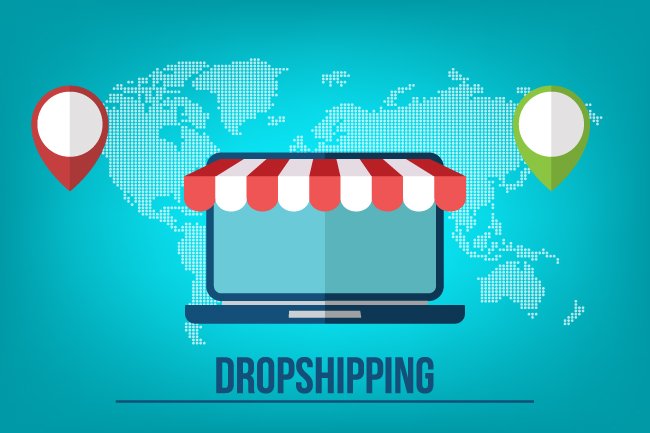
Dropshipping serves as a fulfillment service enabling retailers to sell products from manufacturers or suppliers without maintaining inventory at a physical location. Retailers collaborate with manufacturers or wholesalers having their own products and inventory. The retailer simply relays customer orders and details to the dropshipper, who handles packaging and shipping directly to the customer. This business model has gained popularity among entrepreneurs relying on e-commerce sites as their primary income source or as a side hustle alongside a regular job.
As with any business, there are some upside and downside to consider before starting. First, let’s take a look at some pros to dropshipping:
Doesn’t require inventory: There’s no need to keep inventory on hand when buying from a manufacturer or supplier. They take care of all aspects of maintaining inventory—you don’t have at worry about it at all.
You don’t have to manage fulfillment: You don’t have to worry about fulfilling your customer’s order. All you do is pass on the customer’s order and shipping information, and the dropshipper takes care of it from there.
Requires low capital to start up: You don’t need to make a huge capital to start a dropshipping business. It may take only a small amount of cash to set up the business and then start earning money.
You can offer a wide variety of products: You’re not limited to the types or number of products you can sell your customers—you can offer a wide variety without the worry or hassle of inventory and shipping. You also have the ability to change products if something doesn’t sell well.
Not committed to inventory: As just mentioned, if something doesn’t sell, you don’t have to worry about unsold stock taking up room in a warehouse. You can choose a new product and possibly a new supplier, as well. You also have the freedom to test new products and see what sells the best.
Mobility: It’s possible to run your business from anywhere in the world as long as you have internet access.
The downside of the dropshipping business model
After looking at the upside, you’ll also need to consider the downside in order to make an informed decision about running this type of business.There are some downsides to consider with dropshipping, which are:
Low profits: Overhead for dropshipping is low; however, you’ll need to earn a profit to keep your business up and running. Remember that the manufacturer/dropshipper takes a cut of the profit, so be sure to figure this in to your business plan when it comes to expenses such as marketing, website expenses, operations, etc. Set realistic retail prices so you’ll make enough money to stay profitable.
Competition is high: Don’t be caught off guard with the low overhead of this business model. Remember there’s a lot of competition out there. Competitors may be selling the same product you’ve chosen. Not only that, but if the competitor has a larger business, they can afford to price their product lower than yours, which effects your profit.
Searching for a trustworthy dropshipping partner: You’ll need to look for trustworthy and reputable dropshippers. If you buy from a supplier who has poor products, your business and reputation will suffer. You need to ensure that the supplier runs a legitimate business. You’ll also need to watch out for companies that sell trademarked goods—make sure they have the right to sell these products, to avoid any trademark and/or copyright issues.
Branding isn’t easy: You’ll need to brand your company, creating an identity that’s different from your competitors’. In addition, not all dropshippers will ship products with your company’s packaging. This could then become an extra cost.
As you can see, there are many pros and cons to consider before starting a dropshipping business. If you do your research and look for reputable partners, then it is possible to start a successful operation.
How to startup a dropshipping business
Now we’re ready to consider how to start a dropshipping business! Get ready for some in-depth research, business planning and more.
Select your niche: You’ll decide on the type of products you’d like to sell. What is your e-commerce site about? What products would do well in this niche? What would be of interest to your customers? If you’re unsure, you may want to consider setting up a shop that sells a variety of items, then wait to see what sells best.
What’s selling in the market: Next, you need to do some research to see what’s already selling well. You can check out the best sellers lists on Amazon—it’s a free way to check on competitors, popular products, pricing and more. Research your product ideas to find what’s trending and what products are popular.
Search for dropshipping partners: Once you’ve chosen your products, you’ll need to find reputable dropshippers. There are dropshipping supplier platforms you can check out, the most popular of which are Shopify, AliExpress, SaleHoo and so on.
Build an e-commerce website: Once you’ve done the research in steps one through three, you’re ready to build your e-commerce site (or begin using an e-commerce platform). You may need to create content to go with your site, such as a blog, item descriptions, etc. Be sure to have all of this in place before opening up to customers.
Get a tax ID: You may need a tax ID to run your business, so be sure to check out the requirements in your country.
Get ready to sell: Once everything is set up, you’re ready to sell. Have fun making money with your new business!
Conclusion
Keep in mind that, like any new business, you’ll encounter challenges and obstacles, which are a natural part of the process. Consider these challenges as opportunities for learning, enhancing your business, and evolving into a more adept entrepreneur.
In social media, captivating visuals are paramount for making a lasting impression. For iPhone users seeking to enhance their photography skills and create stunning images for their social media posts, this article unveils seven valuable tips to not only capture memorable moments but also master the art of editing. From leveraging the capabilities of your iPhone’s camera to exploring editing apps and tools, these insights will elevate your photography game, ensuring your social media presence stands out in a sea of visuals.
How to snap and edit eye-catching photosfor your social media post
Optimized camera settings are key to quality and social media-worthy pictures. So, before anything else, review and adjust your camera settings.
Nowadays, most phone cameras offer powerful functionalities, such as high megapixel resolution, HDR, autofocus, and more. The tricky part is understanding and leveraging these features to get the best outcomes.
Here are a few tips to consider.
Use HDR wisely
High dynamic range (HDR) enables users to capture a scene without losing details in dark and bright areas. Notice the below-shared image to understand how HDR provides a visual treat by adding extensive detail.
Pro tip: Don’t use the HDR feature for every picture you snap, or else you will end up with unnatural and off-looking pictures. Use it only when you face trouble balancing a picture’s brightness.
Check out how Airbnb, a leader in the hotels/resort industry, make use of this tactic. Observe their image reflecting dark shadows and bright highlights exceptionally well.
Check the portrait mode
With portrait mode, you get a picture with blurred background and sharp focus on the subject.
Pro tip: Use portrait mode to highlight something, specifically your product, in a photo.
Use burst mode
Also called continuous mode, burst mode allows users to capture a moving subject.
Pro tip: Use this mode to snap multiple high-speed pictures. This way, you will have an array of images to choose from. Once you’ve finished shooting, select the perfect shot to post.
2. Get your composition right
Photo composition is how a photographer organizes visual elements within their frame. A good composition provides a solid structure to subjects or art pieces and creates a visually appealing view that highlights the subject while balancing the other elements in the scene.
How do you get the photo composition on point?
Follow the golden rule of photography called the “rule of thirds.” It requires breaking down the image into three sections and placing the subject in the right or left third to achieve a well-composed shot.
Pro tip: iPhone cameras offer the provision to create a grid. Check your camera settings and select the grid lines while snapping the picture.
3. Ensure adequate lighting and exposure
Camera exposure signifies the amount of light that reaches the sensor while taking the snapshot. The more you expose the camera sensor to light, the brighter your photo will be, leading to overexposure. The lesser the light the darker the picture will be, resulting in underexposure.In both instances, the photograph loses its original details.
Here’s the hack to get the perfect shot: Just tap your screen on lighter and darker areas of the shot to balance the exposure manually. You will see a “sun” icon with a vertical scale. Move your finger up and down the scale to adjust the light.
4. Add layers and filters
You can edit your photos by adding fun effects, layers, and filters, to ramp up your social media engagement. Although Instagram offers an in-built photo editor, its capabilities are limited.
That’s where you need state-of-the-art picture editing tools to share photographs that look like masterpieces. With a plethora of photo editors available today, however, choosing the best app to download can be draining. You’re not sure whether the photo editor can work well on iPhone or Android, what app is easiest to use, and you are clueless about editing features to look for.
Photoleap is an all-in-one, AI-powered photo editing solution for your needs.
this is an AI-powered picture editor and its available for iPhone. Its instant photo edit features allow you to add filters, special effects, animate images, and more.
Here’s how you can leverage this intuitive, user-friendly app to add a layer to your image: Open a new project and click the (+) icon in the top right corner to add a picture. Click the same icon to select another snap and create a new layer.
The editing tools will show up for each layer you build in your picture. This allows you to edit the images individually and to blend them together in creative ways.
Pro tip: If snapping a picture seems time-consuming, leverage Photoleap’s Text-to-Image AI generator. This feature enables users to create stunning photos by writing a description. The AI-powered tool turns ideas into perfect illustrations. You can generate thousands of images for your Instagram with a few clicks.
Play around with the versatile editing features to create unique photographs. Once you’re happy with the outcome, save the picture and post it to your Instagram.
5. Remove unwanted background objects
Sometimes distracting elements in the background can pull down the overall appeal of the photograph. It shifts the audience’s focus from the subject and minimizes the engagement quotient.
On the other hand, a clear or transparent background can help you grab the audience’s attention by highlighting your subject.
If you don’t like your picture background and it’s too late to reshoot, count on the remove.bg app to do the trick. This AI-based background remover app offers simple drag-and-drop functionality by which you can select the picture to edit. It detects the background and foreground and works its magic within five seconds.
You can remove the background entirely, make it transparent, or select from their stellar design templates to replace it with something that fits your theme. The tool works well on both mobile and the web.
6. Adjust the white balance and sharpness
The phone camera can reproduce colors as they appear in real life. However, sometimes, it may fail to analyze the scene to achieve the desired results, making the colors in the picture appear too warm or cold. Often, you can spot this problem in areas that should be white.
Another crucial thing to focus on while editing a picture is its sharpness, which depicts the level of detail in the picture. Technically, it refers to the contrast or acuity between the edges of objects, as shown in the following example.
Sharpness can vary depending on several factors, such as the lens, shooting technique, and viewing distance.
Let’s Enhance is the best image editing tool offering drag-and-drop functionalities to transform blurred, low-quality pictures into beautiful Insta-ready images within minutes. With this AI-powered tool, you can enhance the lighting and colors of photos to meet pixel requirements. Its “batch processing” feature lets you sharpen and color-correct 20 visual assets at once.
7. Maintain an overall profile aesthetic
Your profile aesthetic is the first thing that visitors notice while checking your social media account. A unique and pleasing social media aesthetic with layout and colors aligning with your brand style can enhance your recognition. It can capture the target audience’s attention as they scroll through the feed and encourage them to take action.
Conclusion
As we come to an end in this journey of iPhone photography and social media aesthetics, remember that crafting eye-catching photos is a skill that evolves with practice. By implementing the seven tips shared here, you’ve equipped yourself with the tools to transform ordinary moments into extraordinary visual stories. Whether it’s mastering composition, harnessing natural light, or experimenting with editing apps, each tip plays a crucial role in enhancing your photographic prowess. Now, armed with newfound knowledge, go forth and let your creativity shine through your social media posts, making your visual narrative an irresistible feast for your audience’s eyes.
In 2024, the concept of a side hustle has become more than just a trend,it’s a strategic move towards personal and professional empowerment. In this article, we explore the outstanding reasons why having a side hustle in 2024 is not just a choice but a necessity. From financial flexibility to skill diversification, we look at 10 reasons why you need a side hustle in 2024 .Try to understand the insights and discover why adding a side hustle into your life in 2024 is a decision poised to unlock so many benefits and opportunities.
Here Are 10 Reasons Why You Need a Side Hustle in 2024
Even with just an additional 20 thousand Naira per month, starting in a side hustle contributes to your financial stability by boosting your income. The potential to earn even more each month makes it simpler to settle debts, build savings, and feel more at ease with your budget. Who wouldn’t appreciate a little extra income?
Moreover, side hustles offer an additional income channel independent of your main job, ensuring that if you encounter challenges with your primary work, your income won’t be abruptly halted. Addressing the significant concern of financial security, diversifying income sources provides a safety net in case anything impacts either of your revenue streams.
Get more flexibility
For those in the traditional 9-5 office job or any other structured employment, the autonomy of a side hustle can be a rejuvenating shift. A key advantage of a side hustle lies in the complete control it grants you. When faced with a challenging week at your primary job, you have the option to scale back your side hustle hours. The flexibility to design your work schedule allows you to maintain your position during off-hours, aligning with your availability.
Different side hustles vary in flexibility; for instance, freelance work may not offer the same adaptability as rideshare driving. It’s essential to select a side hustle that complements your busy life. If you have spare time, you can dedicate more hours to your side hustle to optimize earnings. Conversely, if time is limited, adjusting your side hustle workload becomes a viable option. Revel in the flexibility that may be absent in your regular job.
Work on your passion
A passion project might not immediately bring in significant revenue, but it can serve as a fantastic small business concept. Doing something you love as a side hustle offers the benefit of enjoying your passion without the fear of jeopardizing or endangering your main income source. The additional income derived from a passion project side hustle feels like a bonus reward.
While not all side hustles need to be passion projects, exploring one related to your interests can be a fulfilling endeavor. For instance, doing video editing on weekends, managing a small YouTube channel, or selling custom artwork on Etsy are potential examples. Any of these pursuits could potentially evolve into a full-time career with a substantial following. However, even if that doesn’t happen, the added income from doing something you already enjoy makes it a worthwhile venture. Where’s the downside?
Build your portfolio
For those entering a new industry and looking for additional experience to progress, engaging in a side hustle outside of regular work hours can be highly beneficial. This is true when attempting to establish a presence in a specific industry without a portfolio showcasing your skills and experience.
An outstanding portfolio significantly enhances your appeal as a potential hire, whether it’s for future clients in your side hustle or hiring managers considering you for the next job opportunity. A strong portfolio is an asset that can’t go unnoticed, positioning you as a more attractive prospect.
Ideally,your portfolio should include:
What you do, including your specialty.
Career accomplishments or highlights (if any).
Relevant skills, education, and certifications.
Your best work samples.
References or testimonials.
Your portfolio should show all essential information to potential clients, enabling them to decide on hiring you. Although interviews may provide additional specifics, the portfolio should suffice for initial consideration.
How does a side hustle contribute to this?
Essentially, it allows you to accomplish more tasks that contribute to advancing your career. While your day job covers expenses, dedicating time to your side hustle is crucial for future prospects and continuous progress.
Leverage your side hustle for long-term benefits. Concentrate on projects that contribute to building a solid portfolio showcasing the type of work you aspire to undertake.
Make a career change
Reaching financial stability can be uncertain, particularly when considering a career change. If you lack significant work experience or opportunities in your desired field, quitting your day job immediately might not be feasible.
Going into your intended new career as a side hustle provides the opportunity to build a foundation in that field before transitioning from your current job. This approach ensures you maintain a steady income source as you work your way up, minimizing the risk of financial instability during the transition.
Use your free time to make yourself better
How are you currently utilizing your free time? While rest is crucial for recharging, if your leisure hours involve using your phone, computer, or watching TV, there might be a more productive alternative. Consider allocating a few hours each week from your free time to engage in a side hustle.
The idea isn’t to replace all downtime with more work, but to use some of it for self-improvement. Invest in learning new skills, earning extra income, and boosting your confidence to become the best version of yourself. Although free time is meant for personal pursuits, a side hustle offers a chance to take full control of your life.
Explore your creativity
Creativity resides within everyone. If you’ve been yearning to unleash your creativity but lack an outlet in your daily life, a side hustle offers an excellent avenue to express creativity in a productive manner.
Engaging in odd jobs or regular work during your spare time can provide the necessary challenge to stimulate your creative side. The challenges inherent in these pursuits can motivate you to discover creative solutions and innovative approaches to tasks, preventing the feeling of being stuck in a routine.
When you find yourself in a rut, the most effective way to break free is by trying something new. Initiate a side project that diverges from your usual activities, selecting something both challenging and rewarding upon successful completion. If your daily routine doesn’t facilitate the exercise of your creativity, a side project becomes a means to keep your mind active and stay at the top of your game.
Boost your confidence
Elevating your confidence reduces the likelihood of stagnation in your endeavors, be it in your professional life, personal life, or relationships. Enhanced self-confidence empowers you to pursue your goals, even during challenging times.
Even if you currently lack confidence in your ability to succeed, simply initiating a side hustle can serve as the initial stride toward bolstering your confidence across all aspects of your life.
Improved confidence has been shown to have a ton of benefits for your life, including:
Persistence after failure.
Willingness to speak up and share your ideas.
Decisiveness, less chance of freezing up.
Higher likelihood of happiness, despite stress and difficulties.
Openness to trying new things, even if they could lead to failure.
Taking the initiative more often.
Learn new skills
Even if you’re sticking to a familiar industry, managing your own side hustle necessitates acquiring new skills. Consider it an opportunity to go into a new industry, expanding your skillset even further. The beauty of a side hustle lies in your autonomy to choose your path.Initiate a project beyond your comfort zone, pushing the boundaries of your skills. Begin by exploring adjacent skills, gradually progressing to entirely new ones as your confidence grows.Beyond the specific skills related to your industry, working for yourself teaches valuable skills such as finding clients, negotiating contracts, time management, sales closing, and delivering results. These skills extend beyond your side hustle, proving beneficial in various aspects of your life.
Provide benefit to others
Engaging in a side hustle provides an avenue for pursuing altruistic projects that matter to you. While volunteering or accepting low-paying positions for important work may not always be financially viable, a side hustle offers a solution.Allocate some of your free time to address the needs of others through a side project. Since it’s not your primary source of income, you can emphasize the impact you’re making rather than solely prioritizing financial compensation. This way, you can contribute meaningfully without the pressure of seeking full-time pay from the endeavor.
Conclusion
So many outstanding reasons exist to initiate a side hustle! Whatever your personal drive may be, it’s time to commence your new project today to swiftly experience the associated benefits.
The publishing business has fully embraced the digital era, witnessing millions of e-books sold as an increasing number of individuals go for these virtual volumes over traditional printed editions. Moreover, venturing into e-book publishing can be a lucrative side hustle, provided you approach it correctly. Let’s look into what it entails, explore its interesting aspects for entrepreneurs, and discuss ways to startup your own e-book publishing venture with minimal capital and expertise.
What is E-Book Publishing and How Can it Help You Make Money?
This process is about independently publishing digital content as an e-book, which can be marketed through various platforms like Amazon Kindle, Apple Books, Kobo Writing Life, and Barnes & Noble Press. Utilizing today’s technology provides a gateway to a global market without geographical constraints, allowing you to connect with potential customers worldwide at any given moment.
Digital book sales incur minimal overhead expenses, unlike the costs tied to printing and distributing physical books. This renders it a highly lucrative endeavor for entrepreneurs seeking to monetize their writing skills by delivering quality content.
Get Started with E-Book Publishing in Just 5 Steps:
Decide what type of content best suits your skillset or business
Create the actual book by putting together written text, visuals & multimedia elements as applicable
Find an appropriate channel for distribution. Amazon Kindle Direct Publishing (KDP) is a good option here, since it has large user base and offers great promotional opportunities
Set up accounts on other platforms, such as Apple Books or Kobo Writing Life, if you want to make sure your books reach maximum audience
Start marketing and promoting the content using various channels like social media and email campaigns, so that people are aware about its availability online
Use Automated Tools to Ease The Process of Selling Your Books Online
Utilizing automation proves to be valuable for online book sales, helping in cost efficiency. It’s not only beneficial for selling books but can also be applied to other entrepreneurial ventures suitable for those with limited budgets. For example , launching an online acrylic painting shop aligns with personal interests and shares the advantage of minimal startup costs and inventory needs.
Combine automation tools like email marketing services and customer relationship management systems to streamline your e-book publishing operations. This ensures you can concentrate on the core task at hand – crafting content that resonates with readers.
Moreover, utilizing the analytics tracking and reporting features offered by these tools provides valuable insights into the most effective strategies for your business. This knowledge enables you to optimize these strategies for maximum returns in the future. With automated processes managing the majority of daily tasks in digital bookselling, entrepreneurs have every reason to fully leverage today’s technology.
Use Social Media for Higher Audience Reach and Visbility
Using social media platforms is an effective method to expand your reach and visibility in the business of e-book publishing. Ensure consistent content posting on channels pertinent to your books or topics, including Twitter, Facebook, or Instagram. Additionally, creating engaging videos on related subjects can attract more attention to your offerings, particularly on YouTube, where the algorithm favors longer watch times.
Ensure that all your posts direct readers to where they can access additional information about your books, encouraging easy clicks for purchases. By employing effective social media marketing strategies, entrepreneurs should encounter no challenges in achieving optimal exposure and boosting sales over time.
Create Captivating Content that Resonates with Your Audience
More importantly, your e-books must contain well-crafted, pertinent content that resonates immediately with your target audience. In line with this, invest time in researching topics that captivate your readers and determine the most compelling ways to present them. Explore incorporating visuals like infographics or videos, integrate interactive elements, and even create diverse versions of each book to cater to various audience preferences. These strategies collectively ensure sustained engagement with your written content.
Lastly, remember to use SEO tactics in your content creation. Strategically place keywords throughout the text, and optimize titles and descriptions for enhanced online visibility. The digital format of e-books allows for the application of these skills and approaches to garner attention and rapidly expand your readership.
Conclusion
E-book publishing is a fitting endeavor for individuals with expertise to impart and a knack for writing. If this resonates with you, it’s certainly a lucrative avenue. Take the plunge and initiate your journey today.
Starting a bookkeeping business offers a distinctive chance in today’s market, given the heightened importance of financial transparency and compliance. The rising need for precise financial record-keeping from a growing number of small businesses and startups makes bookkeeping services increasingly sought after. By combining industry know-how with technological progress, starting a bookkeeping business becomes a promising endeavor for individuals skilled in numbers and organization. This article will guide you through the nine essential steps to launch a successful bookkeeping business. Let’s get started!
A bookkeeping business is dedicated to documenting and managing the financial transactions of other businesses. In contrast to broader accounting services, bookkeeping primarily centers on monitoring daily financial activities such as purchases, receipts, sales, and payments. Essential duties include ensuring precision in financial records, reconciling bank statements, and crafting fundamental financial reports.
Bookkeepers play a crucial role in guaranteeing the accurate recording of transactions in ledgers and aiding in the creation of balance sheets and income statements. Their precise efforts lay the groundwork for accountants, who subsequently engage in more intricate financial analysis and strategic planning.
Why Should You Start a Bookkeeping Business?
Starting up a bookkeeping business proves to be a beneficial endeavor, providing a mix of financial prospects and flexibility in one’s professional journey. This venture not only addresses a crucial demand in the business realm but also offers a sustainable career path with a multitude of advantages. These benefits encompass, but are not restricted to:
Low Startup Costs
High Demand for Services
Flexibility in Work Location and Hours
Scalable Business Model
Diverse Client Base
Opportunity for Continuous Learning and Skill Enhancement
Potential for High-Profit Margins
Considering the persistent demand for trustworthy bookkeeping services in business environments, starting a bookkeeping business remains a wise option for those seeking a gratifying entrepreneurial path. The stability of this choice, coupled with the continually evolving nature of the industry, renders it a prudent decision.
Steps to Startup Bookkeeping Business
Now, for the moment you’ve been waiting. Let’s cover the nine fundamental steps on how to start a bookkeeping business.
1. Acquire Required Skills and Qualifications
Success in a bookkeeping business starts with the right skills and qualifications. Fundamental accounting knowledge, proficiency in accounting software, and a keen eye for detail are crucial. Pursuing certifications such as the Certified Bookkeeper designation can add to your credibility and expertise.
2. Work on Your Business Plan
A well-thought-out business plan is the backbone of your bookkeeping business. It should detail the services you offer, define your target market, and include a competitive pricing strategy. Don’t forget to integrate financial projections to assess your business’s potential growth and sustainability.
3. Set Up Your Bookkeeping Business
The administrative setup of your bookkeeping business involves several steps, and choosing a legal structure, like an LLC or sole proprietorship is crucial. Additionally, securing the necessary licenses and registering with local authorities is key to ensuring your business operates within legal frameworks.
4. Select a Business Name and Brand Identity
A memorable business name and a strong brand identity will be your storefront. Decide on your brand’s name, logo, and design elements that resonate with your target audience and reflect the professional nature of your services.
5. Employ The Right Tools for Bookkeeping
Embracing modern technology is non-negotiable in today’s bookkeeping landscape. Utilize advanced accounting software, like QuickBooks and Xero, to enhance efficiency and accuracy. Moreover, cloud-based tools are particularly beneficial for accessibility and facilitating client collaboration.
6. Set Up Your Workspace
Creating a dedicated workspace is crucial for productivity. Ensure that it is equipped with a reliable computer, high-speed internet, and all necessary office supplies to facilitate an efficient work environment.
7. Marketing Your Bookkeeping Services
Don’t neglect your marketing efforts. Building a professional website, engaging on social media, and active networking are fundamental strategies. Establishing partnerships can also significantly boost your business’s visibility and client base.
8. Develop Your Client Contracts
Drafting clear client contracts is essential for transparency and smooth business operations. These contracts should outline services, fees, payment terms, and client expectations clearly to avoid potential conflicts.
9. Managing Client Relationships
Strong client relationships are the cornerstone of any thriving business. Focus on delivering exceptional customer service, maintaining effective communication, and being responsive to client needs. Also, upholding client confidentiality and ethical standards in bookkeeping is paramount when it comes to sensitive data.
Tips for Successful Bookkeeping Operations
Navigating the complexities of bookkeeping requires more than just a keen eye for numbers; it demands a strategic approach to organization and problem-solving. Here are some practical tips to enhance the efficiency and accuracy of your bookkeeping operations:
Organize Financial Records Systematically:
Implement a robust filing system for all financial documents.
Regularly update and categorize records for easy access and review.
Adhere to Deadlines:
Utilize digital calendars and reminders for tracking important dates.
Employ task management software for efficient deadline management.
Handle Challenges Proactively:
Address complex transactions or discrepancies immediately.
Maintain open communication with clients for clarifications or additional documentation.
Regular Reconciliation:
Frequently reconcile bookkeeping records with bank statements and other accounts — essential for early error detection and correction in financial records.
Stay Informed and Updated:
Continuously update knowledge of bookkeeping standards, software, and regulations. Staying current is key to maintaining quality and compliance in bookkeeping.
Utilize Bookkeeping Software Effectively:
Fully leverage the features of your bookkeeping software for efficiency.
Automate routine tasks and consistently back up data to prevent loss.
Quality Checks and Audits:
Periodically review your bookkeeping work or have it audited by professionals.
Regular audits are crucial for identifying inconsistencies and ensuring accuracy.
Integrating these recommendations into your daily activities can greatly improve the caliber and dependability of your bookkeeping services, ultimately fostering a prosperous and trustworthy business.
FAQs
Are bookkeeping businesses in demand?
Yes, bookkeeping businesses are in high demand, particularly with the increasing number of small businesses and startups seeking professional financial management and compliance services.
How much should I charge a business for bookkeeping services?
Charges for bookkeeping services vary depending on factors like the complexity of the work, the size of the client’s business, and regional market rates. It’s advisable to research local rates and align your pricing competitively while reflecting your expertise and experience.
What is the best bookkeeping software for small businesses?
The best bookkeeping software for small businesses often includes QuickBooks, Xero, and FreshBooks. These programs are popular for their user-friendly interfaces, comprehensive features, and scalability.
How much does a bookkeeping business make?
The income of a bookkeeping business varies widely, depending on factors like client base, location, and service rates. Generally, bookkeepers can earn anywhere from $30,000 to over $100,000 annually.
Is bookkeeping a profitable business?
Yes, bookkeeping can be a profitable business, especially with low startup costs, a steady demand for services, and the ability to scale operations as the business grows.
Conclusion
Starting up a bookkeeping business is both thrilling and potentially profitable. Yet, overcoming numerous obstacles is crucial for ensuring success. This article delves into the essential elements required to initiate a financial service venture, covering aspects ranging from establishing your business structure to promoting your brand. With these insights, you’re now on track for a well-orchestrated startup.
Undoubtedly, the Internet offers numerous advantages, with many individuals leveraging it as a source of income, particularly through successful streaming channels. Those who consistently generate content and reach specific viewership and subscriber milestones can monetize their efforts through earnings per click and view. If you’re interested in pursuing a similar path or initiating your own streaming channel, this article is here to guide you. It provides valuable tips to not only kickstart your journey promptly but also to ensure your success.
Here are Tips and Guide You should Follow When Starting Your Own Streaming Channel
To begin with, creating an outline for your streaming channel is necessary. You can find various niches and select one based on your expertise, as choosing a niche plays a pivotal role in channel creation. Determine what content you’ll stream, visualize your platform, and define your target audience. Addressing these questions in advance is essential, as they will mold the identity and appearance of your channel.
Having a well-defined outline, surrounding your streaming channel’s niche and theme, significantly simplifies the initiation process. In essence, this proactive groundwork serves as a catalyst for a smoother start. Neglecting the initial outline is a common oversight, but it proves crucial to avoid challenges in managing your streaming channel.
Do your research before creating your content
Starting a streaming channel requires thoroughly researched content. With abundant knowledge available, any misinformation on your channel may lead to audience backlash and reports to online authorities. Unlike HBO, there’s no need to stream daily; taking your time to research and craft well-informed content is crucial. A single, well-researched video surpasses the impact of multiple frivolous reels. While the latter might garner views, they won’t secure subscribers. Consistency is key for branding, so ensure you stay committed to your well-researched approach.
Work on the technical side
Creating a streaming channel is more than just making a video; technical considerations play a crucial role. To initiate your channel, start by registering with a streaming platform such as Twitch, YouTube Live, Ustream, or Facebook Live. These platforms offer free live streaming, presenting a cost-effective option. Numerous online tutorials guide you through the sign-up process and initial steps for each platform, covering the technical aspects without being overly complex. Find a suitable tutorial, follow the steps diligently, and you’ll be on your way.
Promote your streaming channel
After completing the sign-up process and preparing your content, it’s time to promote your streaming channel. Effective marketing is crucial; without visibility, gaining subscribers and viewers is challenging. Put significant effort into promoting your channel, ensuring widespread awareness of the new streaming content and its offerings. Consider utilizing paid social media advertising for a quick and impactful way to generate solid impressions within a week or so.
Additionally, you can find collaboration opportunities by researching and identifying similar streaming channels. Reach out to them, inquire about potential collaborations, and propose the idea of mutual shoutouts. This approach allows you to tap into their audience, proving highly beneficial for newcomers. While collaborations might involve some investment, rest assured that the expenditure is worthwhile and won’t be in vain.
Make sure it’s both web and mobile friendly
Now that we’ve covered how to initiate and thrive in streaming, let’s delve into another crucial aspect. Ensure your content caters to both web and mobile users. Often, creators in fields like education focus on web-friendly videos and overlook smartphone users. This oversight can be a costly mistake. Strike a balance by creating videos that are accessible on both web and mobile platforms. With the prevalence of mobile streaming, it’s vital to cater to this audience. While concerns about hacking and phishing exist, they are addressable through various antivirus software and VPNs for iOS and Android devices. Adding a disclaimer on your channel’s safety, coupled with building a solid reputation, will alleviate cybersecurity worries over time.
Conclusion
We’d like to leave you with a final thought. Embrace adaptability. Imperfections and lack of knowing everything is natural to being human. Therefore, the key lies in being adaptable. Continuously learn, acknowledge mistakes, implement changes, and remain flexible. This straightforward principle can yield fruitful results.
January is a popular time to embark on a new business venture, thanks to the spirit of a fresh start with the New Year. One advantageous aspect of a side hustle is the minimal financing required to kick off, along with avoiding the extensive paperwork and legalities associated with full-time businesses. The culture of “work from home” has been a lucrative side profitable in recent years. However, it’s important to note that some side hustles are faced with different challenges. While side hustles can serve as attractive starting points for aspiring entrepreneurs, offering extra income and flexibility, they still require careful timing, planning, and diligence to succeed.
Things to take into consideration before starting your side hustle
Choosing and developing a profitable side hustle demands careful research and thoughtful planning. While the risks and investments may be lower, the process of choosing a side hustle shares similarities with selecting a full-fledged business idea. It goes beyond identifying the top-ranking side hustle or the one with the highest pay. If you’re looking to transform your spare time or a spare room into additional income, consider these crucial factors when initiating side hustles:
Are you seeking an enjoyable side hustle? Pursuing your passion? Or simply aiming to increase your income? Take a moment to connect with your heart. Unleash your creative and inventive spirit to generate hustle ideas, and you’ll discover the motivation needed to earn money. Go for side hustles that resonate with your passions and skills, making the work more gratifying. Your most promising path to a successful side hustle lies in engaging with something you love.
Go for what you’re good at or what you know
Connected to pursuing your passions is the importance of engaging in what you know. Consider the multitude of individuals who ventured into the realm of cryptocurrency without a genuine understanding or research on whether it aligned with their financial goals. Whether dedicating a few hours a week or all of your free time, opt for an area where you feel confident. Ensure that you can articulate your pursuits clearly, concisely, and confidently. As Wes Dening emphasizes in his article on choosing a business idea, your concept, no matter how brilliant, should be comprehensible and feasible in the real world. Steer clear of overly complex ideas. A side hustle within familiar territory not only allows you to showcase your skills but also facilitates skill enhancement while pursuing additional income.
Don’t just stay in the moment
Evaluate whether your side hustle concept is linked to a market bubble or if it possesses enduring viability. It’s common for entrepreneurs to be swept up in the excitement of an idea or hastily rely on their instincts to jump into action. While enthusiasm is an important factor for success, especially for side hustlers seeking additional income alongside a full-time job, embracing a job without thorough research puts your side hustles at risk.
Address consumer needs and get paid
Is your side hustle fulfilling a genuine consumer need? Be relentless in evaluating whether there is a real demand for what you’re offering. No amount of business planning or social media management will suffice if there’s little interest in your offerings, leaving you with only your full-time job within a few months.
Conversely, if your side hustle addresses a consumer need, you may face a different dilemma: deciding whether it’s time to leave your day job and fully commit to your side hustle for a full-time income. At this juncture, you’ll need to determine the scalability of your side hustle and whether you can transform it, be it freelance writing, pet sitting, or any other side hustle into a profitable full-time gig.
Solve people’s problems and also get paid
In addition to assessing whether side hustles cater to a consumer need, consider this: Does your side hustle concept address a problem? If it does, you’re on track for positive income. Problem-solving in this context can involve enhancing efficiency for individuals, businesses, or institutions.
For instance, if a local school offers online courses but lacks the staff to produce them all, your expertise in the subject matter could resolve this issue.
Notably, mastering the art of problem-solving through side hustles has been the starting point for many successful business owners. Simple supplemental income ideas can pave the way for more significant opportunities and a substantially larger bank account in the future.
Competing with other side hustlers
Consider the competition. Whether you’re into freelance writing, crafts, or virtual bookkeeping, be aware that you’ll be competing for earnings with other side hustlers. Check platforms like Facebook Marketplace to observe who else is competing for some extra income. While your side hustle space may be crowded, especially in businesses like dropshipping, if it’s a sizable market, there’s still a chance to secure clients and substantial income.
Assess your availability
Can your idea thrive as a part-time pursuit for a few hours a week, or does it require a full-time commitment to achieve your desired income? Equally vital is determining whether the nature of your side hustle allows inherent flexibility.
As you explore side hustles, consider options that align with the flexibility you need, keeping your full-time job in mind. Be honest about any potential lifestyle adjustments your side hustle might necessitate, and initiate at a manageable pace to prevent your side hustle from transforming into a mere hassle.
Evaluate the potential risks
While we’re discussing side hustle ideas here—distinct from major investments with substantial start-up costs and a higher outflow than additional income—running your own business, even on a smaller scale, involves inherent risks.
This risk might manifest as investing money in an unprofitable idea, jeopardizing your well-paying job with a side gig, sacrificing too much time from enjoyable activities and loved ones, or facing legal and reputational challenges. For instance, although renting out a spare room could be an avenue for extra cash, dealing with strangers can introduce complexities.
Side hustles demand research
In addition to evaluating competition and risks, it’s crucial to determine beforehand whether your side hustle necessitates licenses or permits from governmental agencies, be it at the federal, state, or local level.
Consider the implications on taxes if you’re generating passive income. Understand the terms and conditions of platforms used for selling goods, receiving payments, or delivering packages. If your side hustle involves bookkeeping and this area is unfamiliar to you, consider taking an online course during your spare time to address any knowledge gaps.
Speaking of this bookkeeping business
Absolutely, this is your side hustle, not Apple company’s business. Nonetheless, your side hustle is your personal business, and it’s crucial to not only generate income but also keep track of both the expenses and the earnings associated with your hustle.
For a successful side hustle, meticulously record every penny you receive and spend from the outset. At some juncture, whether it’s after a few months or a full year, all side hustlers need to assess whether the extra income justifies the additional effort or if it’s time to abandon the side income.
Having a clear account of all your expenses and positive income will guide you in determining the profitability of your side hustle and assist you in making informed decisions.
Get inspired and stay inspired
Understand this: there will be good and bad days in your side hustle journey – days of high pay and days where positive income seems tight. For those tough side hustle days, find inspiration to persevere in your online tutoring, photography , or dropshipping venture. Keep in mind that your side hustle is more than just a source of passive income or online earnings. Don’t let your empty bank account be your inspiration in embarking on this journey.
Conclusion
While taking note of these considerations when starting side hustles doesn’t ensure success because guarantees are rare in business and life, it does provide a solid foundation for beginning your side hustle journey. On the flip side, neglecting to evaluate your side hustle ideas, formulate a plan, and conduct thorough research will undoubtedly reduce the risk of failure.
ROI calculation can be challenging, especially for those not comfortable with math. However, it remains a crucial metric for investors, entrepreneurs, and businesses. In this article, we’ll simplify the intricacies of ROI, providing a clear guide to mastering its calculation and comprehending its significant impact. Let’s delve into turning what might seem like a numerical nightmare into a strategic ally for financial success.
Return on Investment (ROI) Definition and Formula
To start, let’s explain the concept of ROI and dissect the fundamental formula that serves as the basis for its calculation.
ROI is the ratio used to determine the profitability of an investment. In other words, it’s about measuring how successful your initial efforts were by analyzing how much return you made on your “bet” to make it profitable.
Opening a restaurant, for example, requires significant investment. You need to find a good location, hire the right employees, connect with the best proprietors, and comply with a handful of legal regulations. The return on this sacrifice of time, money, and energy is what you’re hoping for after all the hard work — the potential for your restaurant to be a busy and profitable success.
ROI Formula
The formula is pretty straightforward.
ROI (%) = Net Profit / Cost of Investment x 100
The ROI percentage is your outcome, i.e., how much profit you made.
Net profit is the amount of profit you earn after applying taxes. Then, you simply divide that by the cost of your investments, multiplied by 100.
And voila, you have your ROI. Visit Calculator.net for a free ROI calculator for you to test yourself.
Breaking Down Key Components
Now that we’ve covered the theory behind ROI, let’s go over the key components of this calculation. This will help to demystify the process and show you how to apply these principles to your investments.
What isNet Profit ?
As already mentioned, net profit is the profit after an investment. It should not be confused with gross profit, which is the profit before tax. The calculation to determine the net profit is simple. It is the gross profit – operating costs and taxes. You can also look at it like this: Total income minus all expenses.
Cost of Investment
What is considered an investment cost? Let’s take the example of the restaurant mentioned above. Everything that goes into the development of the business is an investment cost. Whether it’s a new chicken fryer or a pack of pens for your waiters, these expenses make up the total investment you put into your business.
Interpreting ROI Results
The interpretation of ROI is crucial as it quantifies the profitability of an investment. A simple percentage value indicates how high the return is in relation to the costs of the investment. Investors can use this value to determine the efficiency of their investment and assess its success compared to other companies.
Positive ROI
A positive ROI means the investment has yielded a profit and confirms that the returns exceed the initial costs. The higher the ROI percentage, the greater the profit and the more desirable the investment. This positive figure is a key indicator of financial health and investment success.
Negative ROI
Conversely, a negative ROI points to a loss, indicating that the investment’s costs surpass its returns. This outcome reveals that the investment did not perform as anticipated, signaling potential issues that need addressing. A negative ROI is a cautionary metric that prompts investors to reassess their strategies.
Comparing Investments
ROI serves as a comparative tool, enabling investors to evaluate various investments against each other. By analyzing ROI figures, it becomes possible to rank investments based on their efficacy and potential for profit, guiding decision-making processes for future investment opportunities. This comparison is vital for optimizing an investment portfolio’s performance.
Calculating ROI: Step-by-Step Example
Imagine you invested in a small local coffee shop. Here’s how you could calculate the ROI for this investment:
Step 1: Determine Net Profit: First, you need to calculate the net profit from your investment.
Let’s say the total revenue (the money made from sales) in a year was $120,000.
The total operating expenses for the year (including rent, salaries, supplies, etc.) were $80,000.
You also paid $5,000 in various taxes.
To calculate the net profit, subtract the total expenses and taxes from the total revenue:
Net Profit = Total Revenue – Total Expenses – Taxes
Net Profit = $120,000 – $80,000 – $5,000
Net Profit = $35,000
Step 2: Calculate the Cost of Investment: Next, calculate the total cost of your investment.
This includes the initial amount you invested to buy into the coffee shop, which was $50,000.
You also invested an additional $10,000 for renovations and equipment upgrades.
So, the total cost of investment would be:
Cost of Investment = Initial Investment + Additional Investments
Cost of Investment = $50,000 + $10,000
Cost of Investment = $60,000
Step 3: Use the ROI Formula: Now, plug these values into the ROI formula:
ROI (%) = (Net Profit / Cost of Investment) x 100
Using the figures from our example:
ROI (%) = ($35,000 / $60,000) x 100
ROI (%) = 0.5833 x 100
ROI (%) = 58.33%
In this example, the ROI is 58.33%, which means that the investment in the café has generated a return of 58.33% on the original investment. This is a simplified example. In a real scenario, you would also want to take into account additional factors such as the time value of money, any loans or interest payments, and the personal time you have invested in the business.
If you’re looking to improve your financial mastery, consider our limited offer on our E-book Finance Fundamentals, written by industry leaders here at Startup Nation.
Key Factors To Consider During an ROI Analysis
It’s important to acknowledge that metrics can differ significantly due to various underlying factors. Grasping these elements is essential to guarantee that your ROI calculations accurately portray the performance of your investments. Consider the following five key points during an ROI analysis:
Timeframe of ROI Calculation: The period over which ROI is calculated can dramatically alter the results. Short-term gains might not accurately represent long-term profitability, and vice versa.
Investment Horizon: Closely linked to the timeframe is the concept of the investment horizon. It’s important to align the ROI calculation with the intended duration of the investment to avoid skewed perceptions of performance.
Absence of Risk Consideration in ROI: ROI calculations traditionally do not take into account the risk associated with an investment. Higher returns might be the result of higher risk, which should be factored into investment decisions.
Need for Risk-Adjusted Returns: To get a better sense of investment performance, consider using risk-adjusted return metrics such as the Sharpe ratio, which compares ROI to the volatility of the investment.
Cash Flows: Consider the timing and magnitude of cash flows. Investments with the same ROI may have different cash flow profiles, affecting their true economic impact.
While ROI is a valuable tool, it’s just one piece of the puzzle. A thorough analysis that includes these additional factors will provide a more nuanced view of an investment’s potential.
Understanding the Power of ROI in Financial Decision-Making
Understanding ROI is vital for making informed financial decisions as it measures the profitability and efficiency of your investments. This article provides the knowledge you need, covering the analysis of the ROI formula and the practical implications of positive or negative ROI. By taking into account factors like timeframe, investment horizon, and risk levels, you can conduct an accurate and comprehensive analysis of your investments. Armed with these insights, you’re prepared to integrate ROI into your financial strategies, optimize investment decisions, and improve your overall financial well-being.
FAQs
What is Return on Investment (ROI)?
Return on Investment (ROI) is a financial ratio used to evaluate the efficiency of an investment or compare the efficiency of several investments. It measures the return on an investment relative to its cost.
How is ROI calculated?
ROI is calculated by dividing the net profit from the investment by the cost of the investment, then multiplying the result by 100 to convert it to a percentage. The formula is ROI (%) = (Net Profit / Cost of Investment) x 100.
Can ROI be negative?
Yes, ROI can be negative. A negative ROI indicates that the investment has lost money, which means that total costs exceed total returns.
What factors should be considered when calculating ROI?
When calculating ROI, factors such as the timeframe of the investment, cash flows, investment horizon, and any associated risks should be considered for a comprehensive assessment.
How is ROI useful in decision-making?
ROI is a key metric in decision-making as it helps investors assess the profitability of an investment, compare the potential returns of different investments, and make informed choices about where to allocate resources for the best financial outcomes.